
You might start feeling less motivated, overwhelmed, or drained without realizing it’s goal fatigue setting in. Signs include struggling to stay focused, procrastinating, or feeling like your efforts aren’t paying off. If you ignore these cues, your progress stalls, and goals seem more distant. Recognizing early warning signs and adjusting your approach can help you maintain momentum. Keep going, and you’ll discover practical ways to stay on track before fatigue takes over.
Key Takeaways
- Monitor signs like decreased motivation, feeling overwhelmed, or procrastination to catch goal fatigue early.
- Break large goals into smaller, manageable steps to prevent burnout and maintain momentum.
- Regularly reassess your goals to ensure they align with your values and current energy levels.
- Celebrate small wins to boost motivation and reinforce progress.
- Prioritize well-being and take proactive breaks to sustain energy and prevent emotional exhaustion.

Have you ever felt overwhelmed or drained after setting and pursuing multiple goals? That’s a common experience, especially when you’re juggling several ambitions at once. You start with enthusiasm, but as time goes on, motivation dips, and progress stalls. It’s frustrating to put in effort and see little to no results, making it harder to stay committed. This phenomenon, often called goal fatigue, can quietly creep in, undermining your motivation and throwing your plans off course. Recognizing it early is key to preventing it from derailing your progress altogether.
Feeling overwhelmed or drained? Recognize goal fatigue early to stay motivated and keep your progress on track.
When motivation dips, it’s easy to fall into a cycle of self-doubt and procrastination. You might tell yourself that you’re not cut out for your goals or that the effort is too much. But more often than not, this is just a sign that your energy reserves are running low or that your goals need recalibration. If you ignore these signs, your progress stalls completely. You stop taking consistent action, and what once felt exciting becomes a chore. Without awareness, goal fatigue can become a persistent barrier, sapping your enthusiasm and making your goals feel distant or unachievable.
To combat this, you need to tune into your internal state regularly. Ask yourself what’s draining your energy—are you overwhelmed, under-rested, or perhaps pushing yourself too hard? Sometimes, the problem isn’t your goals but how you’re approaching them. Break larger objectives into smaller, manageable steps. Celebrate small wins to boost motivation and remind yourself that progress, no matter how slow, is still progress. It’s also vital to reassess your goals periodically. Are they still aligned with your values and priorities? If not, adjusting them can reignite your passion and clear the mental clutter that fuels goal fatigue.
Another way to prevent motivation dips is to create a support system. Share your goals with friends, family, or colleagues who can hold you accountable and offer encouragement when your energy wanes. Remember, setbacks are normal; they don’t mean you’ve failed. Instead, view them as opportunities to learn and adapt. Recognizing the signs of goal fatigue early allows you to implement strategies—like taking breaks, revisiting your purpose, or adjusting your pace—before your motivation completely evaporates.
Additionally, paying attention to your physical and mental well-being is crucial, as well-being directly influences your motivation and resilience. Ultimately, goal fatigue isn’t a sign of weakness but a natural response to sustained effort. By staying aware and proactive, you can keep your momentum alive, ensuring that your goals remain motivating rather than draining. When you acknowledge the signs early and respond thoughtfully, you’re more likely to stay on track and achieve what you set out to do.

Goal Planner | SMART Goal Setting Kit for the New You, Monthly Habits, Reflections & Vision Boards | Pastel Rainbow A5
SET CLEAR GOALS & STAY FOCUSED Turn big ideas into manageable action steps with a guided goal planner…
As an affiliate, we earn on qualifying purchases.
As an affiliate, we earn on qualifying purchases.
Frequently Asked Questions
How Can I Differentiate Between Goal Fatigue and Burnout?
When trying to tell goal fatigue apart from burnout, pay attention to how you feel. If your motivation dips and your focus decline only after working hard for a while, it’s likely goal fatigue. But if you feel emotionally drained, detached, or lose interest in everything, that’s burnout. Recognizing these signs helps you address the issue early, so you can adjust your approach and prevent further exhaustion.
What Are Early Signs of Goal Fatigue?
When you notice motivation dips and progress stalls, you might be experiencing early signs of goal fatigue. You could feel less excited about tasks you once enjoyed, or find it harder to stay focused. Maybe you’re questioning your efforts more often or feeling overwhelmed without a clear reason. Recognizing these subtle shifts early helps you adjust your approach, preventing exhaustion from turning into burnout and keeping your journey on track.
Can Goal Fatigue Affect Mental Health?
Goal fatigue can markedly impact your mental health, leading to feelings of burnout, frustration, or anxiety. When you’re overwhelmed by ongoing pressure, your mental health impacts worsen, making stress management more difficult. Recognizing goal fatigue early helps you address these feelings, prevent emotional exhaustion, and maintain a healthier mindset. By managing your goals realistically, you support both your mental well-being and your ability to stay motivated.
How Long Does Goal Fatigue Typically Last?
Ever wonder how long goal fatigue lasts? It varies based on your goal setting and motivation dips. Usually, it can linger from a few days to several weeks if left unchecked. You might feel drained or lose focus, but recognizing early signs helps you reset. To shorten this period, adjust your goals, celebrate small wins, and stay motivated. Don’t let fatigue stall your progress—address it before it worsens.
Are There Specific Industries More Prone to Goal Fatigue?
Certain industries, like healthcare, tech, and finance, are more prone to industry burnout and goal overload, making goal fatigue more common. You might find yourself overwhelmed more quickly in high-pressure environments where deadlines and performance targets pile up. Recognizing these industry trends helps you stay alert to signs of fatigue, so you can implement strategies to maintain motivation and avoid burnout before it hampers your progress.
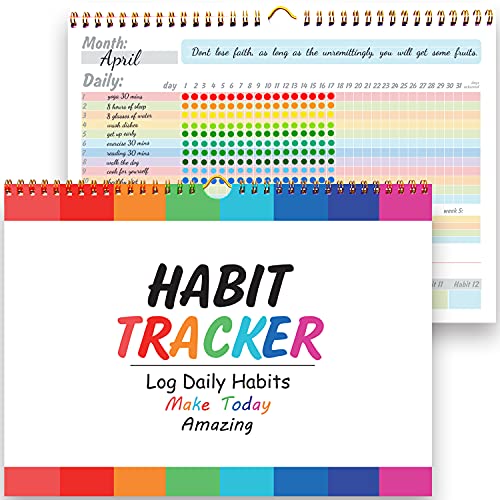
gisgfim Habit Tracker Calendar Motivational Habit Tracking Journal Inspirational Goal Planner with Spiral Binding Beautiful Weekly Undated 12+2 Month Journal
【Habit Tracker】With this Habit Tracker Calendar, you can establish and track your new habits to achieve self-improvement. Log…
As an affiliate, we earn on qualifying purchases.
As an affiliate, we earn on qualifying purchases.
Conclusion
If you ignore goal fatigue, you risk losing everything—your dreams, your passion, your very identity. It’s like running a marathon with a broken leg, pushing forward until you collapse in a heap of regret. But recognizing it early can save you from the abyss. Don’t let exhaustion steal your future. Stay aware, stay balanced, and above all, protect your fire. Because if you burn out now, you’ll never reignite the flames of your true potential.

Goal Planning Notepad – A5 Goal Setting Journal For Project Action Plan,Task Management, Personal Development & Track Goals. Productivity Notepad For Daily Work & School – 54 Sheets
GOAL PLANNING NOTEPAD – The Goal setting notebook features a highly effective template that will help you to…
As an affiliate, we earn on qualifying purchases.
As an affiliate, we earn on qualifying purchases.

Allura & Arcia 52 Stress Less & Self Care Cards – Mindfulness & Meditation Exercises – Anxiety Relief & Relaxation
52 EASY EXERCISES FOR EVERYONE: This unique Self Care Deck contains 52 extremely effective exercises for mindfulness, meditation,…
As an affiliate, we earn on qualifying purchases.
As an affiliate, we earn on qualifying purchases.