
You can boost your habit formation by using the Premack Principle, which pairs less preferred tasks with activities you enjoy. For example, reward your workout with listening to favorite music or a special treat afterward. This approach creates natural incentives and makes routines more appealing, increasing your motivation to stick with them long-term. Keep exploring how to combine activities effectively, and you’ll discover even more ways to make habits easier to build.
Key Takeaways
- The Premack Principle uses preferred activities as rewards to reinforce less desirable behaviors, boosting motivation for habit formation.
- Pairing enjoyable activities with routine tasks creates positive associations, making habits more sustainable over time.
- Incorporating small rewards like music or social breaks leverages intrinsic motivation, encouraging consistent behavior change.
- Selecting rewards aligned with personal preferences enhances effectiveness and helps embed new habits naturally.
- Strategic use of reward systems fosters long-term motivation, reducing effort needed to maintain habits and promoting lasting change.

Reward systems are essential tools for shaping behavior, and the Premack Principle offers a simple yet powerful way to understand how they work. When you’re trying to develop new habits, leveraging this principle can considerably boost your motivation strategies and make habit formation more effective. Essentially, the Premack Principle states that more preferred activities can serve as rewards for less preferred ones. This means that if you enjoy a particular activity, you can use it to motivate yourself to complete tasks you find less appealing, creating a natural incentive for behavior change.
Reward systems use preferred activities as incentives to motivate less appealing tasks.
Imagine you want to establish a daily exercise routine. Instead of viewing workouts as a chore, you can pair them with something you genuinely enjoy, like listening to your favorite music afterward. Once you’ve completed your workout, you reward yourself with that preferred activity, reinforcing the habit through positive association. Over time, this pairing strengthens your motivation to stick with the routine, making habit formation smoother and more sustainable. The key is to identify your motivation strategies—what activities you value most—and use those as incentives to promote desired behaviors.
This approach taps into your intrinsic motivation, making the process of forming new habits feel less like a chore and more like a series of rewarding experiences. For example, if you’re trying to read more, you might allow yourself a small treat after finishing a chapter—like a cup of coffee or a short break to browse social media. As you consistently associate the less appealing activity (reading) with a rewarding one, your brain begins to see the habit as something worthwhile, increasing your likelihood of maintaining it over the long term. Additionally, using motivational strategies that are aligned with your preferences can enhance the effectiveness of this approach.
Using the Premack Principle for habit formation isn’t just about immediate rewards; it’s about creating a sustainable cycle of motivation. The more you reinforce positive behaviors with activities you enjoy, the more ingrained they become in your routine. Over time, these habits require less conscious effort because they’re linked with pleasurable experiences, turning initially challenging tasks into routine parts of your day. The secret lies in carefully selecting your motivation strategies—those activities that genuinely bring you joy—and using them as leverage to develop new, lasting habits.

bmani Ear Buds Wireless Earbuds Bluetooth Headphones with 80H Playtime LED Display Case, Over-Ear Hook with Mic, Stereo Sound, Easy Button Controls, Sports Earphones for Running Workout Gym Black
- Extended Playtime: Up to 80 hours with charging case
- LED Display Case: Shows case and earbud charging status
- Long Battery Life: 8 hours per earbud on a single charge
As an affiliate, we earn on qualifying purchases.
As an affiliate, we earn on qualifying purchases.
Frequently Asked Questions
How Do Reward Systems Influence Long-Term Behavior Change?
Reward systems influence your long-term behavior change by strengthening habit formation and fostering intrinsic motivation. When you reward yourself for small wins, you create positive associations that encourage consistency. Over time, these rewards help develop habits that become ingrained, reducing reliance on external motivators. By gradually shifting focus to intrinsic motivation, you’re more likely to maintain new behaviors naturally, making lasting change easier and more sustainable.
Can the Premack Principle Be Applied to Children With Special Needs?
Think of the Premack Principle as a bridge connecting your child’s interests to desired behaviors. You can absolutely apply it to children with special needs through individualized strategies and adaptive techniques. By tailoring rewards based on their preferences and abilities, you turn motivation into a powerful tool, helping them build new habits step by step. This personalized approach transforms challenges into opportunities for growth and success.
What Are Common Mistakes When Implementing Reward Systems?
You might over-reward behaviors or apply rewards inconsistently, which can undermine their effectiveness. Avoid giving rewards too frequently or for minor actions, as this can reduce motivation over time. Make certain you apply reward systems consistently so your child understands expectations. By focusing on meaningful reinforcement and maintaining consistency, you help foster genuine habit formation and avoid common mistakes that hinder progress.
How Does Intrinsic Motivation Interact With Extrinsic Rewards?
Research shows that intrinsic motivation often diminishes when extrinsic rewards are introduced, highlighting a complex interaction in motivation dynamics. When you rely solely on extrinsic rewards, you risk overshadowing your internal drive for the activity, which may weaken long-term commitment. Instead, balancing intrinsic motivation with appropriate extrinsic rewards can enhance overall motivation, fostering sustainable habits. Recognizing this interaction helps you design effective strategies that sustain your engagement over time.
Are There Cultural Differences in the Effectiveness of Reward Systems?
Yes, there are cultural differences in how effective reward systems are. You might notice that in some cultures, reward perception aligns with cultural norms, making rewards more motivating, while in others, extrinsic rewards may be less effective or even counterproductive. Your approach should consider local values and practices, tailoring reward systems to fit the cultural context for better motivation and habit formation.

Gym Workout Fitness Music Perfect Motivational Playlist
As an affiliate, we earn on qualifying purchases.
As an affiliate, we earn on qualifying purchases.
Conclusion
By understanding how reward systems and the Premack principle work together, you can effectively motivate yourself to build new habits. It’s like turning your favorite activities into rewards for less enjoyable tasks, making progress feel more natural. Some argue this approach is just a clever trick, but countless success stories show it genuinely helps change behavior. So, give it a try—your motivation might just skyrocket when you pair effort with the activities you love most.
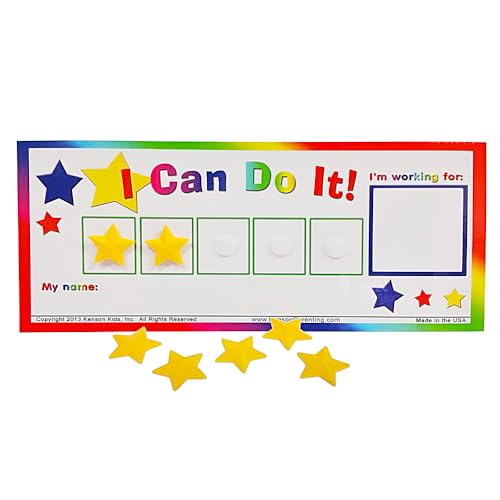
Kenson Kids “I Can Do It!” Token Board. Colorful Magnetic Rewards Chart with Positive-Reinforcement Stars and Customizable Goal Box. Great for Ages 3-10. Measures 5-Inches by 11-Inches
- Promotes Positive Habits: Encourages good behavior through rewards
- Focuses on Specific Tasks: Customizable for various goals and behaviors
- Suitable for All Goals: Tracks short-term and long-term achievements
As an affiliate, we earn on qualifying purchases.
As an affiliate, we earn on qualifying purchases.