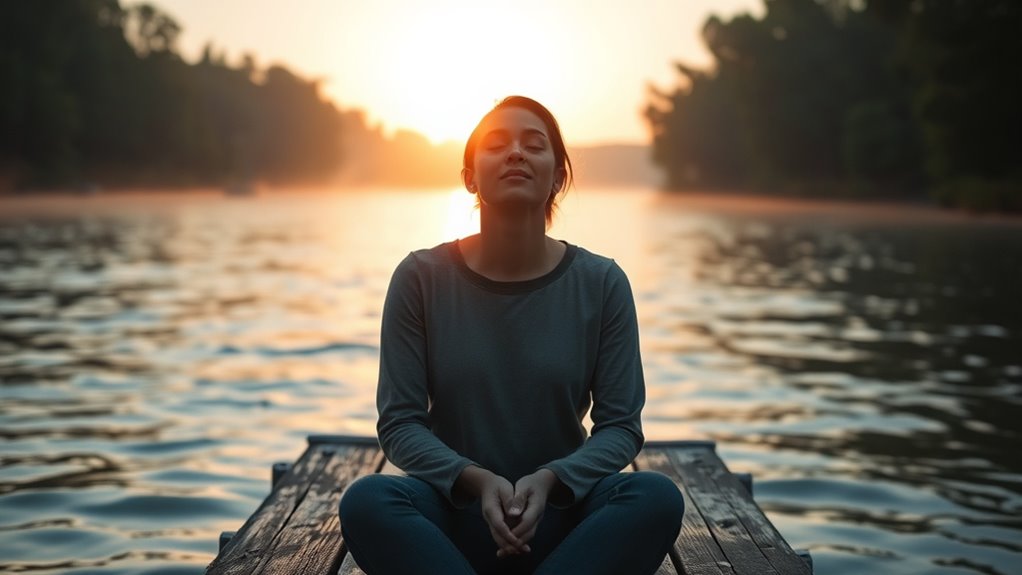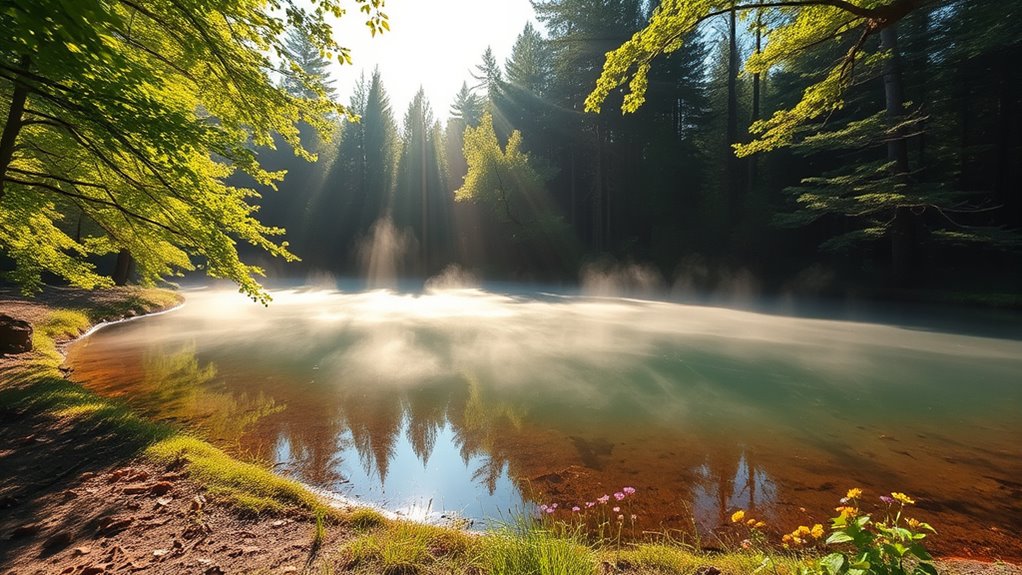

Guided imagery helps you reduce anxiety by vividly imagining peaceful scenes, allowing your mind to shift away from stressful thoughts. By using visualization along with deep, calming breaths, you can create a mental retreat that promotes relaxation and mental clarity. This technique encourages focusing on sensory details like sights and sounds, grounding you in the present moment. Continuing will reveal more ways to harness guided imagery for lasting calm and stress relief.
Key Takeaways
- Guided imagery uses vivid mental images to promote relaxation and reduce anxiety.
- Combining visualization with deep breathing enhances calming effects and focus.
- Mindfulness exercises help maintain present-moment awareness during imagery practice.
- Visualizing peaceful scenes like nature settings can lower stress and soothe the mind.
- Regular practice builds resilience, making it easier to access calm during stressful situations.

Guided imagery is a powerful relaxation technique that helps you harness your imagination to reduce stress and promote mental clarity. When you engage in this practice, you create vivid mental pictures that transport you away from daily worries, allowing your mind and body to find calm. To enhance this experience, combining guided imagery with breathing techniques can be especially effective. Deep, slow breaths help you anchor your focus, making it easier to visualize peaceful scenes and maintain a sense of relaxation. As you breathe in, imagine filling your lungs with calmness; as you breathe out, release tension and negative thoughts. This simple yet powerful breathing exercise amplifies the calming effects of your mental imagery, helping you stay centered and present. Incorporating mindfulness exercises further prepares your mind for visualization by fostering a non-judgmental awareness of your thoughts and sensations. By cultivating a non-judgmental awareness of your thoughts and sensations, you create a receptive mental space for visualization. Before beginning, take a moment to observe your current state—notice any physical discomfort, emotional tension, or racing thoughts without trying to change them. This mindfulness grounding helps you approach the imagery with openness and acceptance, making your experience more effective. As you progress through your visualization, continue to practice mindful breathing, paying close attention to the rhythm of your breath and sensations in your body. This continuous awareness reinforces your sense of control and presence, preventing your mind from wandering and ensuring that your focus remains on the calming scene you’ve chosen. Once you’re comfortable, start guiding yourself into a peaceful setting, such as a quiet beach or a lush forest. Imagine the sights, sounds, and smells in vivid detail. Feel the warmth of the sun or the coolness of the breeze, and listen to the gentle sounds of nature. As you immerse yourself in this scene, keep your breathing slow and steady, using it as an anchor to stay connected to the visualization. If your mind begins to drift toward stress or worries, gently redirect your attention back to your breath and the imagery. This mindful approach not only helps in reducing immediate anxiety but also trains your brain to access calm more readily in real life. Practicing guided imagery with integrated breathing techniques and mindfulness exercises can become a powerful tool for managing anxiety. It’s a way to give yourself a mental retreat whenever stress arises, providing clarity and tranquility amid chaos. Over time, this practice builds resilience, empowering you to face daily challenges with a calmer, more centered mindset. By consistently dedicating a few minutes to visualization and mindful breathing, you strengthen your ability to access peace, making relaxation a natural part of your routine.
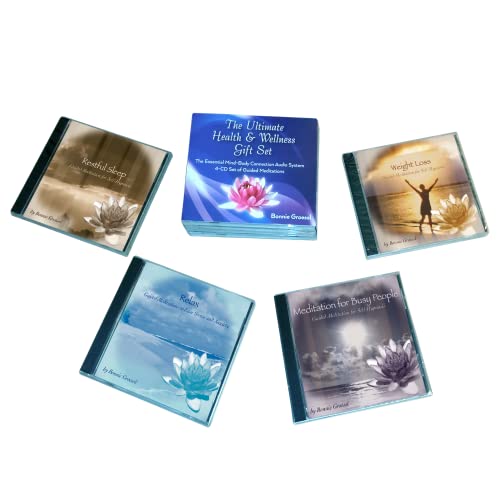
Ultimate Health and Wellness Gift Set: Premium 4-CD Set of Guided Meditations for Better Sleep, Stress Management, Relaxation and Weight Loss by Bonnie Groessl
GUIDED MEDITATION CD GIFT SET – This comprehensive set contains all of the popular guided meditations offered by…
As an affiliate, we earn on qualifying purchases.
As an affiliate, we earn on qualifying purchases.
Frequently Asked Questions
Can Guided Imagery Replace Medication for Anxiety?
Guided imagery can be a helpful part of your anxiety management, but it likely won’t replace medication entirely. It works best alongside mindfulness techniques and cognitive restructuring to address underlying thoughts and feelings. While visualizing calm can reduce immediate stress, medication often manages symptoms more effectively for severe anxiety. Consider combining these approaches with professional guidance to develop a personalized plan that suits your needs.
How Long Should Each Session of Guided Imagery Last?
Research shows that even brief relaxation sessions can markedly reduce anxiety. For guided imagery, aim for a session duration of 10 to 15 minutes. Consistency is key, so practice frequency matters—try to do it daily or several times a week. Starting with shorter sessions helps you stay engaged and gradually increase as you become more comfortable, ensuring maximum calming benefits without feeling overwhelmed.
Is Guided Imagery Suitable for Children or Only Adults?
Guided imagery is suitable for children when you use child-friendly techniques and age-appropriate imagery. Kids respond well to simple, colorful visuals and engaging stories that capture their imagination. Keep sessions short, around 5-10 minutes, and use gentle language to help them relax. Tailoring the imagery to their interests makes it effective, helping children manage anxiety and develop calming skills in a fun, accessible way.
Are There Any Risks or Side Effects Associated With Guided Imagery?
Guided imagery is generally safe, but you should be aware of potential physical risks like dizziness or nausea if you feel faint or uncomfortable. Emotional responses can also surface unexpectedly, sometimes causing temporary anxiety or distress. If you experience any adverse physical or emotional reactions, stop the practice and consult a mental health professional. Always tailor the imagery to your comfort level to minimize risks and maximize benefits.
How Often Should I Practice Guided Imagery for Best Results?
Like a trusty steed in medieval times, consistent practice is key. You should aim for daily consistency with guided imagery sessions, ideally lasting about 10 to 20 minutes. Regular practice helps your mind adapt and deepen relaxation. If you’re new, start with shorter sessions and gradually increase duration. Consistency over time maximizes benefits, reducing anxiety and promoting calmness, so make it a daily habit.
nature scene visualization meditation app
As an affiliate, we earn on qualifying purchases.
As an affiliate, we earn on qualifying purchases.
Conclusion
Guided imagery is a powerful tool to help you reduce anxiety and find calm. By visualizing peaceful scenes, you can train your mind to relax more easily. Did you know that studies show 85% of people experience reduced stress after just one session? So, next time anxiety feels overwhelming, take a deep breath, close your eyes, and imagine your favorite tranquil place. It’s a simple, effective way to bring peace into your busy day.

Mindsight 'Original Breathing Buddha' Guided Visual Meditation | 3 Modes to Slow Your Breathing & Calm Your Mind | Stress & Anxiety Relief | Wellness Gift | Adults, Kids, Classrooms | USB Rechargeable
🧠 WHAT IT'S FOR: Daily guided breathing to help calm & focus your mind during the day or…
As an affiliate, we earn on qualifying purchases.
As an affiliate, we earn on qualifying purchases.

Mindfulness Meditations for Anxiety: 100 Simple Practices to Find Peace Right Now
As an affiliate, we earn on qualifying purchases.
As an affiliate, we earn on qualifying purchases.