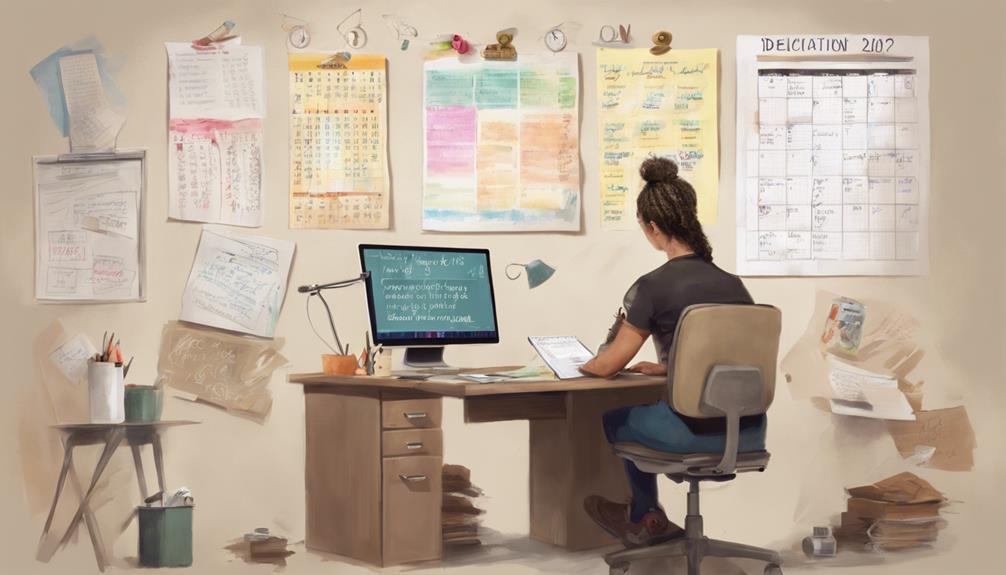

To stay on track with support, build accountability systems that combine clear progress tracking with peer motivation. Set measurable goals and use visual tools like dashboards to monitor achievements. Encourage your team to support each other through open communication and recognition, fostering a culture of shared responsibility. When accountability feels natural and shared, motivation soars and obstacles are tackled early. Keep exploring ways to strengthen these systems, and you’ll find more strategies to keep everyone aligned and committed.
Key Takeaways
- Establish clear, measurable goals and visual progress trackers to enhance transparency and motivate ongoing efforts.
- Foster peer support by encouraging open communication, recognition, and collaborative problem-solving within the team.
- Integrate regular check-ins and feedback sessions to reinforce accountability and address issues promptly.
- Cultivate a culture of shared responsibility, emphasizing collective success over individual blame.
- Use engaging tools like dashboards, milestones, and team celebrations to sustain motivation and track progress effectively.

Have you ever wondered how organizations guarantee they meet their goals and stay on track? The secret often lies in building effective accountability systems that keep everyone aligned and motivated. One powerful way to do this is by leveraging peer motivation. When team members encourage and challenge each other, it creates a culture of shared responsibility. Peer motivation fosters a sense of camaraderie and accountability, making individuals more committed to their contributions. As you implement these systems, it’s essential to encourage open communication and recognition among peers. When colleagues celebrate each other’s successes, it builds momentum and reinforces the importance of collective progress. Peer motivation also helps identify issues early. If someone is falling behind, supportive colleagues can step in to provide guidance or encouragement, preventing small setbacks from becoming major obstacles. This approach guarantees accountability is not just top-down but embedded within the team dynamics, making the process more organic and sustainable. Additionally, choosing names that resonate with the personality and culture of the team can enhance engagement and ownership.
Alongside peer motivation, progress tracking plays a pivotal role in maintaining accountability. By establishing clear, measurable goals, you give everyone a transparent view of where they stand. Progress tracking isn’t just about monitoring; it’s about creating a visual map of achievements and areas needing improvement. When you consistently track progress, you can quickly identify deviations from the plan and address them promptly. This real-time insight keeps you and your team focused and motivated to stay on course. Tools like dashboards, checklists, or regular progress meetings make tracking straightforward and engaging. They transform abstract goals into tangible milestones, making it easier to see how each effort contributes to the bigger picture. When people see their progress, it boosts motivation and reinforces a sense of ownership over their responsibilities. Plus, progress tracking allows for celebrating small wins, which fuels momentum and keeps everyone energized.
Building accountability systems that incorporate peer motivation and progress tracking creates a cycle of continuous engagement and improvement. As you foster an environment where team members motivate each other and keep a close eye on progress, you’ll notice increased commitment and better results. These systems help clarify expectations, provide ongoing feedback, and promote a culture where accountability isn’t feared but embraced. Ultimately, staying on track becomes a shared journey rather than a burden placed on individuals alone. By integrating these elements into your organization’s practices, you guarantee everyone understands their role, stays motivated, and contributes meaningfully toward common goals. This approach not only improves performance but also builds a resilient, collaborative culture that thrives on mutual support and clear progress. Recognizing the importance of dog names can also help strengthen team identity and cohesion in some organizational cultures.

Dry Erase Goal Tracking Thermometer 46"x12" – Corporate Sales Board with Progress Ribbon for Team Motivation
- Durable Ribbon Material: Dual-layer nylon with reinforced ends
- Smudge-Resistant Surface: Matte finish resists ghosting after 100+ erasures
- Large Display Size: 46"x12" team goal dashboard
As an affiliate, we earn on qualifying purchases.
As an affiliate, we earn on qualifying purchases.
Frequently Asked Questions
How Do Accountability Systems Adapt to Remote or Hybrid Work Environments?
You adapt accountability systems to remote or hybrid work by embracing virtual collaboration tools and integrating technology effectively. You set clear expectations, use digital check-ins, and track progress through shared platforms. Regular communication keeps everyone engaged, and leveraging technology guarantees transparency and accountability. By fostering open dialogue and utilizing the right tools, you can maintain productivity, stay on track, and support your team, regardless of where they work.
What Are Common Pitfalls When Implementing Accountability Systems?
You might find that setting clear expectations can sometimes lead to misunderstandings if overreach occurs, which is a common pitfall. Avoid assuming too much control or micromanaging, as it can diminish trust and motivation. Focus on transparent communication, ensuring everyone understands their roles without feeling constrained. When you balance accountability with autonomy, you foster a supportive environment that encourages growth while keeping everyone aligned.
How Can Accountability Systems Support Diverse Team Dynamics?
Accountability systems support diverse team dynamics by promoting inclusive practices that respect different perspectives and working styles. You can encourage open communication, set clear expectations, and tailor accountability measures to individual needs. This approach guarantees everyone feels valued and motivated, fostering trust and collaboration. By actively involving your team in shaping these systems, you create a supportive environment where all members are committed to shared goals and continuous improvement.
What Metrics Best Measure the Effectiveness of Accountability Systems?
You should focus on performance indicators like task completion rates, quality of work, and timeliness to measure effectiveness. Success metrics such as goal achievement, team engagement, and feedback responsiveness help you gauge how well the accountability system supports your team. Regularly tracking these metrics allows you to identify areas for improvement, ensuring your system keeps everyone aligned and accountable, ultimately boosting overall productivity and morale.
How Can Leaders Foster a Culture of Accountability Without Micromanaging?
Think of a gardener nurturing plants; you foster accountability by trust building and empowerment strategies, not micromanagement. You set clear expectations, provide resources, and celebrate progress, which encourages autonomy. For example, giving team members ownership over projects boosts motivation and responsibility. By trusting their expertise and offering support, you create a culture where accountability flourishes naturally, without the need to micromanage every move.

Self-Inking Bitmoji Avatar Stamp – Fun Mini-Me Encouragement Stamp for Adult Education Teachers – Ideal for Classroom Motivation, Reward, and Recognition – Long-Lasting Ink
- Easy Press and Print: Sharp marks with simple press
- Multiple Ink Colors: Choose from 11 vibrant colors
- High Stamp Capacity: Up to 10,000 uses per refill
As an affiliate, we earn on qualifying purchases.
As an affiliate, we earn on qualifying purchases.
Conclusion
So, congratulations—you’ve now got the secret sauce to building accountability systems that practically run themselves. Just remember, if your team suddenly becomes perfect overnight, it’s probably because you forgot to include a little chaos in your plan. But don’t worry, with a touch of support and a sprinkle of oversight, you’ll stay on track—until the next inevitable crisis. Because in the world of accountability, perfection is just a well-supported illusion.

Visual Project Management White Board, 36"x45"
- Erasable and Reusable Surface: Made of laminated 250 gsm construction paper
- Efficient Project Tracking: Manage up to 12 projects simultaneously
- Versatile Office Use: Ideal for product development and marketing
As an affiliate, we earn on qualifying purchases.
As an affiliate, we earn on qualifying purchases.

Computer Exposure Employee Time Tracking Software | Single PC, 100 Employees | Windows 7-11 | No Monthly Fees | Free Support
- Single PC Employee Tracking: Supports up to 100 employees on one PC
- No Monthly Fees: One-time purchase with no recurring costs
- Made in the USA: Locally produced for quality assurance
As an affiliate, we earn on qualifying purchases.
As an affiliate, we earn on qualifying purchases.