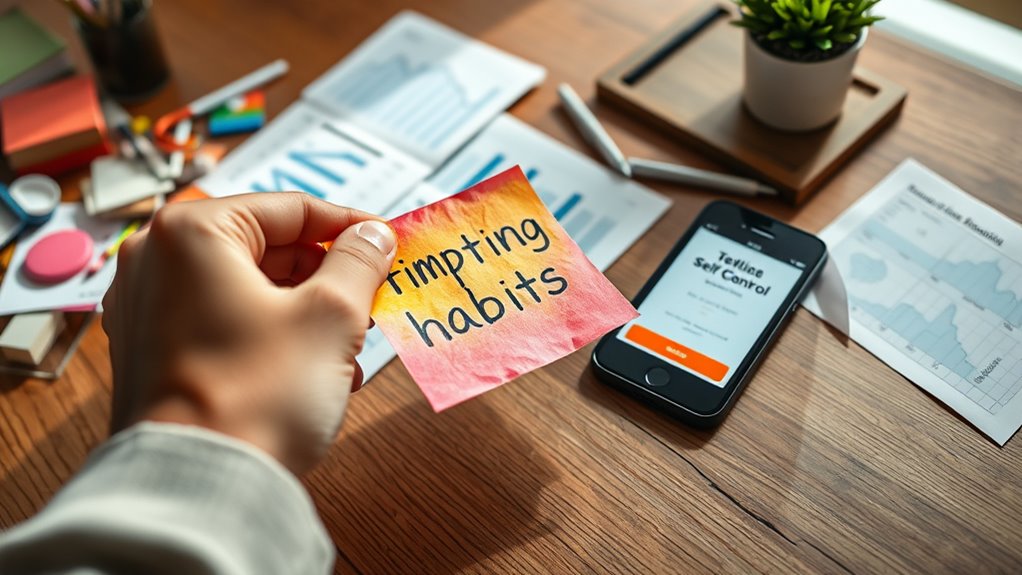

In 2025, mastering habit stacking means integrating new routines into your existing patterns effortlessly. By linking behaviors to familiar activities—like meditating after brushing your teeth—you make new habits feel natural and easy to stick with. Focus on small, manageable actions that align with your daily rhythm, and personalize triggers to suit your lifestyle. If you keep exploring, you’ll discover how to create seamless routines that support your goals and make lasting change second nature.
Key Takeaways
- Link new habits to established routines to minimize effort and increase automaticity.
- Use natural triggers, like brushing teeth or coffee breaks, to seamlessly integrate new behaviors.
- Personalize habit stacks based on individual preferences and daily patterns for better adherence.
- Start with simple, manageable actions to build confidence and gradually increase complexity over time.
- Regularly review and adapt routines to ensure they remain relevant and effectively support your goals.

As habits become more central to our daily routines, habit stacking in 2025 offers a powerful way to build lasting change with minimal effort. By linking new behaviors to existing routines, you can seamlessly integrate positive habits into your life without feeling overwhelmed. To do this effectively, understanding motivational strategies is key. When you connect a new habit to something you already do regularly, it taps into your natural routines, making the new action feel more automatic and less like a chore. For instance, if you want to start journaling, you might choose to do it immediately after brushing your teeth, leveraging your existing habit as a trigger. This approach boosts motivation because it reduces the mental resistance often associated with starting something new. Incorporating keto-friendly ingredients into your routines can also support your health goals without adding extra complexity to your day.
Habit customization plays an essential role here. Not every strategy works universally, so tailoring your habit stacks to fit your personal preferences and daily patterns ensures greater success. Maybe you’re more motivated in the morning, so you choose to do your new habit first thing, or perhaps you prefer evening routines. Customizing your habit stacks means selecting triggers and routines that naturally fit into your lifestyle, increasing the likelihood of consistency. You might also experiment with different combinations—pairing a quick meditation with your coffee break or stretching exercises with your commute—to discover what feels most intuitive and sustainable.
To maximize effectiveness, keep your habit stacks simple and manageable. Start with small, achievable actions that require minimal effort but create a sense of accomplishment. Over time, as these routines become ingrained, you can gradually increase their complexity or duration. Remember, the goal is to make your new habits feel like a natural extension of your existing behaviors, not a disruptive addition. Regularly review your stacks and make adjustments as needed—what works in one season might not in another. Flexibility guarantees your habit stacks remain relevant and effective, especially as your routines evolve.
In essence, habit stacking in 2025 is about smart integration. Use motivational strategies to stay inspired and habit customization to ensure your routines suit your life. When you approach this method with patience and a willingness to adapt, you’re setting yourself up for sustainable change that feels effortless and rewarding. The power lies in your ability to connect new actions with what you already do, transforming small steps into a continuous path of self-improvement.
Frequently Asked Questions
How Can Habit Stacking Improve Long-Term Behavior Change?
Habit stacking improves long-term behavior change by reinforcing your new routines through consistency building. When you link a new habit to an existing one, it becomes easier to remember and perform regularly. This method strengthens behavior reinforcement, making the new habit feel natural over time. By maintaining this consistency, you create lasting habits that stick, ultimately helping you achieve your long-term goals more effectively.
What Are Common Mistakes to Avoid When Implementing Habit Stacking?
While it’s tempting to dive right in, avoid common pitfalls like relying on inconsistent cues that can weaken trigger anticipation. Don’t overlook the importance of clear, consistent triggers; otherwise, your new habits may not stick. Also, avoid stacking too many routines at once, which can overwhelm you. Keep it simple and intentional, ensuring each cue reliably prompts your new behavior, fostering smoother integration over time.
How Do I Customize Habit Stacks for Unique Routines?
To customize habit stacks for your unique routines, start with a routine assessment to identify your natural patterns and preferences. Use personalization strategies by tailoring the stacking process to fit your daily life, making each habit relevant and achievable. Adjust the sequence or timing based on what works best for you, ensuring the new habit seamlessly integrates into your existing routines. This approach boosts consistency and long-term success.
Can Habit Stacking Be Effective for Emotional or Mental Health?
Yes, habit stacking can be powerful for emotional or mental health, like planting seeds of mindfulness practices that grow over time. By attaching calming routines to daily tasks, you reinforce emotional regulation effortlessly. Imagine each habit as a brick building resilience; stacking these routines creates a sturdy mental foundation. Consistent practice helps you manage stress, boost mood, and develop emotional strength—turning small actions into transformative change.
What Tools or Apps Support Successful Habit Stacking in 2025?
You can use apps like Habitica, Loop, or Streaks to support habit stacking in 2025. These tools excel at habit tracking and integrate seamlessly with other apps, making it easier to build new routines into your daily flow. By setting reminders and tracking progress, they keep you motivated. Leveraging app integrations helps you stay organized and consistent, empowering you to successfully embed new habits into your existing patterns.
Conclusion
By habit stacking in 2025, you can effortlessly integrate new routines into your daily life. Research shows that it takes an average of 66 days to form a new habit, so starting small and building gradually is key. When you connect new habits to existing patterns, you’re more likely to stick with them long-term. Embrace this mindset, and you’ll see meaningful changes over time—making your goals more achievable than ever before.