
Connect with us

Habit Building

Mastering Micro Habits: Why Tiny Actions Lead to Big Changes

Unlock the power of tiny actions and discover how mastering micro habits can transform your life in unexpected ways.

Published

on

small actions big results

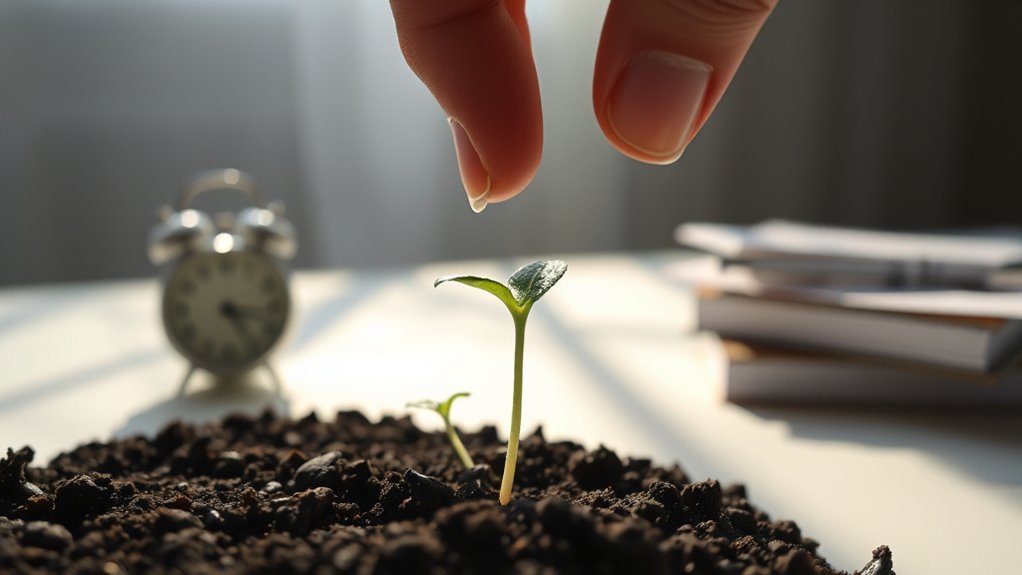
Mastering micro habits shows how tiny, consistent actions can lead to big, lasting changes over time. When you make small adjustments, they become easier to integrate into your daily routine, especially with habit stacking and environmental cues that reinforce your efforts effortlessly. These manageable steps boost your confidence and create momentum, making sustainable change more achievable. Keep going, and you’ll discover powerful strategies to turn simple habits into transformative results.

Key Takeaways

  • Tiny actions are easier to implement and sustain, leading to consistent progress over time.
  • Micro habits leverage habit stacking and environmental cues for effortless integration into daily routines.
  • Small changes benefit from the compounding effect, resulting in significant long-term improvements.
  • Focusing on manageable habits builds confidence and reduces resistance to behavior change.
  • Combining micro habits with environmental signals creates automatic, sustainable behaviors with minimal motivation needed.

small habits big results

Small changes can lead to big results, especially when you focus on mastering micro habits. These tiny actions might seem insignificant on their own, but when you build them into your daily routine, they can transform your life over time. One effective way to do this is through habit stacking—linking a new, small habit to an existing one. For example, if you already brush your teeth every morning, you can add a minute of stretching afterward. By attaching a new habit to a routine you already perform consistently, you create a seamless shift that’s easier to adopt. This method leverages the power of environmental cues, which are signals in your surroundings that trigger specific behaviors. If you want to develop a habit of drinking more water, place a glass on your desk or next to your bed. Seeing it regularly prompts you to drink without needing to remember intentionally. Incorporating versatile sizes like those used in hot rollers can also help in creating visual cues for styling routines. Environmental cues play an essential role in reinforcing micro habits. Your environment can serve as a constant reminder and motivator, making it easier to stick to your intentions. For instance, leaving your workout clothes where you can see them encourages you to exercise, or setting your phone reminder to stand up and stretch every hour prompts movement. The key is to make these cues obvious and accessible, so your environment guides your behavior naturally. When you pair habit stacking with well-placed environmental cues, you set the stage for effortless habit formation. It’s about creating a physical space that nudges you toward positive actions without relying solely on willpower. As you get used to these small changes, they start to feel automatic. Micro habits don’t demand much time or effort, which reduces resistance and makes consistency more achievable. Over days and weeks, these tiny actions compound, producing noticeable improvements. The beauty of mastering micro habits lies in their simplicity and sustainability. You don’t have to overhaul your entire routine overnight. Instead, focus on adding one small, manageable habit at a time, anchored by existing routines and reinforced by your environment. This approach builds confidence, making it easier to take on more significant changes over time.

Frequently Asked Questions

How Long Does It Take to See Results From Micro Habits?

Like planting a seed in spring, you’ll start noticing small signs of habit formation within a few days to weeks. Generally, you can measure progress in micro habits after about 21 to 30 days, but it varies per person. Consistency is key, and tracking your progress helps you see how these tiny actions accumulate over time, ultimately leading to big changes.

Can Micro Habits Replace Larger Goal-Setting Strategies?

Micro habits can complement larger goal-setting strategies by fostering behavior consistency through small, manageable actions. While they might not fully replace big goals, habit stacking helps you build momentum effortlessly, making progress feel natural. You stay engaged and motivated, and over time, these tiny actions create substantial change. So, yes, micro habits support and enhance your bigger goals, turning ambitious visions into achievable daily routines.

What Are Common Mistakes When Starting Micro Habits?

When starting micro habits, you often make mistakes like setting overambitious goals, which can overwhelm you and lead to burnout. You might also develop an inconsistent routine if you don’t plan for regular practice. To succeed, keep your goals small and manageable, and build a consistent routine. Focus on steady progress, and avoid pushing too hard too fast, so your habits become a natural part of your everyday life.

How Do Micro Habits Impact Long-Term Motivation?

Micro habits boost your long-term motivation by making consistency building easier and more sustainable. When you focus on tiny actions, you’re more likely to stick with them daily, which keeps your motivation high. Over time, these small wins create momentum, reinforcing your commitment and making it simpler to maintain progress. This steady approach helps you stay motivated, even during challenging periods, ensuring your habits become a lasting part of your life.

Advertisement

Are Micro Habits Suitable for Behavior Change in Children?

Yes, micro habits are suitable for behavior change in children because they support child development and habit formation. You can help kids build routines by encouraging small, consistent actions like tidying up toys or reading a page daily. These tiny steps foster discipline, confidence, and independence. When you focus on manageable habits, children learn to develop positive behaviors gradually, making lasting change more achievable and enjoyable for them.

Conclusion

By mastering micro habits, you hold the power to transform your life faster than you ever imagined—like turning a tiny stone into a mountain of success! Those small actions, when repeated daily, create a ripple effect so enormous it could make the universe stand still. So, start tiny, think big, and watch as your world shifts in ways you never thought possible. Remember, greatness begins with just one tiny step—so take it today and unleash your unstoppable potential!

Habit Building

Habit Stacking Recipes for Morning Energy

Create habit stacking recipes for morning energy that effortlessly boost your day—discover simple pairings that make waking up energized easier than ever.

Published

on

morning energy habit recipes

To create habit stacking recipes for morning energy, link small actions to your existing routines. For example, after brushing your teeth, do quick stretches or drink a glass of water. Prep your breakfast right after your nighttime routine or open blinds as soon as you wake up. These simple pairings make developing energizing habits easier and more automatic over time. Keep exploring, and you’ll discover even more ways to energize your mornings effortlessly.

Key Takeaways

  • Link a glass of water to your morning teeth brushing to hydrate and boost alertness instantly.
  • Combine a quick stretching routine with opening blinds to energize your body as you wake up.
  • Prepare a healthy breakfast or smoothie the night before, stacking it after your evening wind-down.
  • Attach a gratitude or affirmation practice to your morning routine to start with positive energy.
  • Incorporate light movement, like jumping jacks or yoga, immediately after waking to increase circulation and vitality.
build habits through stacking

Habit stacking recipes are a simple yet powerful way to build new routines by attaching them to existing habits. When you combine small, manageable actions with your current daily activities, you make it easier to create lasting change. If you want more morning energy, this approach can help you develop effective habits that stick. One way to start is by integrating meal prep ideas into your routine. For example, after you finish your nighttime routine, you can prepare your breakfast or pack your lunch for the next day. This not only saves you time in the morning but also guarantees you’re fueling your body properly, giving you the energy you need to start your day. By linking meal prep with your evening wind-down, you reinforce the habit without adding extra steps. Over time, this simple adjustment becomes second nature, and your mornings become less rushed and more energized.

Another key aspect to waking up refreshed is paying attention to sleep hygiene tips. Sleep is the foundation of morning energy, so you should prioritize habits that improve your sleep quality. You might stack a new habit like dimming the lights an hour before bed with your existing routine of brushing your teeth. This signals your body that it’s time to wind down, making it easier to fall asleep and wake up feeling more rested. Additionally, if you’re trying to establish a consistent wake-up time, you can link it to another morning activity, such as opening your blinds or doing light stretching. These small steps, when linked to habits you already do, can markedly boost your sleep hygiene and, consequently, your morning vitality. Incorporating knowledge about well-being tips can further optimize your routine for better energy and health.

You can also create a morning energy boost by stacking habits that involve movement or hydration. For instance, after you brush your teeth, you could do a quick set of stretches or drink a glass of water. It’s simple, quick, and integrates seamlessly into your existing routine. Over time, these small adjustments compound, helping you feel more alert and ready to tackle the day. The key is to choose habits that reinforce each other and are easy to perform consistently. Whether it’s meal prep ideas that keep your mornings organized or sleep hygiene tips that improve your rest, habit stacking makes it easier to develop routines that energize you each morning. With intentionality and consistency, these small changes can lead to big improvements in how you start your day.

Frequently Asked Questions

Can Habit Stacking Improve Overall Daily Productivity?

Habit stacking can definitely boost your overall daily productivity by reinforcing habit formation and improving energy management. When you link new habits to existing routines, you create seamless shifts that make behaviors stick. This streamlined approach reduces decision fatigue and helps you stay focused throughout the day. As a result, you’ll find it easier to build positive habits, maintain high energy levels, and accomplish more with less effort, leading to greater productivity.

How Long Does It Take to See Results From Habit Stacking?

Think of habit stacking as planting a seed; it takes a little time to see it bloom. Usually, you’ll notice small changes within a few weeks, but true results often appear after about 30 to 60 days. Staying consistent with your habit helps keep motivation alive and guarantees steady progress. Remember, patience and persistence are your best friends in this journey toward better routines and increased energy.

Advertisement

What if I Miss a Morning Habit—Should I Restart?

If you miss a morning habit, don’t stress. Missing opportunities to stick to your routine is normal, and you don’t need to restart everything. Instead, focus on habit flexibility—adjust your schedule or combine missed habits later in the day. Consistency matters, but setbacks happen. Keep moving forward, learn from missed opportunities, and remember that small adjustments help you stay on track without feeling overwhelmed.

Are Habit Stacking Recipes Suitable for All Age Groups?

You might wonder if habit stacking recipes work for all age groups. The answer is yes, but with some age appropriateness and customization tips. Younger kids may need simpler, short routines, while adults can handle more complex ones. Customize your stacking to suit your energy levels and preferences. Always consider safety and practicality, adjusting the recipes to fit your age and lifestyle for better success and consistency.

How Do I Customize Habit Stacks for Different Goals?

Imagine tailoring a suit versus buying one off the rack. Customization makes all the difference. To customize habit stacks for different goals, use personalization strategies that align routines with your unique needs. Break down goal-specific routines into manageable steps, then anchor new habits to existing ones. This way, you create a seamless, effective system that adapts to your evolving ambitions, ensuring each habit stack works perfectly for your personal success.

Conclusion

Now that you’ve activated these habit stacking recipes, imagine waking up tomorrow feeling unstoppable. The secret to sustained morning energy is within your reach—just one simple change away. But here’s the twist: what if the real transformation begins when you least expect it? Stay committed, and watch how these small shifts create a ripple effect, propelling you into a day filled with clarity and vigor. Your energized mornings are just the beginning—are you ready to discover what’s next?

Advertisement
Continue Reading

Habit Building

Implementation Intentions: The ‘If‑Then’ Strategy That Works

Fascinating and effective, implementation intentions use specific “if-then” plans to turn goals into habits—discover how they can transform your success.

Published

on

plan specific action steps

Implementation intentions use clear “if-then” plans to help you turn your goals into habits. By specifying exactly when and where you’ll act, you create mental cues that trigger automatic behaviors, reducing decision fatigue and increasing consistency. This strategy helps you anticipate obstacles and plan responses, making habits easier to stick to long-term. If you want to learn how to craft effective plans that boost your success, there’s more to discover below.

Key Takeaways

  • Implementation intentions use clear “if-then” statements to link specific cues with desired behaviors, facilitating automatic action.
  • They specify exactly when and where to perform tasks, reducing ambiguity and increasing the likelihood of follow-through.
  • Planning responses to potential obstacles helps maintain consistency and resilience in pursuing goals.
  • This strategy transforms vague intentions into concrete routines, fostering habit formation and long-term success.
  • Implementation intentions minimize reliance on motivation by creating mental cues that trigger automatic behaviors.
turn goals into actions

Implementation intentions are a powerful tool for turning goals into action. They help bridge the gap between your intentions and your actual behavior, making it easier to develop new habits and achieve what you set out to do. When you create an implementation intention, you’re essentially planning out specific responses to certain situations, which can markedly improve your ability to stick to your goals. This technique transforms vague resolutions into concrete actions, increasing the likelihood that you’ll follow through even when motivation wanes. By linking a particular circumstance with a planned behavior, you set yourself up for success in habit formation and goal achievement alike.

Implementation intentions turn goals into actions, bridging the gap between intentions and behavior for lasting habits.

When you use the “if-then” format—like “If I finish work, then I’ll go for a walk”—you create clear mental cues that trigger your desired behavior. This approach minimizes the need for ongoing decision-making, which often leads to procrastination or abandoning your goals. Instead, your brain automatically associates the cue with the action, making it more likely you’ll act in line with your intentions. Over time, these repeated responses can solidify into habits, turning deliberate efforts into automatic routines. This makes long-term goal achievement more sustainable because you’re not relying solely on willpower or motivation, both of which can fluctuate.

The beauty of implementation intentions lies in their ability to make your goals more approachable by reducing ambiguity about what you need to do. When you specify exactly when and where you’ll perform a task, you eliminate the mental clutter that often sabotages progress. For example, instead of vaguely intending to exercise more, you plan, “When I wake up at 7 am, I will do a 10-minute stretch.” This precise plan increases your chances of acting because it creates a clear mental association that your brain recognizes as a cue to begin the behavior. As a result, your actions become more consistent, reinforcing positive habits that support your larger objectives.

Furthermore, these intentions help you anticipate potential obstacles and plan responses in advance, boosting your resilience. If you know that mornings are busy, you might set an “if-then” plan like, “If I don’t have time in the morning, then I’ll do a quick workout during lunch.” By preparing for these scenarios, you reduce the chances of skipping your habits or goals altogether. Additionally, understanding the importance of projector specifications like contrast ratio and color accuracy can help you choose the right equipment to support your visual goals. Over time, these small, planned responses become ingrained, making goal achievement feel less like an uphill battle and more like a natural part of your routine. Ultimately, implementation intentions empower you to take control of your behavior, making habit formation easier and your long-term goals more attainable.

Frequently Asked Questions

How Long Does It Take to See Results From Implementation Intentions?

When you ask how long it takes to see results from implementation intentions, timing expectations vary, but many notice progress within days to a few weeks. You should track your progress consistently to stay motivated and identify patterns. Keep in mind, results depend on your goals and consistency. By setting clear if-then plans, you can accelerate your progress and better evaluate how well your strategies work over time.

Advertisement

Can Implementation Intentions Be Used for Complex or Long-Term Goals?

You can use implementation intentions for complex or long-term goals, but their effectiveness depends on your goal complexity and long-term efficacy. By creating specific ‘if-then’ plans, you’re more likely to stay consistent and motivated over time. While they work well for simpler tasks, for more intricate or distant objectives, you might need to break down goals into smaller steps and regularly adjust your plans to maintain progress and motivation.

Are There Any Common Mistakes to Avoid When Creating ‘If-Then’ Plans?

Did you know that nearly 40% of goal plans fail due to poor planning? When creating ‘if-then’ plans, avoid common mistakes like vague triggers or unrealistic actions. To prevent planning pitfalls, be specific, realistic, and mentally rehearse your plans. Mistake avoidance is key—don’t overlook details or assume motivation will stay high. Clear, actionable steps help guarantee your ‘if-then’ strategy leads to success.

How Do Implementation Intentions Differ From Traditional Goal-Setting Techniques?

You’re curious about how implementation intentions differ from traditional goal-setting techniques. Unlike standard goals, which focus on the outcome, implementation intentions use specific ‘if-then’ plans to trigger habit formation and boost motivation. This strategy makes actions automatic, helping you overcome obstacles and stick to your goals more effectively. By linking cues to behaviors, you create stronger motivational techniques that turn intentions into lasting habits.

Can Implementation Intentions Be Effective for Behavior Change in Children?

Imagine planting a seed in a child’s garden; with the right care, it blooms. Implementation intentions can boost child motivation by creating clear ‘if-then’ plans, making behavior change feel like a natural growth. When parents involve themselves actively, they help children connect actions with outcomes, guiding them gently. This strategy turns abstract goals into tangible steps, making behavior change more effective and sustainable for kids.

Conclusion

By setting clear “if-then” plans, you turn your intentions into action. Imagine your goals as a garden: without a plan, weeds grow unchecked, but with a well-placed stake, your plants thrive. Research shows that implementation intentions can boost goal achievement by up to 50%. So, when you craft specific cues and responses, you’re planting the seeds for success—guiding your behavior like a gardener tending to a flourishing landscape.

Advertisement
Continue Reading

Habit Building

From Cue to Craving: The Neuroscience of Habit Crystallization

Diving into the neuroscience of habits reveals how cues trigger cravings and neural pathways strengthen, but understanding how to rewire them offers hope for change.

Published

on

neural pathways of habit

When you encounter a cue, your brain triggers a dopamine response that creates a craving, reinforcing the behavior associated with that cue. Repeated actions strengthen neural pathways through plasticity, making habits more automatic over time. Dopamine signals reward, so your brain links the cue, craving, and reward cycle. As these neural connections grow stronger, habits crystallize. If you want to understand how this cycle can be changed, there’s more to uncover about the brain’s remarkable ability to rewire itself.

Key Takeaways

  • Cues trigger neural pathways that activate dopamine release, initiating the craving process.
  • Dopamine reinforces behaviors associated with cues, strengthening habit-related neural circuits.
  • Repeated exposure to cues and rewards solidifies neural connections, leading to habit crystallization.
  • Cravings emerge as dopamine signals anticipate the reward, making behaviors more automatic.
  • Understanding cue-dopamine-craving cycles offers strategies for disrupting or establishing habits.
neural plasticity reinforces habits

Have you ever wondered how certain habits become so ingrained they feel almost automatic? The answer lies deep within your brain’s wiring, specifically in the way your dopamine pathways and neural plasticity work together to shape your behaviors. When you perform an action repeatedly, your brain begins to strengthen the neural connections associated with that behavior. This process, known as neural plasticity, allows your brain to adapt and reorganize itself in response to your experiences. Over time, these strengthened pathways make the behavior easier to perform without conscious effort, eventually becoming a habit.

Dopamine pathways play a pivotal role in this process. When you engage in a behavior that leads to a rewarding outcome — like eating delicious food, checking social media, or smoking — your brain releases dopamine, a neurotransmitter associated with pleasure and motivation. This surge of dopamine acts as a kind of reward signal, reinforcing the behavior and encouraging you to repeat it. The more you perform the activity, the more your brain associates it with positive feelings, strengthening the neural connections involved. Over time, these connections become deeply embedded, making the response almost automatic. Additionally, neural plasticity enables the brain to rewire itself, facilitating both the formation and the alteration of habits over time.

Understanding this process is key to both building good habits and breaking bad ones. When you want to establish a new routine, you need to repeatedly activate the relevant neural pathways, encouraging neural plasticity to support the change. Conversely, breaking a habit involves disrupting the dopamine reward cycle and creating new pathways that override the old ones. Recognizing how dopamine pathways reinforce habits through reward and how neural plasticity allows these patterns to become deeply embedded gives you insight into how habits form and, importantly, how they can be altered. Your brain’s remarkable ability to rewire itself offers hope — change is always possible when you understand the underlying neuroscience.

Frequently Asked Questions

How Long Does It Typically Take to Form a New Habit?

You can typically form a new habit in about 21 to 66 days, though it varies based on your consistency and the habit loop involved. Your brain’s plasticity allows it to rewire itself as you repeat behaviors, strengthening neural pathways. The more you stick to the routine, the faster your brain adapts, making the new habit more automatic over time. Stay consistent, and your habit will crystallize sooner.

Can Habits Be Completely Unlearned or Just Replaced?

Think of habits as old friends—you can’t just erase them, but you can change the story. While complete unlearning is tough, you can achieve habit suppression by replacing subconscious triggers with healthier responses. Like pruning a tree, you trim the old habits and cultivate new ones. This process rewires your brain, making the old habits fade, yet the potential for them to resurface always exists, urging you to stay mindful.

Advertisement

What Role Does Genetics Play in Habit Formation?

Genetics influence how easily you form habits through genetic predispositions that affect your brain chemistry and behavior patterns. Your gene-environment interactions also play a role, meaning your environment can amplify or mitigate genetic tendencies. So, while some habits may be more ingrained due to your genetics, your surroundings and experiences interact with these predispositions, shaping how habits develop and how resistant they are to change.

How Do Environmental Changes Impact Existing Habits?

Environmental changes can profoundly impact your existing habits by altering environmental cues and contextual triggers. When your surroundings change, the familiar cues that prompt your habits may fade or shift, making it harder to follow through. Conversely, new cues might trigger different behaviors. By recognizing how environmental cues influence you, you can modify your environment to support or disrupt specific habits, helping you gain better control over your behaviors.

Are Certain Habits More Resistant to Change Than Others?

Did you know that about 45% of daily behaviors are habits? Some habits are more resistant to change due to strong resistance mechanisms and high habit persistence. You might find breaking certain routines difficult because your brain has wired these behaviors deeply, making them stick longer. These deeply ingrained habits resist change, requiring more effort and targeted strategies to modify than newer or less established ones.

Conclusion

As you understand the neuroscience behind habit crystallization, you’ll see how small cues can shape big behaviors. Did you know that about 40% of our daily actions are habits, performed almost automatically? Recognizing this, you can start to reshape your routines consciously. By understanding the brain’s role, you gain the power to break unwanted habits or forge new ones more effectively. Take control, and turn your cravings into positive, lasting change.

Advertisement
Continue Reading

Trending