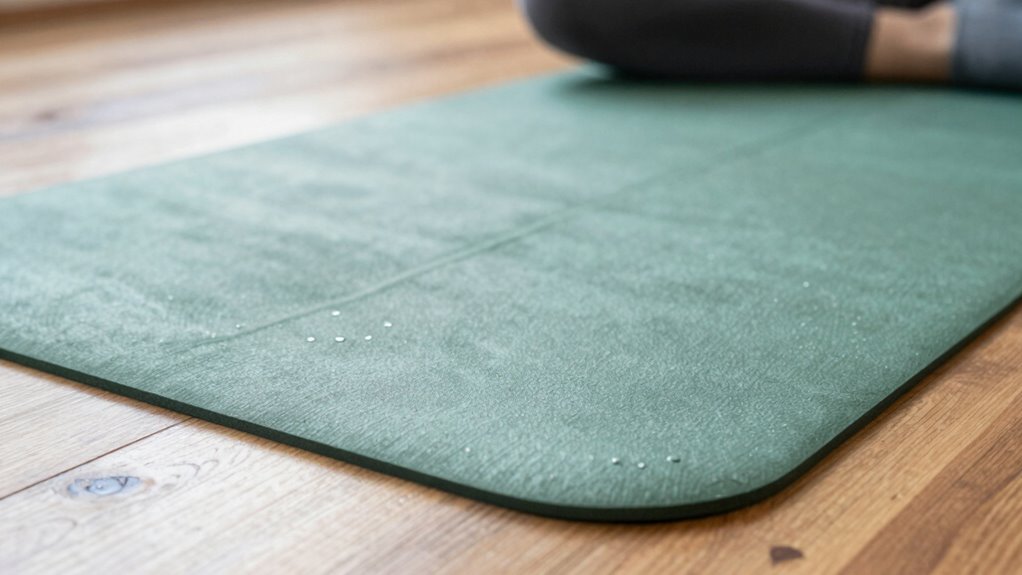

A good yoga mat supports your consistency by providing slip resistance, comfort, and stability, so you feel confident and safe during every pose. Its supportive cushioning helps protect your joints and encourages longer, more focused practice. Eco-friendly materials keep you aligned with your values, while durability guarantees your mat lasts through your routine. With reliable support, you’ll find it easier to stick to your practice and deepen your connection. If you keep exploring, you’ll discover even more ways a quality mat can boost your progress.

Turn your quiet moments into listening time
- Thousands of audiobooks, podcasts and originals
- Listen on your phone, tablet or Echo — also offline
- Cancel anytime
Key Takeaways
- Provides stable footing and slip resistance to build confidence and reduce distractions during practice.
- Offers consistent cushioning and support, encouraging longer, more comfortable sessions.
- Promotes routine habits through dependable comfort and durability over time.
- Uses eco-friendly, durable materials to sustain regular use and environmental commitment.
- Enhances focus and mindfulness by creating a secure, distraction-free practice environment.
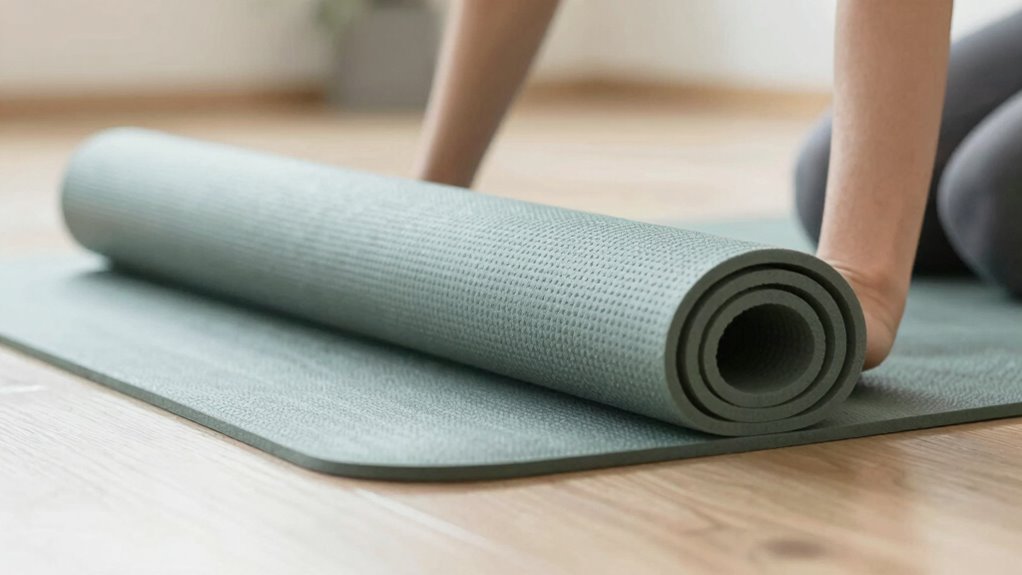
Are you struggling to maintain stability during your yoga practice? It’s frustrating when your mat doesn’t support your movements or slips beneath you, making it harder to focus on your breath and posture. A good yoga mat isn’t just about performance; it’s about creating a reliable foundation that helps you stay consistent over time. When you choose a mat made from eco friendly materials, you’re investing in a product that’s both sustainable and designed to support your practice in the long run. These materials often provide a natural grip, reducing slips and helping you feel more secure with each pose. Plus, eco friendly options tend to be free from harsh chemicals, which can sometimes cause skin irritation or discomfort, further supporting your ability to practice regularly without distraction. A supportive yoga mat also encourages biodiversity by promoting the use of environmentally responsible materials, contributing to the health of our planet. Selecting a mat with sustainable manufacturing practices can further enhance its positive impact on the environment. Incorporating sustainable materials can also improve the overall durability and eco-friendliness of your mat, making it a better choice for long-term use. Additionally, choosing a mat with appropriate thickness ensures optimal support for your joints and stability during challenging poses. Cushioning durability plays an essential role in how well your yoga mat supports your consistency. A durable mat offers consistent cushioning that absorbs impact and provides comfort no matter how many times you roll out. This means less fatigue and strain on your joints, allowing you to hold poses longer and with greater ease. When your mat maintains its cushioning over time, you don’t need to worry about replacing it frequently, which helps you build a steady routine. Investing in a quality material can also extend the lifespan of your mat, ensuring it remains dependable through your progress. Comfort and support are crucial for forming good habits, especially if you’re practicing daily or multiple times a week. A resilient mat that retains its cushioning ensures that your focus remains on your practice, not on discomfort or slipping hazards. Beyond just cushioning, durability also refers to how well your mat withstands wear and tear. A high-quality yoga mat doesn’t lose its grip or cushioning after a few sessions; instead, it remains dependable through your progress. This consistency encourages you to push yourself and try new poses without concern that your equipment will fail. When your mat provides stable footing and comfort, it becomes a tool that promotes discipline and routine, rather than an obstacle. Over time, this consistency helps you deepen your practice, stay motivated, and develop a stronger mind-body connection. Ultimately, a supportive yoga mat isn’t just about looking good or performing well—it’s about creating a dependable environment where your practice can flourish day after day.
eco-friendly yoga mat with slip resistance
As an affiliate, we earn on qualifying purchases.
As an affiliate, we earn on qualifying purchases.
Frequently Asked Questions
How Often Should I Replace My Yoga Mat?
You should replace your yoga mat every 6 to 12 months, depending on material durability and scent retention. If your mat shows signs of significant wear, tears, or loss of grip, it’s time for a new one. Over time, the material may degrade, affecting comfort and safety, and scent retention can become an issue. Regularly inspect your mat to guarantee it continues supporting your practice effectively.
Can a Yoga Mat Improve My Balance Over Time?
Think of your yoga mat as a steady ground beneath your feet, gradually helping your balance bloom. With consistent practice, alignment techniques and breathing exercises become internal landmarks, sharpening your focus. Over time, your stability deepens, and your balance becomes more intuitive. A good mat provides the foundation that nurtures this growth, enabling you to explore advanced poses with greater confidence and control, transforming shaky beginnings into solid, graceful steadiness.
Is a Thicker Mat Better for Beginners?
A thicker yoga mat can be better for beginners because it offers more padding comfort, helping you feel more at ease during poses. This extra cushioning can improve your balance stability by reducing pressure on your joints and providing a softer surface to stand on. If you’re new to yoga, a thicker mat can boost your confidence and make practicing more enjoyable, encouraging you to stay consistent with your routine.
How Do I Clean and Maintain My Yoga Mat?
To keep your yoga mat clean and durable, follow simple cleaning routines like wiping it down with a damp cloth after each session and using a gentle, mat-specific cleaner weekly. Avoid harsh chemicals to maintain the material’s durability. Air your mat out regularly to prevent odors. Proper maintenance ensures your mat stays in good shape, providing a consistent and safe surface for your practice.
What Eco-Friendly Options Are Available for Yoga Mats?
You can choose eco-friendly yoga mats made from sustainable materials like natural rubber, cork, or jute, which are biodegradable and renewable. Look for brands that prioritize eco-conscious manufacturing practices, reducing environmental impact. These options not only support your practice but also align with your values of sustainability. By selecting eco-friendly mats, you’re contributing to a healthier planet while enjoying a durable, non-slip surface for your yoga sessions.
cushioned durable yoga mat for stability
As an affiliate, we earn on qualifying purchases.
As an affiliate, we earn on qualifying purchases.
Conclusion
Choosing the right yoga mat isn’t just about performance; it’s about creating a reliable foundation. Think of it like building a house—you need a solid base to stand tall and feel secure. When your mat supports you with grip and comfort, consistency becomes easier, just like a sturdy foundation keeps a house steady through storms. Invest in your mat, and it’ll support your practice—helping you grow stronger and more confident, step by step.
non-slip yoga mat for joint support
As an affiliate, we earn on qualifying purchases.
As an affiliate, we earn on qualifying purchases.
thick eco yoga mat for beginners
As an affiliate, we earn on qualifying purchases.
As an affiliate, we earn on qualifying purchases.
Halloween Picks
halloween
As an affiliate, we earn on qualifying purchases.