Connect with us

Mindfulness & Well‑Being

The Science of Self‑Compassion and How to Practice It

With the science revealing how self-compassion rewires your brain, discover practical ways to cultivate resilience and transform your emotional well-being.

Published

on

practicing self compassion techniques

Self-compassion rewires your brain to handle stress and setbacks better. It activates areas like the prefrontal cortex, improving emotional regulation, and decreases activity in stress-related regions like the amygdala. To practice, notice your inner dialogue, challenge harsh thoughts, and incorporate mindfulness or meditation. These habits strengthen neural pathways over time, fostering resilience and a healthier mindset. Keep exploring, and you’ll discover simple ways to build lasting self-compassion that transforms your emotional responses.

Key Takeaways

  • Self-compassion activates brain regions like the prefrontal cortex, promoting emotional regulation and resilience.
  • Practicing self-kindness reduces activity in stress-related areas, lowering emotional reactivity.
  • Mindfulness and meditation strengthen neural pathways involved in emotional regulation and self-compassion.
  • Challenging negative self-talk with compassionate thoughts rewires the brain for healthier responses.
  • Consistent self-compassion practices create lasting neural changes, fostering mental stability and faster recovery from setbacks.
self compassion rewires brain

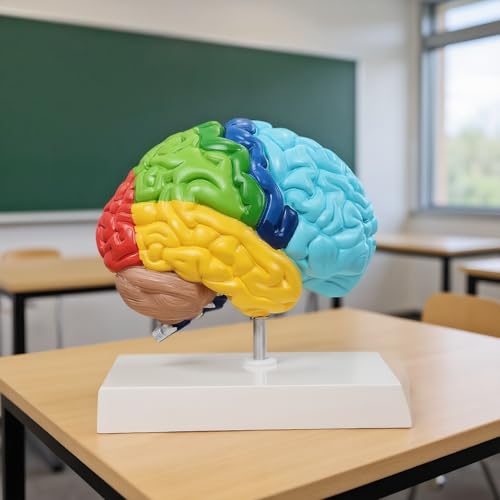
Have you ever wondered why being kind to yourself can make such a difference? The answer lies in recent neuroscience insights that reveal how self-compassion influences your brain and your emotional regulation. When you treat yourself with kindness, your brain responds in ways that promote emotional resilience, helping you manage stress and setbacks more effectively. This isn’t just feel-good advice; it’s backed by science. Studies show that self-compassion activates areas in the brain associated with emotional regulation, such as the prefrontal cortex, which helps you process emotions calmly and rationally. Conversely, harsh self-criticism tends to activate the amygdala, the brain’s threat detection center, heightening feelings of anxiety and emotional distress. By cultivating self-compassion, you’re fundamentally rewiring your brain to respond more adaptively to life’s challenges.

Understanding these neuroscience insights makes it clear that self-compassion isn’t just about being gentle—it’s about actively reshaping how your brain handles emotional turmoil. When you extend kindness to yourself, you decrease activity in regions linked to stress and negative self-talk, which lowers your overall emotional reactivity. This improved emotional regulation means you’re less likely to spiral into feelings of shame or hopelessness when things go wrong. Instead, you develop a more balanced perspective that allows you to acknowledge mistakes without becoming overwhelmed by them. This process creates a more stable emotional foundation, giving you the tools to recover faster from setbacks and maintain a healthier mental state. Additionally, engaging in practices like mindfulness and meditation can strengthen the neural pathways involved in emotional regulation, further supporting your capacity for self-compassion.

Practicing self-compassion involves intentional steps that tap into these neuroscience insights. Start by noticing your inner dialogue—are you treating yourself with the same kindness you’d offer a friend? When negative thoughts arise, challenge them with a more compassionate perspective. For example, instead of thinking, “I’m a failure,” remind yourself, “Everyone makes mistakes; I can learn from this.” Breathing exercises, mindfulness, and meditation also strengthen the neural pathways involved in emotional regulation, making it easier to respond with kindness rather than criticism. Over time, these practices help you create new habits of self-compassion, reinforcing the neural circuits that support emotional resilience.

Frequently Asked Questions

Can Self-Compassion Improve Mental Health Long-Term?

Self-compassion benefits your mental health by helping you cope better with stress and setbacks. When you practice self-kindness instead of self-criticism, you build resilience and reduce anxiety and depression over time. This positive mindset encourages healthier thinking patterns and emotional well-being, leading to long-term improvements. By consistently nurturing self-compassion, you create a foundation for sustained mental health benefits, making it easier to face life’s challenges with confidence and calmness.

How Does Self-Compassion Differ From Self-Esteem?

Your self-worth isn’t a fragile glass, easily shattered by failure, unlike self-esteem, which relies on external praise. Self-compassion is about practicing self-kindness and treating yourself like an old friend, offering internal validation. It’s a gentle, ongoing process. Self-esteem often depends on fleeting achievements, making it unstable. So, while self-esteem boosts your ego temporarily, self-compassion nurtures your inner resilience through genuine self-kindness.

Advertisement

Are There Cultural Differences in Practicing Self-Compassion?

You might notice that cultural norms and societal expectations influence how you practice self-compassion. In some cultures, showing vulnerability or self-kindness may be encouraged, making it easier for you to be gentle with yourself. In others, societal pressures to be perfect or self-critical can make self-compassion feel unfamiliar or challenging. Recognizing these differences helps you understand your own tendencies and find ways to nurture kindness toward yourself within your cultural context.

What Are Common Barriers to Developing Self-Compassion?

You might find it hard to develop self-compassion because your internal dialogue is often critical or negative. Emotional regulation also plays a role; if you struggle to manage intense feelings, it’s tough to treat yourself kindly. These barriers can make self-criticism feel automatic, preventing you from fostering kindness toward yourself. Recognizing these obstacles is the first step toward changing your mindset and building a more compassionate inner voice.

Can Self-Compassion Be Taught to Children Effectively?

Did you know that children with higher childhood empathy are more likely to develop self-compassion? Yes, self-compassion can be taught effectively through parenting strategies that promote understanding and kindness. By modeling empathy, encouraging emotional expression, and offering supportive feedback, you help children build a compassionate mindset. Your active involvement shapes their ability to treat themselves with kindness, fostering resilience and emotional well-being as they grow.

Conclusion

By embracing self-compassion, you reveal a path to inner peace, much like the lotus rising from muddy waters. Remember, the journey inward is where true strength blossoms. When you treat yourself with kindness, you nurture resilience and growth, echoing the ancient wisdom that compassion heals. So, be gentle with yourself, for in doing so, you awaken the potential to transform your struggles into wisdom—just as the dawn dispels night’s darkness.

Advertisement

Mindfulness & Well‑Being

Personalized Wellness: Tailoring Practices to Your Identity

Navigating personalized wellness means customizing your health journey to truly fit you, and discovering how to make it work can transform your life.

Published

on

customized health practices

Personalized wellness means customizing your health practices to fit your unique body, mindset, and lifestyle. Instead of generic routines, you focus on strategies that truly resonate with you, making it easier to stay committed. Mindfulness techniques like deep breathing or body scans can be tailored to your preferences, helping you manage stress effectively. Creating a calming environment further supports sustainable habits. Keep exploring to discover how personalized approaches can transform your wellness journey.

Key Takeaways

  • Personalization ensures wellness practices align with individual body types, goals, and lifestyles for more effective health outcomes.
  • Tailoring routines fosters greater adherence by considering personal preferences and routines.
  • Mindfulness techniques can be customized through preferred methods like guided or silent practices to suit individual comfort.
  • Creating calming environments enhances the effectiveness of personalized mindfulness and relaxation practices.
  • Recognizing individual differences enables the development of sustainable, meaningful wellness strategies.
personalized mindfulness wellness strategies

Have you ever wondered why one-size-fits-all health plans often fall short? The truth is, everyone’s body, mindset, and lifestyle are unique, so generic approaches rarely hit the mark. That’s where personalized wellness comes into play, helping you craft practices that genuinely suit your individual needs. Instead of following broad guidelines, you can focus on specific strategies like mindfulness techniques and nutrition customization that align with your goals and preferences. When you tailor your wellness routine, you’re more likely to stay committed and see meaningful results.

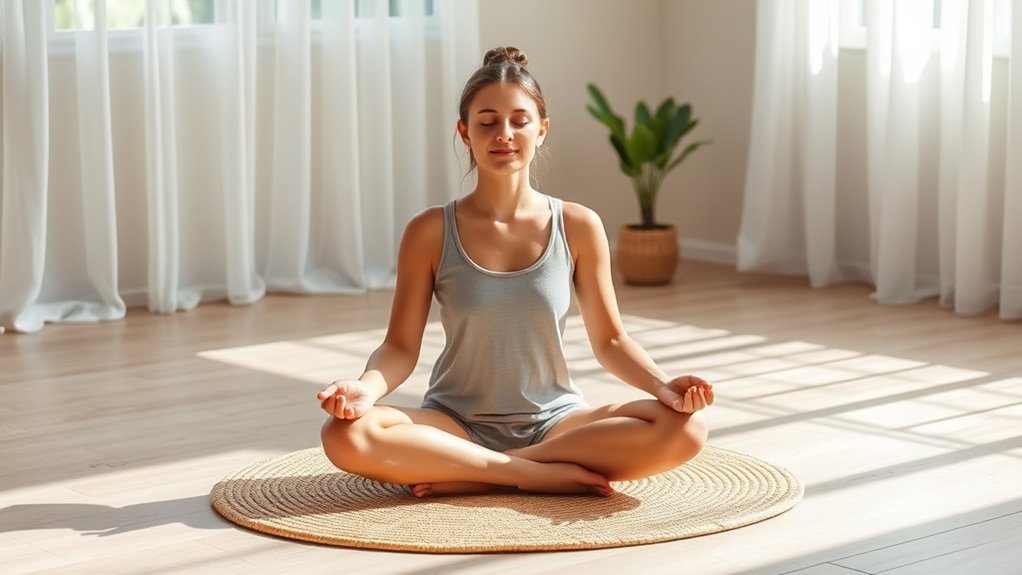
Mindfulness techniques are a great starting point for personalizing your health journey. They encourage you to become more aware of your thoughts, emotions, and physical sensations, fostering a deeper connection to your body. You might find that simple practices like deep breathing, body scans, or mindful meditation help reduce stress and improve mental clarity. The key is to experiment and discover what resonates with you. Maybe you prefer guided meditation apps, or perhaps silent breathing exercises work best when you’re alone. Incorporating mindfulness into your daily routine makes your wellness practice more sustainable because it’s rooted in your preferences rather than a generic prescription. Over time, this personalized approach can help you manage stress better, improve sleep, and enhance overall well-being. Additionally, understanding sound recording techniques can assist in creating a calming environment that supports relaxation and mindfulness practices at home.

Frequently Asked Questions

How Do Cultural Backgrounds Influence Personalized Wellness Practices?

Your cultural background shapes your personalized wellness practices by influencing your use of cultural rituals and traditional remedies. You might incorporate specific foods, teas, or massage techniques rooted in your heritage, which can boost your well-being. Your cultural beliefs also guide your approach to health, making certain practices more meaningful and effective for you. Embracing these traditions helps you create a wellness routine that truly resonates with your identity.

Can Personalized Wellness Methods Adapt Over Time?

You can definitely adapt personalized wellness methods over time, like changing your mind as seasons shift. As your needs evolve, you might incorporate new mindfulness techniques or dietary adjustments that better suit your current lifestyle. Keep an open mind and stay flexible, because wellness isn’t a one-size-fits-all journey. Regularly reassessing your practices helps you stay in tune with what works best for your body and mind at each stage.

What Role Does Gender Identity Play in Wellness Customization?

Your gender identity plays a vital role in wellness customization because it influences your gender expression and how you navigate social norms. When wellness practices align with your identity, they feel more authentic and supportive. Recognizing your unique gender expression helps tailor approaches that respect your preferences and experiences, leading to better mental and physical health. Embracing these aspects guarantees your wellness journey honors your true self.

Advertisement

How Do Genetic Factors Impact Personalized Wellness Plans?

Genetic factors substantially impact your personalized wellness plan by revealing your genetic predispositions to certain health conditions or nutrient needs. This allows you to tailor your diet, exercise, and lifestyle choices more effectively. Personalized medicine uses your genetic information to create targeted strategies that optimize your health. By understanding your unique genetic makeup, you can make informed decisions that enhance your overall well-being and prevent potential health issues before they arise.

Are There Specific Wellness Practices for Different Age Groups?

Like a tailored suit, wellness practices vary by age. For younger adults, focus on mindfulness meditation to reduce stress and improve focus, while incorporating nutritional timing to support energy levels. Middle-aged individuals benefit from strength training and heart-healthy diets, whereas seniors should prioritize gentle activities like stretching and balance exercises. Adjusting practices to your age guarantees essential health and vitality, making your wellness routine as unique as your life’s stage.

Conclusion

When you tailor wellness practices to your unique identity, you tap into a powerful way to enhance your overall well-being. It’s not just about following generic advice; it’s about honoring what works best for you. By listening to your body and understanding your needs, you create a sustainable routine that truly supports your health. So, trust the process, stay curious, and remember—personalized wellness is your key to feeling your best every day.

Continue Reading

Mindfulness & Well‑Being

Self‑Care Evolution: Transforming Routine Into Indulgence

Great self-care evolves into personalized indulgence, transforming daily routines—discover how this shift can redefine your well-being and inspire you to explore more.

Published

on

transforming routine into indulgence

Self-care has shifted from simple routines to personalized, indulgent experiences that prioritize your well-being. Now, you can incorporate mindfulness, wellness tech, and intentional acts that make daily habits meaningful and enjoyable. It’s about viewing self-care as an essential part of life rather than a chore, turning everyday moments into opportunities for relaxation and growth. To discover how this transformation can enhance your routine, explore what’s next.

Key Takeaways

  • Modern self-care emphasizes personalized, accessible practices like mindfulness and wellness tech over traditional chores.
  • Mindfulness techniques foster present-moment awareness, reducing stress and enhancing emotional resilience.
  • Wellness technologies, such as wearables and apps, enable proactive health monitoring and tailored self-care routines.
  • Self-care has shifted from a task to a meaningful, indulgent activity that supports overall well-being and personal growth.
  • Incorporating diverse experiences and innovative tools transforms daily routines into opportunities for relaxation and self-indulgence.
modern personalized wellness routines

Have you ever wondered how self-care has transformed over the years? It’s no longer just about taking a quick bath or getting a massage; today, self-care has evolved into a sophisticated blend of mindfulness practices and wellness technology that empowers you to prioritize your mental and physical health more effectively than ever before. Modern self-care routines are more personalized and accessible, allowing you to tailor your wellness journey to fit your unique needs and lifestyle.

Mindfulness practices have become a cornerstone of this evolution, helping you cultivate a greater awareness of your thoughts, feelings, and bodily sensations. Instead of simply going through the motions, you’re encouraged to slow down and focus on the present moment. Whether it’s through meditation, breathing exercises, or mindful walking, these practices help you reduce stress, improve mental clarity, and foster emotional resilience. With apps and guided recordings readily available, integrating mindfulness into your daily routine is easier than ever, making self-care not just a task but a meaningful experience.

Mindfulness practices foster awareness, reduce stress, and turn self-care into a meaningful, present-focused experience.

Alongside mindfulness, wellness technology plays a pivotal role in transforming your approach to self-care. Wearable devices now monitor your heart rate, sleep patterns, and activity levels, giving you real-time insights that help optimize your health goals. These gadgets turn self-care into an interactive process, encouraging you to stay active, maintain proper sleep hygiene, and manage stress more effectively. Additionally, digital platforms offer personalized coaching, virtual therapy, and guided relaxation sessions, making mental health support more accessible and stigma-free. You’re no longer limited by time or location — self-care becomes a seamless part of your daily life, driven by technology that adapts to your needs.

This combination of mindfulness practices and wellness technology shifts your perspective from reactive to proactive self-care. Instead of waiting until burnout hits or health issues arise, you’re constantly tuned into your body and mind, making adjustments before problems escalate. The evolution also encourages you to indulge in self-care as a form of self-love rather than a chore. You’re encouraged to treat yourself with compassion, integrating small, intentional acts into your routine that bring joy and balance.

Moreover, engaging with diverse culinary experiences, such as enjoying live music at restaurants, can serve as a form of relaxation and mental rejuvenation, further enriching your self-care journey. Ultimately, the transformation of self-care into an indulgent yet practical activity reflects a broader cultural shift. It’s about recognizing that your well-being isn’t a luxury but a necessity. With access to innovative tools and mindful practices, you’re empowered to create a sustainable, enriching routine that nurtures your body, mind, and spirit — turning everyday moments into opportunities for growth and relaxation.

Advertisement

Frequently Asked Questions

How Do Cultural Differences Influence Self-Care Practices?

Cultural differences shape your self-care practices through unique rituals and traditional remedies. You might incorporate specific cultural rituals like meditation or herbal baths, depending on your background. Traditional remedies, such as herbal teas or massage techniques, influence how you approach wellness. Embracing these diverse practices allows you to personalize your self-care routine, making it more meaningful and indulgent by honoring your cultural heritage and its healing traditions.

What Role Does Technology Play in Modern Self-Care Evolution?

Technology revolutionizes your self-care routine, turning it into a futuristic experience. Wearable technology tracks your health seamlessly, while digital detoxes help you disconnect from overwhelming screens. These tools make self-care more personalized and accessible, almost like having a wellness coach in your pocket. Embrace digital detoxes to recharge mentally, and utilize wearable gadgets to optimize your well-being—your self-care game is now more innovative than ever before!

Can Self-Care Routines Be Customized for Individual Needs?

Yes, you can customize self-care routines for your individual needs. Personalization strategies help you identify what works best for you, whether it’s adjusting skincare, exercise, or mindfulness practices. Adaptive routines allow you to modify your self-care based on your changing needs and lifestyle. By experimenting and listening to your body, you create a tailored self-care plan that promotes overall well-being and fits seamlessly into your daily life.

How Has the Concept of Self-Care Changed Over Decades?

Over decades, self-care has shifted from simple routines to mindful practices like mindfulness meditation and luxurious skincare rituals. You now see it as an essential way to prioritize your mental and physical well-being. Instead of just maintenance, self-care encourages indulgence and personal growth. This evolution helps you embrace self-compassion, making routines more personalized and meaningful, so you feel more balanced and refreshed in everyday life.

What Are the Psychological Benefits of Transforming Routine Into Indulgence?

You’ll find that turning routine into a gentle indulgence offers profound psychological benefits, like enhanced mindfulness and reduced stress. This approach encourages you to savor small moments, fostering a greater sense of calm and clarity. As you embrace these mindful pleasures, you build resilience against daily pressures, boosting your overall emotional well-being. Indulging thoughtfully helps you reconnect with yourself, cultivating inner peace and a more positive outlook on life.

Advertisement

Conclusion

As you embrace this self-care evolution, remember that transforming routines into indulgences is about celebrating yourself, just like a Victorian lady savoring her afternoon tea. You now hold the brush to paint your well-being with vibrant hues of self-love and mindfulness. Keep evolving, blending tradition with modernity, and don’t forget—your self-care journey is a timeless masterpiece in the making. So, step into this new era and make every moment a luxurious sanctuary.

Continue Reading

Mindfulness & Well‑Being

Preventive Wellness & Healthspan: Living Better Longer

Beyond basic care, preventive wellness unlocks the secrets to living longer and healthier—discover how personalized strategies can transform your future.

Published

on

healthy aging and prevention

To live better longer, focus on preventive wellness by making proactive choices today. Use genetic testing to uncover your health risks and personalize your strategies. Nutritional counseling can help fill nutrient gaps tailored to your needs, boosting energy and immunity. Combining these insights supports early intervention and long-term health. Consistently practicing these approaches can help maximize your active years and improve your quality of life as you age—discover more to unveil your best future.

Key Takeaways

  • Informed lifestyle choices and medical adjustments can significantly extend healthspan and improve quality of life during aging.
  • Genetic testing reveals individual health risks, enabling personalized prevention strategies to promote longevity.
  • Nutritional counseling tailored to genetics and lifestyle helps prevent chronic illnesses and supports vitality.
  • Combining genetic insights with diet plans facilitates early intervention and proactive health management.
  • Regular preventive practices and staying updated on new health research ensure long-term well-being and active aging.
personalized preventive health strategies

Have you ever wondered how much your daily choices can influence your health and lifespan? The good news is, by making informed decisions today, you can greatly boost your healthspan—the period of your life spent actively and well. One powerful way to do this is through preventive wellness strategies, which focus on identifying risks before they develop into serious health issues. Genetic testing plays an essential role here, offering insights into your DNA that can reveal susceptibilities to certain conditions, such as heart disease, diabetes, or even some cancers. Armed with this knowledge, you can tailor your lifestyle and medical care to better suit your genetic makeup, giving you a proactive edge in maintaining ideal health.

In addition to genetic testing, nutritional counseling is an indispensable component of preventive wellness. It goes beyond generic diet advice, helping you understand your unique nutritional needs based on your genetics, lifestyle, and medical history. With personalized guidance, you can adopt eating habits that support your body’s specific requirements, boosting your immune system, energy levels, and overall vitality. Nutritional counseling can help you identify deficiencies or excesses in your diet, enabling you to make adjustments that prevent chronic illnesses and promote longevity. When combined with genetic insights, it becomes a powerful tool for crafting a thorough health plan designed just for you.

Taking these steps might seem simple but can have profound effects over time. For example, if genetic testing reveals a predisposition to high cholesterol, you can work with a healthcare provider to implement dietary changes and exercise routines that mitigate the risk. Similarly, if counseling suggests you’re deficient in certain nutrients, you can address those gaps early before they lead to more serious health problems. The goal isn’t just to treat illness but to prevent it altogether. This approach shifts your focus from reactive to proactive, empowering you to take control of your health journey.

Living better longer isn’t just about avoiding disease; it’s about maximizing every aspect of your well-being so you can enjoy a vibrant, active life well into old age. Regular check-ins with your healthcare team, staying informed about new advances in genetic testing, and continuously refining your nutritional plan can keep you on track. Remember, your choices today lay the foundation for your future health. By leveraging these personalized strategies, you’re not just adding years to your life—you’re adding life to your years. A focus on preventive wellness is fundamental to this holistic approach.

Frequently Asked Questions

How Can Genetic Testing Improve Personalized Wellness Plans?

Genetic testing improves your personalized wellness plans by revealing specific genetic markers that influence your health risks and responses to certain interventions. With this information, you can tailor your diet, exercise, and lifestyle choices to better suit your unique genetic makeup. This targeted approach helps you optimize your health, prevent potential issues, and enjoy a more effective, customized wellness plan that promotes living better longer.

Advertisement

What Are the Latest Advancements in Anti-Aging Therapies?

Recent advancements in anti-aging therapies target biological clocks and cellular rejuvenation, helping you slow down aging. Techniques like senolytics clear out aged cells, boosting your body’s renewal process. Researchers are also exploring gene editing and NAD+ boosters to enhance cellular function. These innovations aim to reset your biological clocks, promoting healthier aging and improved resilience, so you can enjoy a longer, more vibrant life.

How Does Mental Health Influence Physical Healthspan?

Imagine you’re feeling overwhelmed, but practicing mindfulness boosts your emotional resilience. Your mental health directly impacts your physical healthspan through the mind-body connection. When you nurture emotional well-being, your immune system strengthens, reducing disease risk and aging faster. Prioritizing mental health helps you stay active longer, enhances recovery, and promotes overall vitality. By cultivating emotional resilience, you actively extend your healthspan and enjoy a more vibrant, longer life.

Are There Specific Diets Proven to Extend Lifespan?

Yes, certain diets can help extend your lifespan. Calorie restriction has shown promising results in animal studies, potentially promoting longevity. Plant-based diets, rich in fruits, vegetables, and whole grains, are associated with lower risks of chronic diseases and may boost your healthspan. Incorporating these dietary habits can improve your overall health and help you live better longer. Always consult a healthcare professional before making significant dietary changes.

What Role Do Supplements Play in Preventive Wellness?

Supplements can support your preventive wellness by filling nutrient gaps and boosting overall health. Their efficacy depends on choosing high-quality products and using them correctly, considering nutrient timing to maximize absorption. While they won’t replace a balanced diet, supplements can enhance your healthspan when tailored to your needs. Always consult with a healthcare professional to ensure your supplement plan aligns with your wellness goals and avoids unnecessary risks.

Conclusion

By embracing preventive wellness, you’re actively shaping a healthier, longer life. When you prioritize habits like good nutrition, regular exercise, and stress management, you’re not just adding years but quality to those years. It’s a cycle—taking small steps now creates lasting benefits down the line. Believe in the power of prevention; it’s the key to living better longer. Your future self will thank you for making wellness a daily priority.

Advertisement
Continue Reading

Trending