
Aromatherapy and essential oils have scientific backing showing they can boost your well-being by promoting relaxation, reducing stress, and improving your mood. Studies suggest that certain oils like lavender may lower cortisol levels and ease anxiety, making them a natural complement to your health routine. When used safely and consistently, these scents can support your emotional and physical health. If you want to discover how specific oils may benefit you, keep exploring the options available.
Key Takeaways
- Scientific studies suggest essential oils like lavender may reduce cortisol levels and alleviate anxiety.
- Aromatherapy can promote relaxation, improve sleep quality, and support emotional well-being.
- Evidence indicates certain oils help boost mood and reduce stress when used properly.
- Proper dilution and safety guidelines are essential for effective and safe aromatherapy practice.
- Aromatherapy is a complementary approach that may enhance overall health but should not replace medical treatment.
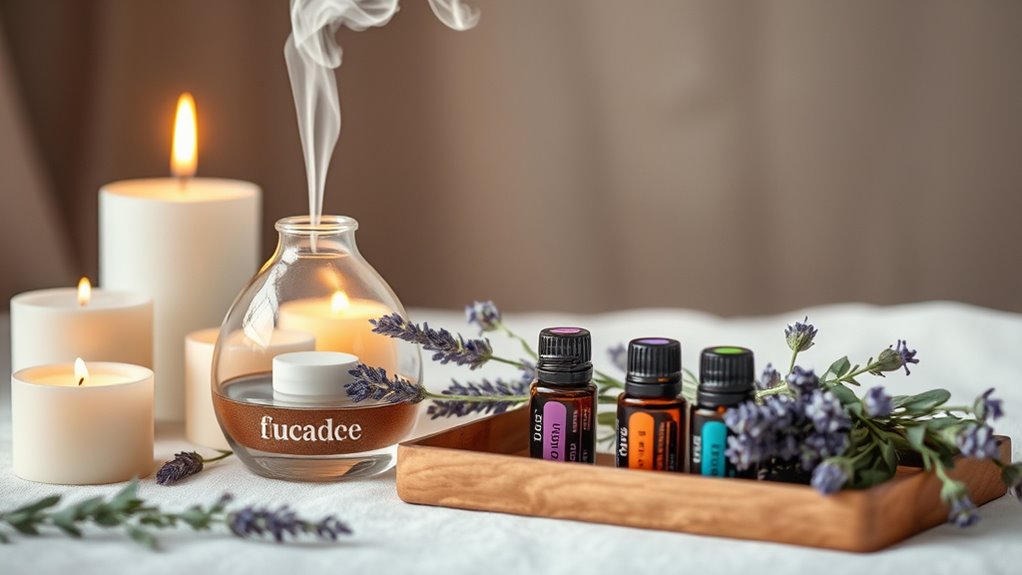
Aromatherapy and essential oils have gained popularity as natural ways to promote well-being and balance. When you explore scent therapy, you’re tapping into a centuries-old practice that aims to support holistic health. Instead of relying solely on medication or conventional treatments, scent therapy involves using fragrant plant extracts to influence your physical, emotional, and mental state. This approach recognizes that health isn’t just about addressing symptoms but fostering overall harmony within your body and mind.
Discover the holistic power of scent therapy using natural essential oils to support your well-being and harmony.
As you incorporate essential oils into your routine, you’re engaging in a form of holistic health. These oils aren’t just about smelling nice; they’re believed to contain therapeutic properties that can help alleviate stress, improve sleep, boost mood, and even support immune function. For example, lavender is renowned for its calming effects, making it a popular choice for reducing anxiety and promoting restful sleep. Eucalyptus, on the other hand, is often used to clear respiratory pathways and boost energy levels. The key is understanding that scent therapy isn’t a one-size-fits-all solution—different oils can target specific needs, and their effects may vary from person to person.
You can use essential oils in various ways to support your well-being. Diffusing them in your living space allows the aroma to fill the air, creating a calming or invigorating environment. You might also add a few drops to a warm bath or create a personalized massage oil. When applied topically, it’s important to dilute essential oils with a carrier oil to prevent irritation. Regardless of the method, the goal is to harness the natural scent properties of these oils to influence your mood and physiological responses.
Scientific evidence supports some benefits of scent therapy, though it’s not a cure-all. Studies suggest that certain essential oils can reduce cortisol levels, ease symptoms of depression, or promote relaxation. Additionally, understanding the safe use of essential oils, including proper dilution guidelines, ensures a positive experience and minimizes risks. However, the effects are often subtle and can depend on individual preferences and sensitivities. It’s essential to approach aromatherapy as a complementary practice rather than a replacement for medical treatment. As you experiment with different oils, pay attention to how each one makes you feel and adjust accordingly.
In the end, incorporating essential oils into your daily routine can be a meaningful way to support your holistic health. By embracing scent therapy, you’re engaging your senses to enhance your emotional, mental, and physical well-being naturally. Always remember to use high-quality oils and consult with healthcare professionals if you have underlying health conditions or are pregnant. With mindful use, aromatherapy can become a gentle, effective tool for maintaining balance and promoting overall wellness.
Frequently Asked Questions
Can Aromatherapy Replace Conventional Medical Treatments?
Aromatherapy can’t replace conventional medical treatments, but it can serve as a helpful complementary therapy. You might find it enhances your overall well-being and supports holistic approaches to health. While it offers relaxation and stress relief, always consult your healthcare provider before relying solely on aromatherapy for serious conditions. Incorporating essential oils thoughtfully can contribute to your wellness plan without substituting proven medical care.
Are There Any Safety Concerns With Essential Oil Use?
Sure, using essential oils is perfectly safe—if you follow dilution guidelines and watch for skin sensitivity. Ignoring these precautions might turn your relaxing lavender into a fiery disaster or a rash-inducing nightmare. Always dilute oils properly and do a patch test to avoid allergic reactions. Remember, even natural substances can cause harm if misused, so stay cautious and informed to enjoy aromatherapy safely!
How Do I Choose the Right Essential Oil for Me?
You should choose an essential oil based on your personal preferences and scent selection. Start by exploring different fragrances to see which ones evoke positive feelings or relaxation. Consider your needs, like calming or energizing effects, and pick oils known for those benefits. Always test a small amount first to guarantee you don’t have sensitivities. Trust your instincts and select scents that resonate with you for a more enjoyable experience.
Can Aromatherapy Help With Specific Mental Health Issues?
Did you know that over 60% of people report using aromatherapy to manage stress? Yes, it can help with specific mental health issues by enhancing mindfulness benefits and supporting emotional regulation. Essential oils like lavender or chamomile may reduce anxiety and promote relaxation. While not a substitute for professional help, incorporating aromatherapy into your routine can complement other mental health strategies effectively.
What Is the Best Way to Store Essential Oils?
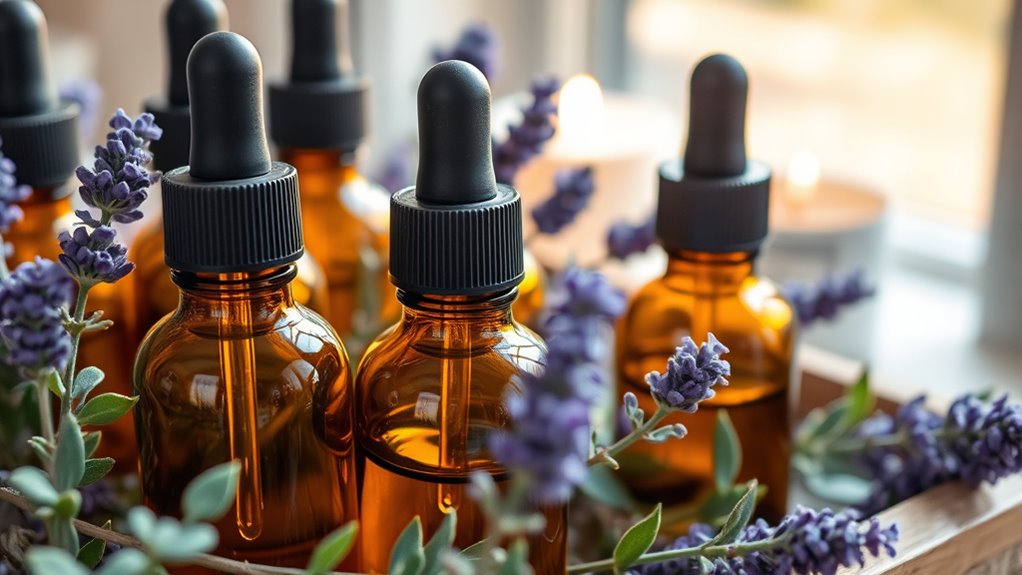
To maximize essential oil longevity, store them in dark glass bottles away from direct sunlight and heat. Keep caps tightly sealed to prevent oxidation and evaporation. Store oils in a cool, dry place, like a drawer or cupboard, to maintain their potency. Follow these storage tips, and your essential oils will stay fresh longer, ensuring you get the most benefit from their therapeutic properties whenever you use them.
Conclusion
So, next time you’re drowning in stress, just spritz some lavender, breathe in, and pretend it’s a miracle cure. Who needs science when you’ve got a scented bottle promising paradise? Maybe those essential oils are your new best friend—unless you’d rather face reality with a pinch of skepticism. Either way, remember: a whiff of wellness might just be your ticket to bliss… or at least a good sniff before the chaos resumes.