
Using wearables and health data, you can optimize your sleep, diet, and daily habits for better well-being. These devices track sleep cycles, heart rate, blood oxygen, and nutrition, giving you personalized insights. With this information, you can fine-tune routines, improve sleep quality, and make smarter dietary choices. As you explore these tools further, you’ll discover how continuous feedback helps you unseal lasting health and vitality.
Key Takeaways
- Wearables track sleep and nutrition data to identify patterns and optimize routines for better overall well-being.
- Real-time insights from devices enable personalized adjustments to sleep environment and dietary habits.
- Combining sleep and nutritional metrics helps detect correlations and fine-tune lifestyle habits proactively.
- Data-driven recommendations support smarter choices for mental clarity, energy, and emotional stability.
- Visualization dashboards simplify complex health data, empowering individuals to make informed biohacking decisions.

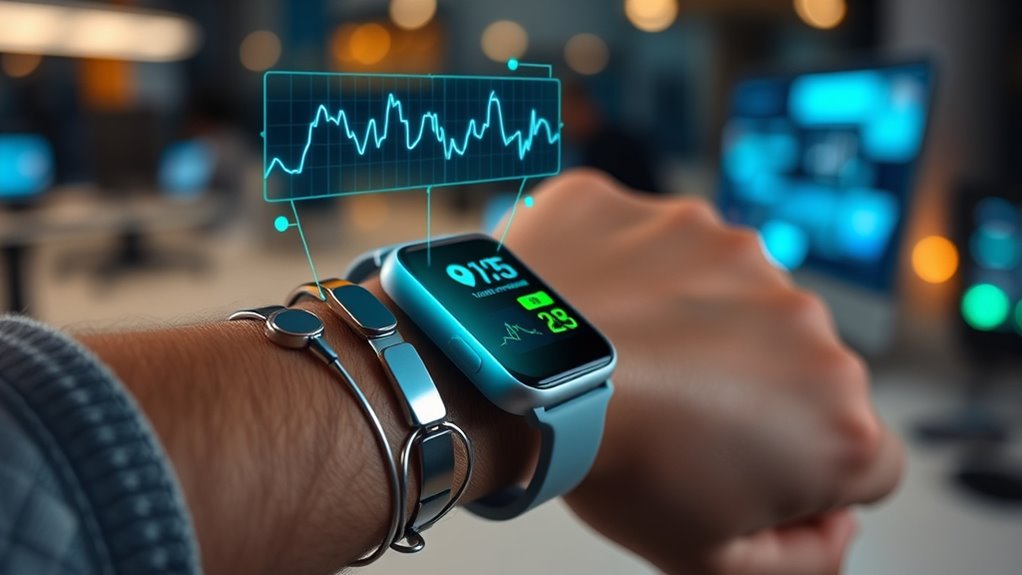
Biohacking has emerged as a practical way to optimize your well-being by making small, intentional changes to your lifestyle. One of the most impactful areas you can focus on is sleep optimization. Wearables like fitness trackers and sleep monitors provide real-time data on your sleep patterns, helping you identify issues like frequent awakenings or insufficient REM sleep. By tracking your sleep cycles, you can adjust your bedtime routines, room temperature, or even your exposure to blue light, ensuring you get restorative rest. These devices often incorporate heart rate variability and blood oxygen levels, offering a comprehensive view of your sleep quality. The insights gained empower you to develop habits that promote deeper, more consistent sleep, which is essential for physical health, mental clarity, and emotional stability. Additionally, some wearables utilize essential oils insights to suggest optimal sleep environments or relaxation techniques based on your personal data.
Alongside sleep, nutritional tracking plays a critical role in biohacking your well-being. Wearables equipped with sensors and connected apps allow you to monitor your dietary intake and its effects on your body. For example, continuous glucose monitors (CGMs) can show how different foods impact your blood sugar levels, enabling you to make smarter nutritional choices. You can track macronutrient ratios, calorie intake, and micronutrient levels effortlessly, gaining valuable insights into how your diet influences energy, mood, and overall health. This data helps you identify food sensitivities, optimize meal timing, and maintain balanced nutrition tailored to your specific needs. With accurate nutritional tracking, you avoid guesswork and can make data-driven adjustments that support your long-term well-being.
Using wearables for sleep optimization and nutritional tracking creates a feedback loop that enhances your self-awareness. You start noticing patterns—perhaps your sleep quality dips after certain foods or late-night screen time—and can intervene proactively. These devices often sync with smartphone apps, providing visual dashboards that make complex data easy to interpret. As a result, you develop more mindful habits, like adjusting your caffeine intake or establishing a relaxing pre-sleep routine, based on concrete evidence rather than guesswork. Over time, this personalized approach helps you fine-tune your lifestyle, making small tweaks that lead to significant improvements in your overall health and vitality.
Frequently Asked Questions
How Can Wearables Improve Mental Health?
Wearables can markedly improve your mental health by tracking your mood, sleep, and activity levels. They encourage mindfulness techniques by providing real-time data that helps you stay aware of stress triggers. Additionally, wearables optimize sleep patterns, which boosts mental clarity and emotional resilience. By monitoring your habits and offering actionable insights, these devices empower you to make healthier choices and manage your mental well-being more effectively.
Are There Privacy Concerns With Biohacking Data?
Think of your biohacking data as a treasure chest—valuable yet vulnerable. Yes, there are privacy concerns, especially around data security and ethical considerations. You must guard this treasure, ensuring it doesn’t fall into the wrong hands or get misused. Always choose reputable devices, understand their privacy policies, and stay informed. Protecting your data is like shielding your personal gold from thieves; it’s essential for peace of mind.
What Are the Risks of Self-Experimentation?
Self-experimentation in biohacking can pose serious risks, like ethical dilemmas and unknown long-term effects. You might push your body beyond safe limits or ignore potential side effects, which could lead to health issues or irreversible damage. It’s vital to weigh these risks carefully, stay informed, and consider consulting professionals. Remember, even well-intentioned experiments can have unintended consequences, so proceed with caution and prioritize your safety.
How Accurate Are Wearable Health Devices?
About 85% of wearable devices are fairly accurate, but their precision varies. You should consider sensor calibration; it guarantees consistent readings over time. Data interoperability is also key—if your device can’t sync seamlessly with others, accuracy might suffer. Keep in mind, while wearables give useful insights, they shouldn’t replace medical advice. Regular updates and proper calibration help improve reliability, giving you more confidence in your health data.
Can Biohacking Replace Traditional Medical Advice?
Biohacking can’t replace traditional medical advice, especially when it comes to genetic modification and nutritional optimization. While wearables and data can help you track your health, they don’t diagnose or treat conditions. Trust healthcare professionals for personalized guidance, and use biohacking tools as supplementary support. Combining both approaches can enhance your well-being, but always prioritize expert advice for serious health concerns.
Conclusion
Embrace biohacking like a skilled navigator steering your ship through the vast ocean of well-being. Wearables are your trusted compass, guiding you toward healthier habits and clearer mindsets. By harnessing your data, you become the artist painting a vibrant masterpiece of vigor. Remember, every small tweak is a brushstroke shaping your best self. So set sail with curiosity and confidence—your journey to wellness is an adventure waiting to unfold beneath the stars of possibility.