
TL;DR

Turn your quiet moments into listening time
- Thousands of audiobooks, podcasts and originals
- Listen on your phone, tablet or Echo — also offline
- Cancel anytime
Recent observations indicate a spike in interest around privatized spirituality, which experts suggest may be linked to increased feelings of loneliness. The trend emphasizes individual spiritual practices over communal engagement, with potential social consequences.
Recent data shows a significant increase in public interest in privatized spirituality, a trend that experts suggest may be contributing to rising loneliness levels. This shift toward individual spiritual practices over community-based engagement is raising concerns about its social implications, especially amid broader mental health discussions.
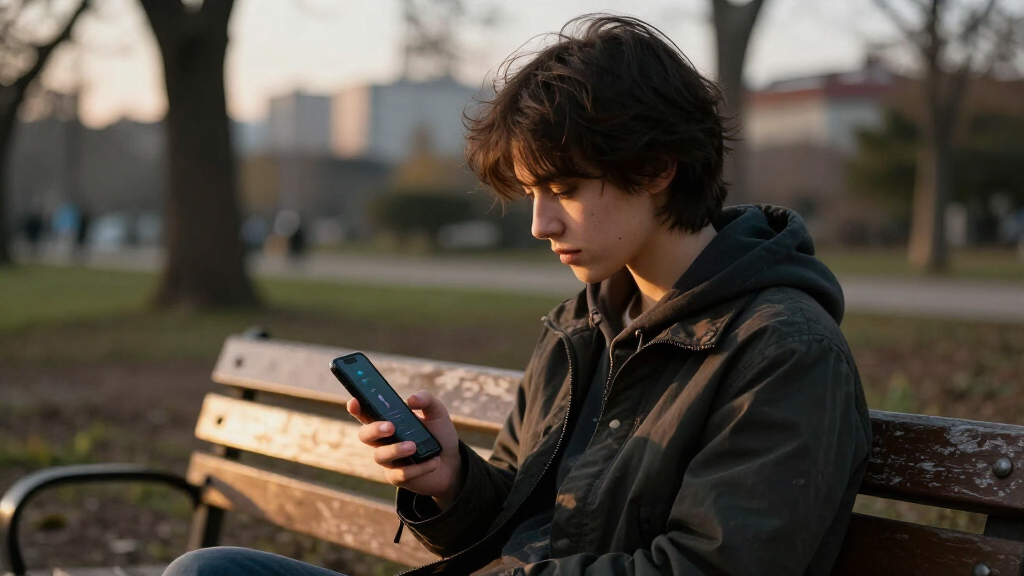
Over the past several months, online search trends and media coverage have highlighted a growing focus on personal, individualized forms of spirituality. Unlike traditional or organized religious practices, privatized spirituality emphasizes personal beliefs, meditation, and self-guided rituals, often conducted alone. While this trend appeals to many seeking autonomy in their spiritual lives, some researchers and mental health professionals warn it may inadvertently foster social disconnection.
Studies and surveys indicate that loneliness has been increasing globally, with some experts attributing part of this rise to changes in social behaviors and community engagement. The shift toward privatized spirituality is seen by some as a factor, as it tends to replace communal religious gatherings with solitary practices. However, concrete causal links remain unconfirmed, and the trend is still being analyzed.
Analysts note that the pandemic accelerated both the adoption of digital and individual spiritual practices, which could have long-term effects on social cohesion. Meanwhile, some spiritual communities and organizations are exploring ways to integrate personal spirituality with community-building efforts to counteract potential loneliness.
The rise of privatized spirituality could have significant social implications, potentially weakening communal bonds and increasing feelings of loneliness. As more individuals turn inward for spiritual fulfillment, opportunities for shared experiences and social support may diminish, impacting mental health and societal cohesion. Understanding this trend is crucial for policymakers, mental health professionals, and community leaders aiming to foster connectedness in increasingly individualistic societies.
As an affiliate, we earn on qualifying purchases.
Interest in personalized spirituality has been growing over the past decade, with online platforms, meditation apps, and self-help resources fueling the shift. The trend gained further momentum during the COVID-19 pandemic, which limited in-person gatherings and promoted solitary practices. While some see this as a positive move toward autonomy and self-care, critics argue it may come at the expense of social connection. The current spike in coverage and search interest signals a broader societal conversation about the balance between individual spirituality and community involvement.
personal spiritual practice journal
As an affiliate, we earn on qualifying purchases.
As an affiliate, we earn on qualifying purchases.
What Is the Causal Relationship Between Privatized Spirituality and Loneliness?
While there is a correlation between increased interest in privatized spirituality and rising loneliness, it remains unclear whether one causes the other. Researchers caution that other factors, such as social media use, urbanization, and changing cultural norms, also contribute. The precise nature of the relationship is still under investigation, and more empirical data is needed to establish causality.
As an affiliate, we earn on qualifying purchases.
Monitoring Trends and Developing Community-Based Interventions
Experts suggest ongoing research to clarify the impact of privatized spirituality on social health. Meanwhile, community organizations and mental health advocates are exploring ways to integrate personal spiritual practices with social activities to mitigate loneliness. Future studies may focus on designing interventions that balance individual autonomy with social connectedness, especially as interest in personalized spirituality continues to grow.
As an affiliate, we earn on qualifying purchases.
Key Questions
How does privatized spirituality differ from organized religion?
Privatized spirituality emphasizes personal beliefs, meditation, and individual practices, often conducted alone, whereas organized religion involves communal gatherings, rituals, and institutional structures.
Is there evidence that privatized spirituality increases loneliness?
Current data shows a correlation, but causality has not been established. Researchers are studying whether the shift toward individual practices contributes to feelings of social disconnection.
Can privatized spirituality be combined with community engagement?
Yes, some organizations are exploring ways to integrate personal spiritual practices with social activities to help reduce loneliness while respecting individual autonomy.
What are the mental health risks associated with increased loneliness?
Loneliness has been linked to depression, anxiety, and other health issues. Understanding the role of spiritual practices in social health is an ongoing area of research.
Why is interest in privatized spirituality increasing now?
Factors include cultural shifts toward individualism, the influence of digital platforms, and the impact of the COVID-19 pandemic, which limited in-person social interactions.
Source: rss
Fall Picks
fall essentials
As an affiliate, we earn on qualifying purchases.