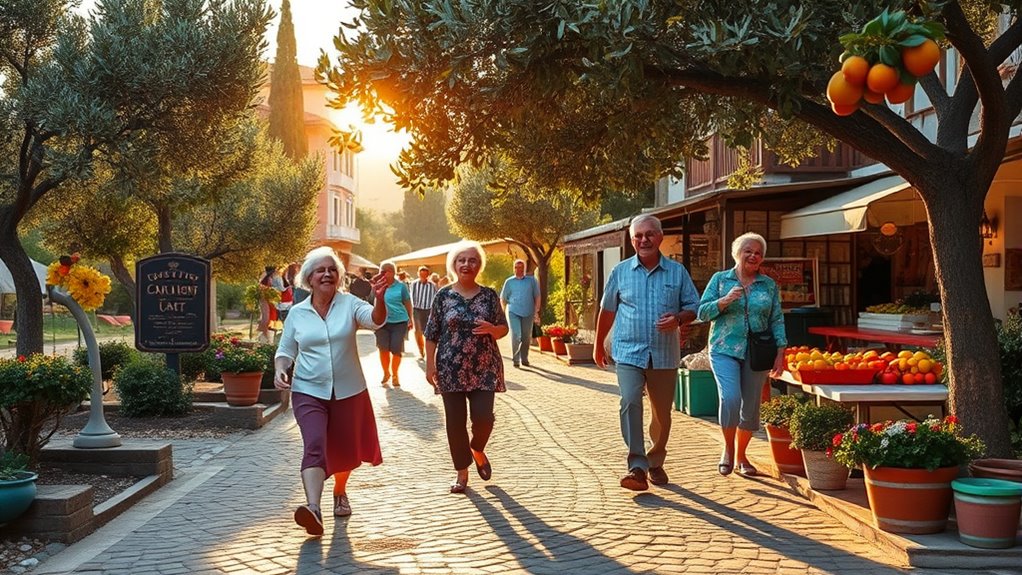

To boost your longevity, adopt Blue Zone habits like eating mostly plant-based foods, whole grains, nuts, and legumes gradually. Stay active with daily movements such as walking, gardening, or dancing, which maintain your strength and health. Cultivate strong social ties with family and friends, as these connections support emotional well-being and resilience. Focus on sustainable routines and positive habits that promote overall wellness. If you keep exploring, you’ll discover even more ways to live a longer, healthier life.
Key Takeaways
- Emphasize a plant-based diet rich in whole grains, nuts, and legumes for nutrient intake and antioxidants.
- Engage in regular, moderate physical activities like walking and gardening to maintain health.
- Build strong social connections with family and community to support emotional well-being.
- Develop sustainable healthy habits through small, consistent lifestyle changes over time.
- Foster a sense of purpose and social engagement to enhance mental health and longevity.
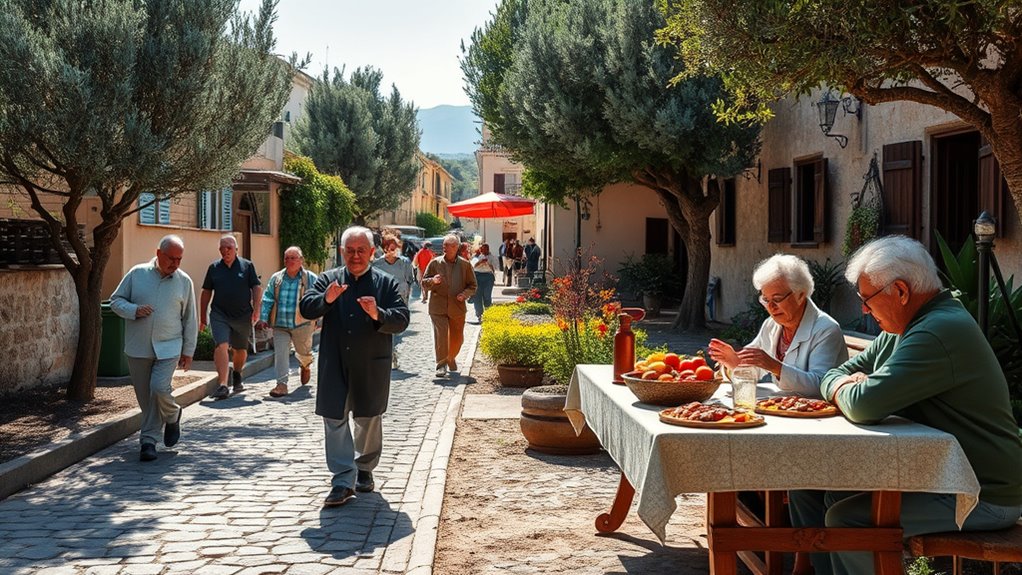
Ever wonder what secrets can help you live a longer, healthier life? The answer lies in simple, sustainable habits that many Blue Zones share. These regions, where people live markedly longer than average, reveal a few key practices you can adopt today. One of the most important is maintaining a balanced diet and regular exercise. You don’t need to overhaul your entire lifestyle overnight; instead, focus on incorporating plant-based foods, whole grains, nuts, and legumes into your meals. These foods provide essential nutrients and antioxidants that combat aging and boost overall health. Pair this with consistent physical activity—think walking, gardening, or dancing—rather than intense workouts. Moving your body regularly helps keep your muscles, bones, and cardiovascular system strong, which is essential for longevity. Additionally, cultivating healthy lifestyle habits supports your efforts to live longer and better.
But healthy living isn’t just about what you eat or how much you move. Social connections play a key role in increasing lifespan. In Blue Zones, people prioritize strong relationships with family, friends, and their community. These bonds offer emotional support, reduce stress, and foster a sense of belonging—all of which contribute to better health and resilience. Make time to connect with loved ones daily, whether through shared meals, conversations, or activities. Avoid social isolation, which has been linked to higher rates of illness and early death. You might find that nurturing your social ties is just as important as watching your diet or exercising. When you feel connected, you’re more motivated to stick with healthy routines and face life’s challenges with a positive outlook.
Frequently Asked Questions
What Are the Common Misconceptions About Blue Zone Habits?
Many people think Blue Zone habits are solely about genetics, but lifestyle plays a bigger role. You might believe you need perfect diets or intense workouts, but these habits focus on daily activity, strong community ties, and simple, healthy eating. Don’t fall for misconceptions that only genetics influence longevity; your choices and social connections are vital. Embrace small, consistent changes instead of expecting drastic results from unrealistic routines.
How Do Blue Zone Practices Vary Across Different Regions?
Imagine stumbling upon a bustling village in Sardinia or Okinawa, where unique regional diet patterns and cultural activities shape daily life. You’ll notice that Blue Zone practices vary—Mediterranean diets emphasize olive oil and vegetables, while Okinawa favors tofu and sweet potatoes. Cultural activity differences also influence longevity, with some regions prioritizing social bonds and physical activity, creating diverse yet effective habits for a longer, healthier life.
Can These Habits Be Adapted for Urban Lifestyles?
Yes, you can adapt Blue Zone habits for urban lifestyles through urban adaptation and lifestyle integration. Focus on incorporating more plant-based foods, regular physical activity, and strong community bonds into your daily routine. Walk or bike instead of driving, join local groups, and prioritize stress reduction. These small changes help mimic Blue Zone practices, making longevity-promoting habits practical and effective even amid city life.
What Role Does Genetics Play in Longevity?
Sure, genetics play a role, but don’t bank on them alone to extend your life. Your genetic influence and hereditary factors set the stage, but lifestyle choices steal the spotlight. Think of genetics as the script, but your habits are the actors. So, while your DNA might give you a head start or a few hurdles, it’s your daily habits that truly decide how long you’ll stay in the spotlight.
Are There Any Downsides to Adopting Blue Zone Habits?
Adopting Blue Zone habits can sometimes lead to potential downsides like social isolation, if you become overly focused on routines that limit social interactions. You might also face nutritional limitations if you restrict certain foods, which could affect your overall health. It’s important to balance these habits with social engagement and a varied diet, so you enjoy the benefits without unintended consequences.
Conclusion
By adopting these Blue Zone habits, you could substantially increase your chances of living a longer, healthier life. Did you know that people in these zones live an average of 7 to 10 years longer than others? Small daily changes—like eating nutritious foods, staying active, and nurturing community—can make a big difference. Start today, and you might just add years of vitality and happiness to your life. Your journey to longevity begins now!