
TL;DR

Turn your quiet moments into listening time
- Thousands of audiobooks, podcasts and originals
- Listen on your phone, tablet or Echo — also offline
- Cancel anytime
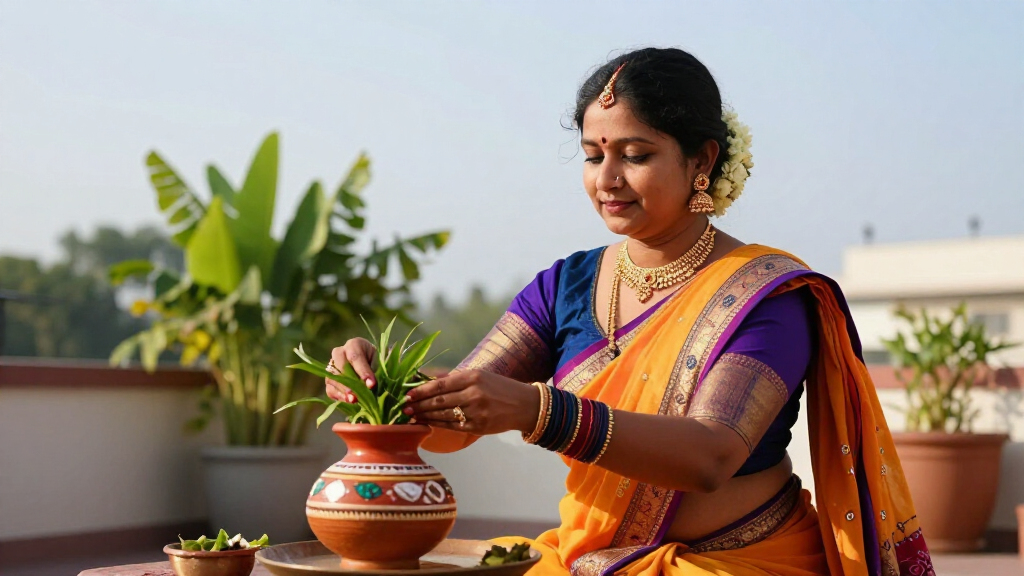
Hariyali Teej, a traditional Hindu festival, has experienced a notable rise in global media mentions, reaching 61 reports compared to the usual baseline. This indicates growing international awareness and interest.
Hariyali Teej, a Hindu festival celebrated primarily in India and Nepal, has seen a significant surge in international media coverage. According to data from GDELT, mentions of Hariyali Teej increased to 61 reports within a recent window, a sharp rise from the baseline of 2 reports, indicating heightened global interest.
GDELT, a global news database, recorded 61 mentions of Hariyali Teej in the recent reporting window, compared to an average of 2 mentions in typical periods. The spike is notable across various international media outlets, including coverage in South Asia, Southeast Asia, and Western countries with Indian diaspora communities. The surge coincides with the festival dates, which typically fall in late July or early August, though exact dates vary annually. For more on cultural and religious festivals, see the Islamic Society Of Tulsa Surges In Global Coverage.
Experts suggest that this increased coverage could be driven by several factors, including social media campaigns, cultural exchanges, and a broader interest in Indian festivals amid global events. However, the precise reasons for the spike are still under analysis, and it remains unclear whether this is a temporary trend or part of a longer-term increase in international awareness.
Implications of Global Media Attention on Hariyali Teej
The rising international coverage of Hariyali Teej highlights a growing global interest in Indian cultural and religious festivals. This can foster greater cross-cultural understanding and promote tourism and cultural exchange. For Indian communities abroad, increased media attention can strengthen cultural identity and visibility. Additionally, the trend may influence future media coverage patterns and encourage more inclusive representation of diverse festivals worldwide.
As an affiliate, we earn on qualifying purchases.
Historical and Recent Trends in Hariyali Teej Coverage
Hariyali Teej is traditionally celebrated in India and Nepal, with origins rooted in Hindu mythology and agricultural practices. Historically, media coverage has been localized, primarily within South Asia. The recent surge, as recorded by GDELT, marks a departure from past patterns, possibly reflecting broader globalization of cultural events. The festival involves rituals, fasting, and social gatherings, often linked to monsoon season and fertility rites.
In recent years, social media has played a significant role in spreading awareness of Indian festivals internationally. The current spike in coverage may be linked to increased online sharing, cultural diplomacy, or notable events coinciding with this year’s celebrations.
“The surge in global media mentions of Hariyali Teej indicates a rising international curiosity about Indian traditions, possibly driven by digital platforms and diaspora communities.”
— Dr. Anjali Patel, Cultural Anthropologist
As an affiliate, we earn on qualifying purchases.
Unclear Factors Behind the Coverage Spike
It is not yet confirmed whether the increased mentions are due to a specific event, such as a promotional campaign or a viral social media trend, or if they reflect a broader, ongoing shift in international interest. The precise drivers of this surge remain under investigation, and it is unclear how long this heightened coverage will last.
As an affiliate, we earn on qualifying purchases.
Monitoring Future Media Trends on Hariyali Teej
Experts and media analysts will continue to track mentions of Hariyali Teej in global news outlets to determine if the trend persists. Additionally, cultural organizations may leverage this attention to promote deeper engagement and awareness. Further research may reveal whether this surge influences tourism or cultural exchange programs related to the festival.
Hindu festival celebration accessories
As an affiliate, we earn on qualifying purchases.
As an affiliate, we earn on qualifying purchases.
Key Questions
Why has Hariyali Teej received more international media coverage?
The increase is likely driven by social media sharing, diaspora community activities, and possibly specific cultural promotion efforts, but the exact cause is still under analysis.
Is this surge in coverage expected to continue?
It is currently uncertain. Media attention could decline after the festival period or continue if sustained by ongoing campaigns or viral content.
Which countries are most reporting on Hariyali Teej?
Most mentions are from India, Nepal, and countries with significant Indian diaspora populations, including the United States, the United Kingdom, and Australia.
Does increased media coverage impact festival celebrations?
Potentially, heightened coverage can boost awareness, participation, and cultural exchange, but direct effects on celebrations are yet to be observed.
Source: gdelt
Halloween Picks
halloween
As an affiliate, we earn on qualifying purchases.