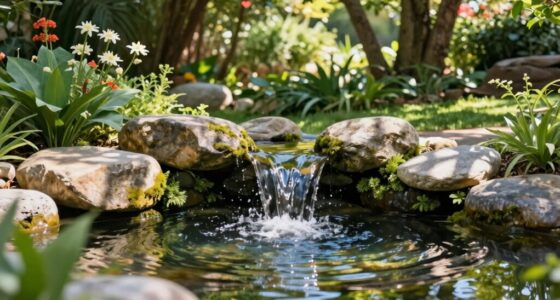
Maintaining an indoor herb garden feels so good because it connects you with nature and provides a sense of accomplishment. You actively care for your plants, watching them grow and thrive, which builds confidence and patience. It also helps you detect early signs of pests or health issues, boosting your gardening skills. The satisfaction of nurturing herbs effortlessly reinforces your bond with nature, making the experience both calming and rewarding. Keep exploring to discover even more benefits of your indoor garden.

Give the gift of listening to someone you love
- Choose a 1-, 3-, 6- or 12-month membership
- They pick the audiobooks they love
- Easy to send by email
Key Takeaways
- Maintaining indoor herb gardens provides a rewarding sense of accomplishment through successful propagation and healthy plant growth.
- Caring for herbs enhances mindfulness and reduces stress, creating a calming, therapeutic gardening experience.
- Growing herbs indoors offers fresh, flavorful ingredients, fostering creativity and satisfaction in daily cooking.
- The process of nurturing herbs boosts confidence and encourages experimentation with plant care techniques.
- Indoor herb gardening promotes biodiversity and environmental awareness, contributing to a balanced, sustainable home ecosystem.

One of the key reasons indoor herb gardens feel so good to maintain is the opportunity for plant propagation. When you propagate herbs, you learn how to clone your favorite plants from cuttings or roots, which deepens your understanding of plant growth cycles. This process fosters patience and attentiveness, as you carefully select healthy cuttings and create the ideal conditions for rooting. As your propagated herbs grow, you see tangible proof of your skills, boosting your confidence and encouraging you to experiment further. Plus, propagating plants is a frugal way to expand your garden, giving you more herbs without additional purchases, and providing a sense of self-sufficiency. Additionally, managing plant health becomes more intuitive as you learn to detect early signs of issues, making your gardening experience more rewarding. Developing early pest detection skills allows you to take swift action before problems escalate, enhancing your gardening success. Another aspect that makes maintaining an indoor herb garden so fulfilling is effective pest management. Unlike outdoor gardens, indoor gardens allow you to keep a close eye on your plants, making it easier to spot and address any pest issues early. You can implement natural pest management strategies, such as introducing beneficial insects or using organic sprays, without the worry of widespread outdoor contamination. This proactive approach means you’re actively protecting your plants, which adds to your sense of control and satisfaction. Recognizing the importance of biodiversity in your garden can also help you create a healthier and more resilient environment. When pests are managed promptly, your herbs stay healthy and vigorous, and you get to enjoy the fruits of your labor without the frustration of significant damage. Developing a comprehensive understanding of plant ecosystems further enhances the robustness of your garden ecosystem.
Popular right now

Dyson Airwrap i.d. Multi-Styler with Bluetooth Connectivity

LG OLED evo C4 55-Inch 4K Smart OLED TV (OLED55C4PUA) with 144Hz Refresh Rate, HDMI Cable, 24-Month Protection Plan, and Streaming Bundle

Breville Barista Express Impress Espresso Machine with Grinder, Brushed Stainless Steel
As an affiliate, we earn on qualifying purchases.
Frequently Asked Questions
What Are the Best Herbs for Beginners to Grow Indoors?
For beginners, basil, mint, parsley, and chives are your best options. They have mild herb flavor profiles, making them easy to grow and use. You can choose from various container selection options like small pots or recycled jars, which are perfect for indoor spaces. These herbs thrive with simple watering and sunlight, giving you quick success and the satisfaction of fresh flavors right at your fingertips.
How Do I Prevent Pests in My Indoor Herb Garden?
To prevent pests in your indoor herb garden, start with pest prevention by regularly inspecting your plants and maintaining cleanliness. Keep your herbs healthy with proper watering and good airflow. Use organic remedies like neem oil or insecticidal soap if pests appear. Quarantine new plants before introducing them, and avoid over-fertilizing, which can attract pests. Consistent care and organic remedies will help keep your herbs pest-free and thriving.
What Lighting Is Ideal for Different Herbs Indoors?
You should provide your herbs with plenty of natural sunlight, ideally 4-6 hours daily, or supplement with artificial lighting if sunlight is limited. Use full-spectrum grow lights that mimic natural sunlight to support healthy growth. Herbs like basil and parsley thrive with direct light, while mint prefers indirect. Adjust the light distance and duration based on each herb’s needs to keep them vibrant and thriving indoors.
How Often Should I Water Indoor Herbs?
You might be surprised to find that watering frequency depends on your herbs’ moisture levels and environment. Check their soil; if it feels dry about an inch down, it’s time to water. Most indoor herbs prefer watering every 2-3 days, but this can vary. Too much water causes root rot, so guarantee proper drainage. Adjust watering based on your herbs’ response and the season for healthy, happy plants.
Can Indoor Herb Gardens Help Improve Indoor Air Quality?
Yes, indoor herb gardens can help improve air quality. They contribute to air purification by naturally filtering pollutants and releasing oxygen, which can enhance your respiratory benefits. As you tend to your herbs, you’ll notice fresher air and a more inviting space. Keep in mind, the plants’ natural process of absorbing toxins and increasing humidity makes your indoor environment healthier and more comfortable for you to breathe.
Conclusion
Taking care of your indoor herb garden isn’t just about fresh flavors; it’s about nurturing a little piece of nature right in your home. As you tend to your herbs, you’ll find that the satisfaction grows with each new sprout and every harvest. It’s a rewarding hobby that feeds both your culinary creativity and your soul—proving that sometimes, the best things in life are right under your nose. Keep at it, and you’ll see, the benefits grow like weeds!