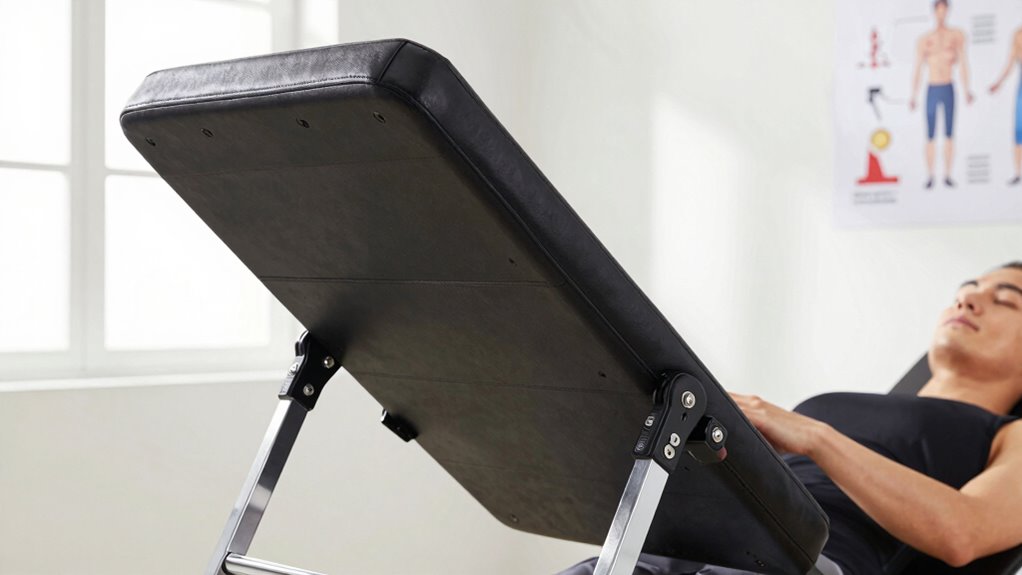

Inversion tables can support your back recovery by helping decompress your spine and improve circulation, which may reduce pain and stiffness. You get it right when you use them correctly and in moderation, understanding they’re best as part of a balanced routine and not a cure-all. However, many people misuse or overuse inversion therapy, risking dizziness or increased blood pressure. If you want to learn how to use inversion tables safely and effectively, there’s more you should know.

Turn your quiet moments into listening time
- Thousands of audiobooks, podcasts and originals
- Listen on your phone, tablet or Echo — also offline
- Cancel anytime
Key Takeaways
- Inversion tables promote spinal decompression and can alleviate pressure on discs and joints when used correctly.
- Proper technique, timing, and moderation are essential to prevent adverse effects like dizziness or increased blood pressure.
- Inversion therapy should complement professional treatment, not replace it, especially for chronic back issues.
- People often overestimate inversion tables’ ability to instantly fix back problems; gradual improvements are typical.
- Safety considerations, including individual health conditions, are crucial before using inversion tables to avoid complications.
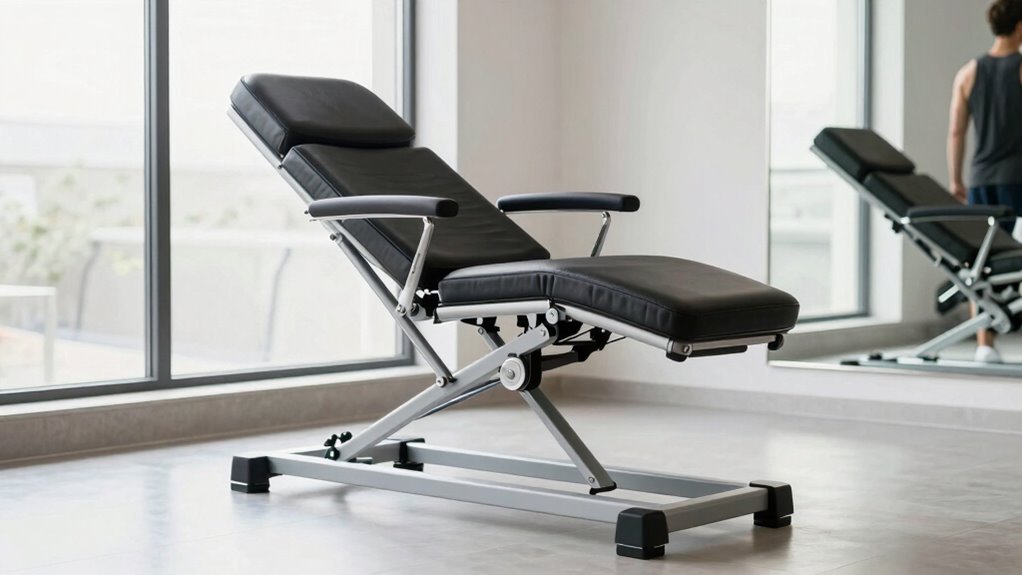
Have you ever wondered how inversion tables might help with back recovery? Many people turn to inversion therapy hoping to alleviate pain and improve their overall spinal health. The idea is that by hanging upside down or at an angle, you can promote better spinal alignment and enhance blood circulation. When you invert, gravity assists in decompressing your spine, which can temporarily relieve pressure on your discs and joints. This decompression may help reduce pain and stiffness, especially if you’ve been sitting or standing for long periods. Plus, improved blood flow to your back muscles and tissues can aid in healing and reduce inflammation.
Inversion therapy may help decompress the spine, reduce pain, and improve circulation for back recovery.
However, it’s important to understand what inversion tables can realistically do and where misconceptions often arise. Some believe that inversion therapy is a cure-all for chronic back issues, but it’s not a magic solution. While it can support temporary relief and help maintain spinal alignment, it shouldn’t replace a thorough treatment plan prescribed by a healthcare professional. Maintaining proper spinal alignment is essential, and inversion tables can be a part of that process if used correctly. When you invert, you help stretch and elongate your spine, which can counteract the compression caused by daily activities. This realignment can improve posture and reduce nerve compression, leading to less pain and discomfort over time.
Blood circulation is another benefit often associated with inversion therapy. When you hang upside down, blood flow to your brain and upper body increases temporarily, which may boost alertness and help with headaches. For your back, enhanced circulation encourages the delivery of nutrients and removal of metabolic waste from tissues. This process can support joint health and speed up recovery from injury. But it’s essential not to overdo it. Prolonged or improper inversion can cause dizziness, increased blood pressure, or other complications, especially if you have pre-existing health conditions. Additionally, understanding the mechanics of spinal decompression can help you use inversion tables more safely and effectively. Incorporating proper technique and timing into your routine can also prevent adverse effects and optimize benefits. Recognizing individual health considerations is crucial for safe practice, as not everyone may be suitable for inversion therapy. Being aware of contraindications and warnings can help you make informed decisions about your back health and safety.
Using inversion tables with the correct technique and timing can maximize benefits and minimize risks, making it a safer addition to your back care routine. People often get wrong the idea that inversion therapy is safe for everyone or that it can instantly fix longstanding back problems. In reality, it’s a tool that can support back health when used correctly and in moderation. Always consult with your healthcare provider before starting, especially if you have high blood pressure, glaucoma, or heart issues. When used properly, inversion tables can help you improve spinal alignment, promote blood circulation, and contribute to your back recovery journey. Just remember, like any therapy, it works best as part of a balanced approach that includes exercise, proper posture, and professional guidance.
inversion table for back pain relief
As an affiliate, we earn on qualifying purchases.
As an affiliate, we earn on qualifying purchases.
Frequently Asked Questions
Are Inversion Tables Safe for Pregnant Women?
Inversion tables are not safe for pregnant women because of pregnancy precautions and inversion risks. You should avoid using them during pregnancy, as they can increase pressure on your abdomen and potentially cause complications. Always consult your healthcare provider before trying any new therapies. Pregnant women face unique risks, so prioritizing safety and following medical advice is essential to protect both you and your baby.
How Often Should I Use an Inversion Table?
You should use an inversion table about 2-3 times a week, following general frequency guidelines. Always start slowly and limit your sessions to 1-2 minutes initially, gradually increasing as you become more comfortable. Pay attention to usage precautions, especially if you have health issues. Consulting a healthcare professional beforehand can help *guarantee* safe, effective use tailored to your needs and prevent overdoing it.
Can Inversion Tables Help With Sciatica Pain?
Like Thor wielding Mjolnir, you can harness an inversion table for sciatic relief. It promotes spinal decompression, which may ease nerve pressure causing sciatica pain. While it’s not a cure-all, regular use might reduce discomfort and improve mobility. Keep in mind, consult your healthcare provider first, especially if you have nerve issues or other health concerns. Used correctly, inversion therapy can be a helpful addition to your pain management routine.
Are There Any Age Restrictions for Inversion Table Use?
Age restrictions for inversion table use vary, but generally, it’s safe for adults of most ages if you’re healthy. However, safety considerations become vital with older adults, especially those with high blood pressure, heart issues, or glaucoma. Always consult your healthcare provider before starting. If you’re under medical care or have health concerns, following age guidelines and safety tips guarantees you use the inversion table safely and effectively.
What Are the Long-Term Effects of Inversion Therapy?
Imagine your spine as a well-tuned instrument; long-term inversion therapy can help maintain proper spinal alignment and improve blood circulation. Over time, it may reduce chronic back pain and enhance flexibility, much like a gentle tide easing the shoreline. However, prolonged or improper use could strain your joints or cause dizziness. Consistent, cautious use helps you enjoy these benefits while minimizing risks.
spinal decompression inversion table
As an affiliate, we earn on qualifying purchases.
As an affiliate, we earn on qualifying purchases.
Conclusion
Inversion tables can be a helpful tool, but they’re not a magic bullet for back recovery. You need to use them wisely and combine them with proper care, exercise, and professional advice. Remember, all that glitters isn’t gold, so don’t put all your eggs in one basket. Stay informed, listen to your body, and be patient—you’ll find the right balance. After all, slow and steady wins the race when it comes to healing your back.
inversion table with safety features
As an affiliate, we earn on qualifying purchases.
As an affiliate, we earn on qualifying purchases.
best inversion table for spinal health
As an affiliate, we earn on qualifying purchases.
As an affiliate, we earn on qualifying purchases.
Fall Picks
fall essentials
As an affiliate, we earn on qualifying purchases.