

Rest isn’t just a luxury; it’s an essential productivity tool. Taking regular breaks helps recharge your brain, keeping mental fatigue at bay and enhancing focus. When you step away, even for a few minutes, you give your mind a chance to reset and come back more creative. Short active recovery techniques, like stretching or light walking, boost your clarity and innovation. Embracing rest as part of your routine can lead you to even greater results. Discover how to optimize your breaks for maximum benefit.
Key Takeaways
- Regular breaks recharge the brain, preventing mental fatigue and boosting overall productivity.
- Active recovery techniques, like light stretching and quick walks, enhance focus and creativity.
- Rest is essential for cognitive function, allowing for better information processing and decision-making.
- Integrating intentional pauses into your routine significantly improves work efficiency and attention to detail.
- Evidence-based practices show that mental recovery fosters emotional resilience and enhances performance.
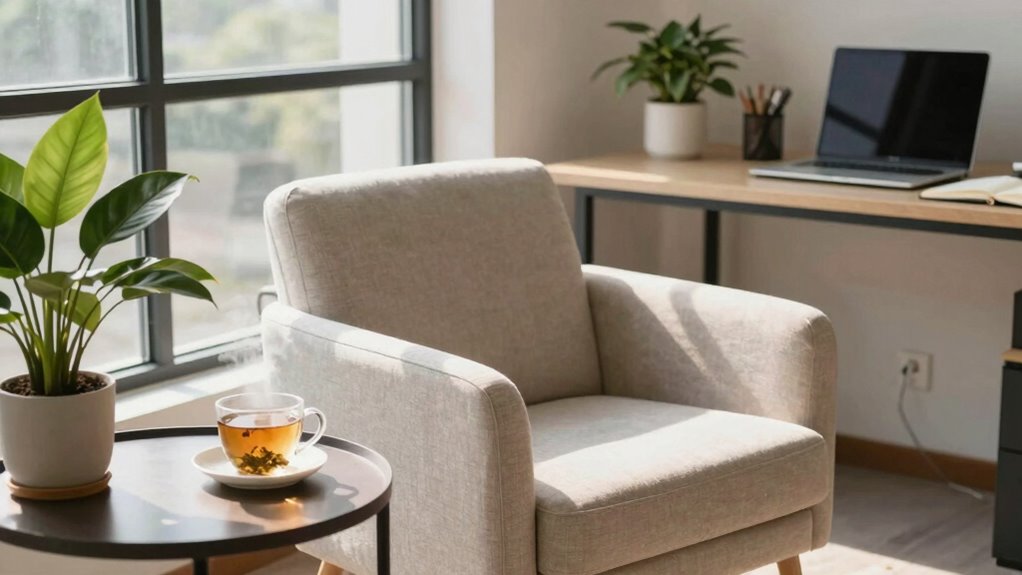
While it might seem counterintuitive, taking regular breaks can actually boost your productivity. When you push through long stretches of work without stopping, you might feel like you’re being productive, but the truth is, your brain needs time to recharge. That’s where effective downtime comes into play. By incorporating mental breaks into your routine, you allow yourself to reset, leading to sharper focus and increased creativity when you return to your tasks.
Taking regular breaks is essential; they recharge your brain, sharpen focus, and spark creativity for more productive work sessions.
Think about it this way: when you’re constantly grinding, your brain can become fatigued, making it harder to concentrate. Instead of powering through, consider taking short, intentional breaks. This isn’t just about stepping away from your desk; it’s about engaging in active recovery. Whether it’s a quick walk, some light stretching, or even a few minutes of meditation, these activities can refresh your mind and body. Incorporating restorative practices can further enhance your recovery and focus. You’ll find that returning to your work afterward feels much more manageable, and you might even come up with innovative solutions to problems that seemed insurmountable just moments before.
Restorative practices are crucial for maintaining high levels of productivity. You might think of rest as a luxury, but it’s really a necessity. When you allow yourself time for mental breaks, you’re investing in your ability to think clearly and work efficiently. This isn’t about laziness; it’s about understanding that your brain needs time to process and synthesize information, especially considering how air purifier maintenance and filter changes require attention to detail and focus. Research also shows that cognitive function benefits from intentional pauses, emphasizing the importance of rest for mental clarity. The importance of mental recovery is supported by research showing that brief, intentional pauses can significantly improve cognitive function and emotional resilience. The more you embrace this concept, the more you’ll see how essential rest is to your success. Incorporating evidence-based wellness practices can further enhance your recovery and focus.
Consider how you can integrate these principles into your daily routine. You don’t need to set aside large blocks of time for this—just a few minutes every hour can make a significant difference. Use these moments to step away from your screen, breathe deeply, and clear your mind. This effective downtime will help you return to your work with renewed energy and focus.
office desk stretching equipment
As an affiliate, we earn on qualifying purchases.
As an affiliate, we earn on qualifying purchases.
Frequently Asked Questions
How Much Rest Do I Need for Optimal Productivity?
You need about 7 to 9 hours of sleep each night for ideal productivity. That’s your sleep duration baseline. In addition, don’t underestimate the power of mental breaks throughout your day. Taking short breaks every hour can recharge your mind and boost focus. Experiment with different amounts of rest to find what works best for you, and remember, balanced rest is key to maintaining your energy and performance.
Can Rest Improve Creativity and Problem-Solving Skills?
Yes, rest can greatly improve your creativity and problem-solving skills. When you take breaks, your mind can wander, leading to creative breakthroughs you might miss while intensely focusing. Incorporating rest into your routine enhances your ability to explore different problem-solving techniques, allowing fresh perspectives to emerge. So, don’t underestimate the power of downtime; it’s essential for revealing your full creative potential and finding innovative solutions to challenges.
What Types of Rest Are Most Effective for Productivity?
Ever wondered what types of rest boost your productivity? Power naps can recharge your brain, while active recovery, like light stretching or walking, keeps your energy up. Mental breaks, even just a few minutes, help clear your mind and enhance focus. Don’t forget restorative activities like meditation or reading—they refresh your spirit. By incorporating these rest types into your routine, you’ll find yourself working more efficiently and creatively.
How Do I Incorporate Rest Into a Busy Schedule?
To incorporate rest into your busy schedule, start by scheduling mindful breaks throughout your day. Set alarms to remind yourself to step away, breathe, or stretch for a few minutes. You can also fit in short naps if possible; even 10-20 minutes can recharge your energy. Prioritize these breaks like you would any important meeting, and you’ll find that your productivity and focus improve greatly. Remember, rest isn’t just a luxury—it’s essential!
Is There a Difference Between Rest and Relaxation?
Yes, there’s a difference between rest and relaxation. Active rest involves engaging in low-energy activities that still keep you somewhat active, like stretching or going for a gentle walk. It helps recharge your body while maintaining a sense of productivity. On the other hand, passive relaxation means completely unwinding, like watching TV or napping. Both are essential, but knowing when to use each can enhance your overall well-being and effectiveness.
light walking treadmill for home
As an affiliate, we earn on qualifying purchases.
As an affiliate, we earn on qualifying purchases.
Conclusion
Just like a well-tended garden needs time to recharge between seasons, you too need rest to flourish. It’s not a luxury, but the soil that nourishes your productivity. When you allow yourself to pause, you’re planting seeds of creativity and focus that will blossom into your best work. So, embrace rest as your trusted gardener, cultivating the landscape of your mind, ensuring that when it’s time to grow, you’re ready to thrive.
meditation and mindfulness apps
As an affiliate, we earn on qualifying purchases.
As an affiliate, we earn on qualifying purchases.
ergonomic standing desk
As an affiliate, we earn on qualifying purchases.
As an affiliate, we earn on qualifying purchases.