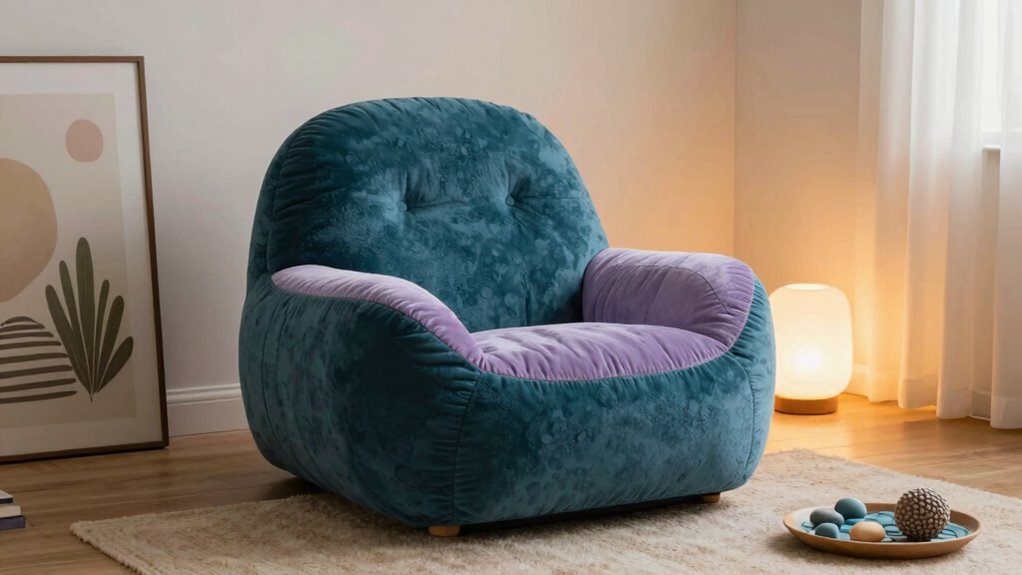

Sensory chairs are designed to help you create a calming space at home that promotes emotional regulation and sensory comfort for your child. They combine ergonomic support with soothing textures to guarantee proper posture, comfort, and tactile exploration. These chairs can help your child feel more centered, reduce overwhelm, and enjoy calmer routines. By choosing the right sensory chair, you support your child’s emotional well-being and sensory development—discover how to make the best choice for your family.

Get books, candles and calm essentials delivered free — and shop member deals
- Fast, free delivery on millions of items
- Access to Prime Big Deal Days deals on October 6–7
- Prime Video, Amazon Music and more included
Key Takeaways
- Sensory chairs provide a calming, supportive environment that helps children self-regulate emotions and sensory input at home.
- Their ergonomic design promotes proper posture, reducing discomfort and supporting focus during calming activities.
- Incorporating soft, textured fabrics offers tactile sensory input that enhances relaxation and emotional stability.
- These chairs encourage longer engagement in calming routines, fostering better emotional regulation over time.
- Using sensory-friendly materials and supportive design principles creates a tailored space for improved calm and comfort at home.
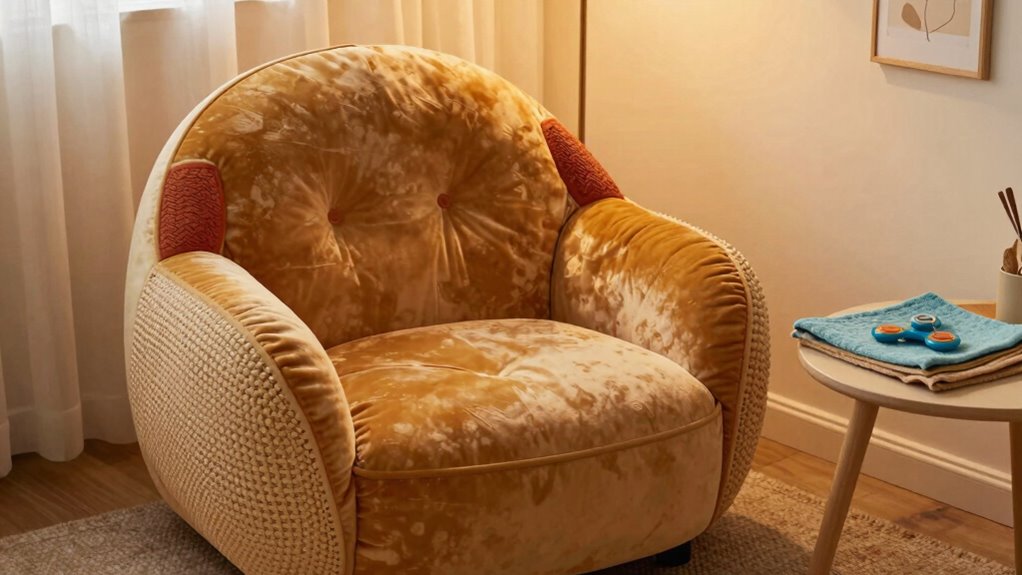
If you’re looking for a way to help your child feel more calm and centered at home, sensory chairs might be just what you need. These chairs are designed with purpose, combining ergonomic design and calming textures to create a soothing space for your child. When you choose a sensory chair, you’re not just investing in a piece of furniture—you’re providing a tool that can help regulate your child’s emotions and sensory input, making daily routines smoother and more enjoyable.
Sensory chairs promote calm, comfort, and emotional regulation through ergonomic support and soothing textures.
The ergonomic design of sensory chairs ensures your child maintains proper posture while seated. This support is vital because it helps reduce physical discomfort, which can contribute to stress or agitation. As your child sits comfortably, they’re more likely to relax and engage in calming activities. The shape and structure of these chairs are tailored to fit small bodies, encouraging a natural, balanced sitting position that promotes focus and comfort. This ergonomic feature also helps prevent fatigue, so your child can spend longer periods in a calming environment without discomfort. Incorporating ergonomic design principles can further optimize the benefits of sensory chairs by supporting healthy posture and comfort. Additionally, choosing chairs made with ergonomically supportive features can enhance overall comfort and stability. Understanding body ergonomics can help you select the best sensory chair for your child’s needs.
Beyond their structure, sensory chairs incorporate calming textures that can have a significant impact on your child’s emotional state. Soft, plush fabrics or textured surfaces invite tactile exploration, which can soothe anxiety and provide sensory input that’s both gentle and grounding. When your child touches the calming textures, it helps them stay present and focused, reducing feelings of overwhelm. These textures serve as a sensory anchor, making it easier for your child to self-regulate and find comfort in their own space. Incorporating sensory-friendly materials can further enhance the calming effect of the chair, creating a more supportive environment for your child’s needs. Using appropriate tactile stimuli can also help children develop better sensory integration skills over time.
As an affiliate, we earn on qualifying purchases.
Frequently Asked Questions
Are Sensory Chairs Suitable for All Age Groups?
Sensory chairs are suitable for most age groups, thanks to their adaptable chair design that caters to different needs. You should consider sensory integration principles when choosing one, ensuring it provides the right amount of comfort and sensory input. While kids often benefit from these chairs, many adults find them helpful for calming or focus. Always select a chair that matches the user’s specific sensory preferences and ergonomic requirements.
How Do Sensory Chairs Compare to Traditional Calming Methods?
Sensory chairs often outperform traditional calming techniques because they promote sensory integration, helping your body process stimuli more effectively. Unlike simple methods like deep breathing or soft music, these chairs provide tactile and vestibular input, which can reduce stress and improve focus. You actively engage in calming, making sensory chairs a versatile addition to your calming techniques. They offer a dynamic way to achieve relaxation, especially for those needing extra sensory support.
Can Sensory Chairs Be Customized for Individual Needs?
Yes, sensory chairs can be customized for individual needs through personalized fitting and sensory integrations. You can adjust the height, firmness, and sensory inputs, ensuring the chair suits your specific preferences and sensory sensitivities. This customization creates a tailored calming experience, helping you feel more comfortable and secure. By customizing your sensory chair, you enhance its effectiveness, making relaxation more accessible and enjoyable, perfectly fitting your unique sensory profile.
What Safety Precautions Should Be Considered With Sensory Chairs?
You should prioritize material safety by choosing sensory chairs made from non-toxic, hypoallergenic materials to prevent allergic reactions or skin irritation. Always check the weight capacity to guarantee it can support the user comfortably and safely, avoiding potential accidents. Regularly inspect the chair for loose parts, tears, or wear, and follow manufacturer guidelines for maintenance. These precautions help create a safe, calming environment tailored to your needs.
How Long Should a Child Typically Stay in a Sensory Chair?
You should keep your child in a sensory chair for about 15 to 20 minutes, like a gentle breeze guiding them to calmness. Follow the duration guidelines closely, as overstaying can turn comfort into discomfort. Watch for signs of restlessness or fatigue, and prioritize your child’s comfort. It’s a delicate dance, balancing the soothing embrace of the chair with their natural cues for movement and break time.
As an affiliate, we earn on qualifying purchases.
Conclusion
Just like a modern-day Alice finding her way through Wonderland, you can discover your own calming oasis with sensory chairs. These cozy havens invite you to pause, breathe, and reconnect amidst life’s chaos. Embrace this simple yet powerful tool to transform your home into a sanctuary—your personal Ark of calm—where stress melts away and peace takes its rightful throne. After all, even the busiest bees need a hive to rest and recharge.
As an affiliate, we earn on qualifying purchases.
As an affiliate, we earn on qualifying purchases.
Halloween Picks
halloween
As an affiliate, we earn on qualifying purchases.