

The best self-help book overall in this roundup is Atomic Habits, thanks to its clear, repeatable approach to changing behavior. For broader life principles, The 7 Habits of Highly Effective People offers a structured framework, while The Body Keeps the Score focuses on trauma and healing. The main tradeoff is between books with concrete exercises and those built around reflection, philosophy, or personal perspective. Your best choice depends on whether you want a plan, a shift in mindset, or support with a specific challenge. Read on for the full breakdown and picks by reader type.

Turn your quiet moments into listening time
- Thousands of audiobooks, podcasts and originals
- Listen on your phone, tablet or Echo — also offline
- Cancel anytime
Key Takeaways
- Atomic Habits stands out for readers who want actionable behavior-change tools; its practical focus is more specific than the broad life frameworks in The 7 Habits of Highly Effective People.
- The 7 Habits of Highly Effective People covers a wider range of personal and professional priorities, but asks readers to work through a larger framework rather than apply one narrow technique.
- The list separates practical self-improvement from reflective reading: Make Your Bed favors small actions, while The Daily Stoic and The Four Agreements invite repeated consideration of ideas.
- Several picks address distinct needs rather than general growth: The Body Keeps the Score concerns trauma, and The Psychology of Money examines behavior around finances.
- Short, direct books may be easier to start, but a concise message is not the same as a personalized plan; readers should match a book’s scope and style to the change they want.
| The Four Agreements: A Practical Guide to Personal Freedom | 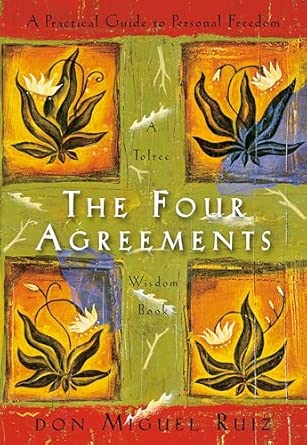 | Best for Simple Personal Principles | ASIN: 1878424319 | Title: The Four Agreements: A Practical Guide to Personal Freedom | Category: Self-help | VIEW LATEST PRICE | See Our Full Breakdown |
| 48 Laws of Power |  | Best for Strategic Social Dynamics | ASIN: B00X0TKUS0 | Title: 48 Laws of Power | Format: Book | VIEW LATEST PRICE | See Our Full Breakdown |
| The Let Them Theory |  | Best for Letting Go of Others’ Reactions | ASIN: B0DFMZMKFJ | Title: The Let Them Theory | Category: Self-help roundup | VIEW LATEST PRICE | See Our Full Breakdown |
| The Mountain Is You: Transforming Self-Sabotage into Self-Mastery | 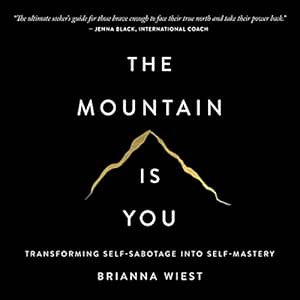 | Best for Understanding Self-Sabotage | ASIN: B09WXLQM7J | Title: The Mountain Is You: Transforming Self-Sabotage into Self-Mastery | Category: Self-help | VIEW LATEST PRICE | See Our Full Breakdown |
| The Art of Letting Go: Stop Overthinking, Stop Negative Spirals, and Find Emotional Freedom |  | Best for Overthinking and Negative Spirals | ASIN: B0C7RPFQCJ | Title: The Art of Letting Go: Stop Overthinking, Stop Negative Spirals, and Find Emotional Freedom | Category: Self-help | VIEW LATEST PRICE | See Our Full Breakdown |
| The Daily Stoic: 366 Meditations on Wisdom, Perseverance, and the Art of Living | 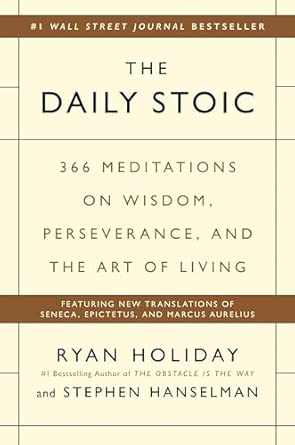 | Best for a Daily Reflection Practice | Title: The Daily Stoic: 366 Meditations on Wisdom, Perseverance, and the Art of Living | Author: Not provided | ASIN: 0735211736 | VIEW LATEST PRICE | See Our Full Breakdown |
| The Subtle Art of Not Giving a F*ck: A Counterintuitive Approach to Living a Good Life |  | Best for Challenging Your Priorities | Title: The Subtle Art of Not Giving a F*ck: A Counterintuitive Approach to Living a Good Life | Author: Not provided | ASIN: B01I29Y344 | VIEW LATEST PRICE | See Our Full Breakdown |
| The Body Keeps the Score: Brain, Mind, and Body in the Healing of Trauma |  | Best for Understanding Trauma and Recovery | Title: The Body Keeps the Score: Brain, Mind, and Body in the Healing of Trauma | Author: Not provided | ASIN: 0143127748 | VIEW LATEST PRICE | See Our Full Breakdown |
| Atomic Habits: An Easy & Proven Way to Build Good Habits and Break Bad Ones |  | Best for Practical Behavior Change | Title: Atomic Habits: An Easy & Proven Way to Build Good Habits and Break Bad Ones | Author: Not provided | ASIN: B07RFSSYBH | VIEW LATEST PRICE | See Our Full Breakdown |
| Ikigai: The Japanese Secret to a Long and Happy Life |  | Best for Exploring Purpose and Balance | Title: Ikigai: The Japanese Secret to a Long and Happy Life | Author: Not provided | ASIN: 0143130722 | VIEW LATEST PRICE | See Our Full Breakdown |
| Don’t Believe Everything You Think (Expanded Edition): Why Your Thinking Is the Beginning and End of Suffering |  | Best for Questioning Thought Patterns | Edition: Expanded Edition | Format: Not specified | Subject: Relationship between thinking and suffering | VIEW LATEST PRICE | See Our Full Breakdown |
| Make Your Bed: Little Things That Can Change Your Life…And Maybe the World |  | Best for Small Daily Actions | Title: Make Your Bed: Little Things That Can Change Your Life…And Maybe the World | Format: Not specified | Stated subject: Small daily actions | VIEW LATEST PRICE | See Our Full Breakdown |
| The Psychology of Money: Timeless Lessons on Wealth, Greed, and Happiness |  | Best for Money Mindset | Format: Book | Subject: Psychology of money | Key themes: Wealth, greed, and happiness | VIEW LATEST PRICE | See Our Full Breakdown |
| The 7 Habits of Highly Effective People: 30th Anniversary Edition |  | Best for Broad Personal and Professional Growth | Edition: 30th Anniversary Edition | Format: Not specified | Stated subject: Personal and professional growth | VIEW LATEST PRICE | See Our Full Breakdown |
| The Best Self-Help Book in the World: The Secrets of Positive People |  | Best for Readers Exploring Positivity | Title: The Best Self-Help Book in the World: The Secrets of Positive People | Format: Not specified | Stated subject: Habits and ideas of positive people | VIEW LATEST PRICE | See Our Full Breakdown |
| self-help book | ASIN | Format | Title |
|---|---|---|---|
| The Four Agreements: A Practic | 1878424319 | Book | The Four Agreements: A Practical Guide to Personal Freedom |
| 48 Laws of Power | B00X0TKUS0 | Book | 48 Laws of Power |
| The Let Them Theory | B0DFMZMKFJ | Not provided | The Let Them Theory |
| The Mountain Is You: Transform | B09WXLQM7J | — | The Mountain Is You: Transforming Self-Sabotage into Self-Mastery |
| The Art of Letting Go: Stop Ov | B0C7RPFQCJ | — | The Art of Letting Go: Stop Overthinking, Stop Negative Spirals, and Find Emotional Freedom |
| The Daily Stoic: 366 Meditatio | 0735211736 | Not provided | The Daily Stoic: 366 Meditations on Wisdom, Perseverance, and the Art of Living |
| The Subtle Art of Not Giving a | B01I29Y344 | Not provided | The Subtle Art of Not Giving a F*ck: A Counterintuitive Approach to Living a Good Life |
| The Body Keeps the Score: Brai | 0143127748 | Paperback | The Body Keeps the Score: Brain, Mind, and Body in the Healing of Trauma |
| Atomic Habits: An Easy & Prove | B07RFSSYBH | Not provided | Atomic Habits: An Easy & Proven Way to Build Good Habits and Break Bad Ones |
| Ikigai: The Japanese Secret to | 0143130722 | Paperback | Ikigai: The Japanese Secret to a Long and Happy Life |
| Don’t Believe Everything You T | B0DHJH6QHB | Not specified | — |
| Make Your Bed: Little Things T | 1455570249 | Not specified | Make Your Bed: Little Things That Can Change Your Life…And Maybe the World |
| The Psychology of Money: Timel | 0857197681 | Book | — |
| The 7 Habits of Highly Effecti | 1982137274 | Not specified | — |
| The Best Self-Help Book in the | B0HLMJ6F4R | Not specified | The Best Self-Help Book in the World: The Secrets of Positive People |
More Details on Our Top Picks
The Four Agreements: A Practical Guide to Personal Freedom
The Four Agreements suits readers who want a small set of ideas to revisit, rather than a step-by-step program. Its focus on personal freedom gives it a different role from Atomic Habits, which concentrates on changing behavior through routines, and The Mountain Is You, which addresses self-sabotage. This book is the more compact conceptual choice: it offers a framework for reflecting on how you communicate and respond to others.
The tradeoff is that the supplied product information gives no detail about exercises, chapter structure, or specific methods, so readers seeking a detailed workbook may prefer a more explicitly practical title. Its broad focus may also feel abstract to people who want targeted help with a particular problem. I’d choose it for a memorable set of principles, not as a substitute for a structured action plan.
Pros:- Centers on personal freedom, giving the book a clear self-help focus
- A principle-led approach can be easier to revisit than a long program
- Offers a different emphasis from behavior-focused titles such as Atomic Habits
Cons:- Provided product information does not establish whether it includes exercises or step-by-step guidance
- Its broad principles may feel abstract to readers seeking a focused solution
- May not meet the needs of readers looking for a structured behavior-change plan
Best for: Readers who want a concise, principle-led guide for reflecting on personal choices and relationships
Not ideal for: Readers seeking a detailed workbook, targeted mental-health guidance, or a step-by-step habit plan
- ASIN:1878424319
- Title:The Four Agreements: A Practical Guide to Personal Freedom
- Category:Self-help
- Stated focus:Personal freedom
- Named framework:The Four Agreements
- Format:Book
Our verdict“Choose this if you want a principle-led guide to personal freedom, but pick a more structured title if you need exercises and an action plan.”
48 Laws of Power
48 Laws of Power takes a more tactical, less inward-looking approach than most books in this lineup. Its 48 principles and historical examples aim to help readers interpret influence and hierarchy at work and in social settings. Compared with The Four Agreements, which centers personal conduct, this title focuses more directly on how power operates between people. That makes it a distinctive pick for readers who want to study strategy, not just build habits or emotional resilience.
The same perspective is its main drawback: some advice can read as manipulative or ethically uncomfortable, and the cynical tone will not suit everyone. It offers principles rather than a warm, step-by-step self-improvement program, so readers looking for encouragement or practical exercises may prefer The Mountain Is You. I’d treat it as a lens for analyzing behavior, not a rulebook for every relationship.
Pros:- Organizes its subject around 48 distinct principles
- Uses historical examples to illustrate ideas about strategy and human behavior
- Directly addresses influence and social or professional hierarchies
- Offers a markedly different perspective from introspective titles such as The Mountain Is You
Cons:- Some advice may encourage manipulative or unethical behavior
- Its cynical, Machiavellian tone can be off-putting
- A strategic framework may not provide the reflective exercises or emotional support some self-help readers want
Best for: Readers studying workplace hierarchy, negotiation, or influence who are comfortable evaluating morally ambiguous advice
Not ideal for: Readers seeking an empathetic self-help guide, relationship advice grounded in openness, or a non-cynical tone
- ASIN:B00X0TKUS0
- Title:48 Laws of Power
- Format:Book
- Subject:Power dynamics
- Central framework:48 laws
- Stated applications:Acquiring, defending, and maintaining influence
- Example style:Historical examples
Our verdict“Pick this to analyze power and influence with a critical eye, not if you want a warm or ethically straightforward personal-growth guide.”
The Let Them Theory
The Let Them Theory is a potential fit for readers drawn to a title centered on releasing control, but the supplied product data gives no description of its ideas, methods, or structure. That makes it difficult to judge how much practical guidance it offers. Compared with The Four Agreements, whose listing at least identifies personal freedom as its focus, this book’s specific self-help approach is less clear from the information provided.
I’ve assigned it a distinct role based on its title, not on unverified claims about its contents. Readers seeking help with self-sabotage have a clearer match in The Mountain Is You, whose description explicitly names that issue and promises practical strategies. Here, the key tradeoff is uncertainty: the title may appeal to someone seeking a letting-go theme, while buyers who need a defined method should check the edition’s contents before choosing. The limited product data also prevents a confident assessment of its exercises or intended audience.
Pros:- The title signals a clear letting-go theme
- May appeal to readers seeking a different focus from habit-building or self-sabotage
- Provides a distinct option within a roundup of varied self-help approaches
Cons:- No description or product details were supplied to verify its methods
- The intended reader and practical format are unclear from the available data
- Readers cannot compare its specific guidance confidently with better-described options
Best for: Readers specifically interested in a self-help book framed around letting go, provided they verify the book’s contents match their needs
Not ideal for: Readers who need confirmed details about methods, exercises, or the book’s approach before selecting a self-help title
- ASIN:B0DFMZMKFJ
- Title:The Let Them Theory
- Category:Self-help roundup
- Stated theme:Letting go, as indicated by the title
- Description supplied:None
- Format:Not provided
Our verdict“Consider it only if the letting-go theme matches your goal and you can confirm the book’s contents before buying.”
The Mountain Is You: Transforming Self-Sabotage into Self-Mastery
The Mountain Is You stands out for readers who recognize a gap between what they want and the habits or reactions that keep getting in their way. Its stated focus is specific: identifying the roots of self-sabotaging behavior and turning those patterns toward personal growth. That gives it a more targeted purpose than The Four Agreements, which is framed around broader principles of personal freedom, and a more inward focus than 48 Laws of Power, which examines influence between people.
The described strategies make this a stronger match for readers seeking reflection tied to change, rather than a general theory of social dynamics. The tradeoff is that the available product information does not specify what the strategies involve, how exercises are organized, or what kinds of self-sabotage receive the most attention. Readers looking for daily bite-sized prompts may prefer another format; those ready to examine recurring patterns may find this clearer in purpose than The Let Them Theory, whose details are not provided here.
Pros:- Directly addresses self-sabotaging behaviors
- Connects identifying patterns with personal growth and self-mastery
- The description says it offers practical strategies
- Has a more defined problem focus than broadly framed personal-freedom titles
Cons:- Available information does not detail the strategies or exercises
- Readers wanting a narrowly defined daily routine may need a different format
- The product data does not clarify which specific behaviors or situations receive attention
Best for: Readers who repeatedly undermine goals and want a self-help book focused on identifying and changing those patterns
Not ideal for: Readers seeking confirmed workbook details, short daily readings, or guidance focused mainly on social influence
- ASIN:B09WXLQM7J
- Title:The Mountain Is You: Transforming Self-Sabotage into Self-Mastery
- Category:Self-help
- Primary focus:Identifying and overcoming self-sabotage
- Stated approach:Practical strategies
- Stated outcome:Personal growth and self-mastery
Our verdict“Choose this if self-sabotage is the main pattern you want to understand and change, rather than seeking general principles or social strategy.”
The Art of Letting Go: Stop Overthinking, Stop Negative Spirals, and Find Emotional Freedom
The Art of Letting Go is the most directly aimed at repetitive thought patterns in this group: its title and description both center on overthinking, negative spirals, calm, and emotional freedom. That gives it a narrower, more immediate focus than The Mountain Is You, which looks at self-sabotage and its underlying causes. If the problem is getting caught in loops of thought, this book’s stated subject makes it the more direct match; if the issue is repeated behavior that derails goals, the Mountain may be a better fit.
The listing identifies a series, The Path to Calm, and labels this as Book 13, which may matter to readers who prefer a standalone entry or want to explore related books. Product information does not explain its techniques or whether prior series books are needed. I’d choose it for its targeted emotional-calming theme, while readers wanting a broader account of personal change may prefer The Four Agreements.
Pros:- Directly focuses on overthinking and negative thought spirals
- Sets a clear aim of greater calm and emotional freedom
- More specifically focused on repetitive thoughts than The Mountain Is You
- Identified as part of The Path to Calm series
Cons:- The product details do not describe the techniques or exercises
- Its series position as Book 13 may leave standalone context unclear
- A narrow focus on overthinking may not meet readers’ broader self-development needs
Best for: Readers who often overthink or fall into negative thought spirals and want a book centered on emotional calm
Not ideal for: Readers seeking a broad personal-growth framework, detailed methods confirmed in advance, or a clearly standalone first entry
- ASIN:B0C7RPFQCJ
- Title:The Art of Letting Go: Stop Overthinking, Stop Negative Spirals, and Find Emotional Freedom
- Category:Self-help
- Primary focus:Overthinking
- Related focus:Negative thought spirals
- Stated aim:Calm and emotional freedom
- Series:The Path to Calm
- Series book:13
Our verdict“Choose this for a focused approach to overthinking and negative spirals, but check whether its series context and unspecified methods suit you.”
The Daily Stoic: 366 Meditations on Wisdom, Perseverance, and the Art of Living
A brief meditation for every day of the year gives this book a more structured rhythm than idea-driven guides such as Atomic Habits. Each entry draws on Stoic thinkers and connects their ideas to present-day life, making it easier to return to a central theme—like resilience or judgment—in small doses. That format suits readers who want a regular prompt rather than a long sequence of exercises or a single step-by-step system. Compared with Ikigai, it focuses less on discovering a broad sense of purpose and more on practicing composure and deliberate response. The tradeoff is depth: the compact entries can feel repetitive, and readers seeking historical nuance or scholarly analysis may want a more substantial philosophy text.
Pros:- 366 entries provide a clear, year-long reading structure
- Short reflections are easy to fit into a daily routine
- Connects ancient Stoic ideas with contemporary situations
- Repeated exposure can reinforce practical themes such as resilience and perspective
Cons:- Brief entries offer limited room for scholarly context
- The daily format and recurring themes may feel repetitive
- Offers reflection prompts more than a detailed behavior-change plan
Best for: Readers who want a short, scheduled reflection to build a steady Stoic practice alongside a busy routine
Not ideal for: Readers seeking detailed academic treatment of ancient philosophy or a structured habit-change program
- Title:The Daily Stoic: 366 Meditations on Wisdom, Perseverance, and the Art of Living
- Author:Not provided
- ASIN:0735211736
- Format:Not provided
- Entry count:366 meditations
- Structure:One daily meditation for a year
- Focus:Wisdom, perseverance, and purposeful living
Our verdict“Choose it if you want a manageable daily Stoic prompt, but choose Atomic Habits for a more direct system for changing behavior.”
The Subtle Art of Not Giving a F*ck: A Counterintuitive Approach to Living a Good Life
This pick is aimed at readers who want a blunt challenge to their priorities, rather than a gentle daily practice like The Daily Stoic. Its central promise is a counterintuitive approach to living well, making it a fit for people questioning where they spend their attention and energy. Compared with Ikigai, which frames fulfillment through purpose and everyday balance, this book’s stated angle is more confrontational and focused on choosing what deserves concern. The available product information gives no further detail about its structure or specific methods, so I would not choose it expecting a clearly defined workbook or step-by-step program. Its provocative framing may also put off readers who prefer a measured tone, and the limited supplied details make it harder to judge the practical depth.
Pros:- Offers a counterintuitive framing of what makes a good life
- Its direct approach may prompt readers to question misplaced priorities
- Distinct in tone from reflective options such as The Daily Stoic
- Focuses on personal values rather than promising a narrow technical method
Cons:- The provocative framing may not suit readers who prefer a gentle tone
- Product information supplied here does not specify exercises or a practical framework
- Readers looking for a clearly staged program may find its approach too open-ended
Best for: Readers who respond to irreverent, direct challenges about priorities and want to rethink what merits their attention
Not ideal for: Readers who prefer a calm, evidence-led guide with clearly described exercises or a structured daily plan
- Title:The Subtle Art of Not Giving a F*ck: A Counterintuitive Approach to Living a Good Life
- Author:Not provided
- ASIN:B01I29Y344
- Format:Not provided
- Language:Not provided
- Approach:Counterintuitive approach to living a good life
Our verdict“Pick this for a forceful prompt to rethink your priorities, but skip it if you need a clearly documented, step-by-step self-help program.”
The Body Keeps the Score: Brain, Mind, and Body in the Healing of Trauma
Trauma recovery is the focus here, setting this book apart from broad life-guidance titles such as The Subtle Art of Not Giving a F*ck. It brings together scientific research and clinical examples to explain how trauma can affect the brain, mind, and body, then explores approaches to healing. That makes it a more specialized and information-rich choice than Ikigai, whose emphasis is purpose, happiness, and daily life. The added detail can help readers seeking context for trauma responses, but it also makes the book denser than a quick self-improvement read. Clinical examples may be distressing, particularly for readers with personal trauma histories. I’d choose it for informed understanding, not as a substitute for individualized professional care or a light, general-purpose motivation book.
Pros:- Explores trauma’s effects across the brain, mind, and body
- Combines scientific research with clinical examples
- Discusses healing approaches rather than only describing trauma
- Offers a specialized focus not found in broader purpose-oriented books like Ikigai
Cons:- Psychological concepts may feel dense to readers without relevant background
- Clinical examples may be distressing for some readers
- Its specialized focus is less suited to readers seeking everyday habit or productivity advice
Best for: Readers seeking a research-informed explanation of trauma and recovery, especially those comfortable with clinical material
Not ideal for: Readers wanting a light, general self-help read or those who may find clinical examples distressing
- Title:The Body Keeps the Score: Brain, Mind, and Body in the Healing of Trauma
- Author:Not provided
- ASIN:0143127748
- Format:Paperback
- Subject:Trauma and recovery
- Coverage:Effects of trauma on the brain, mind, and body
- Approach:Scientific research and clinical examples
Our verdict“Choose this for a substantial, research-informed look at trauma and healing, not for a light or broadly motivational self-help read.”
Atomic Habits: An Easy & Proven Way to Build Good Habits and Break Bad Ones
Clear habit-building is this book’s defining role: its stated focus is helping readers build good habits and break bad ones. That makes it a more action-oriented pick than The Daily Stoic, whose daily meditations encourage reflection, or Ikigai, which centers on purpose and balance. I’d place it high for readers who have a specific routine they want to change and prefer a practical guide over a philosophical or cultural exploration. The title promises an accessible approach, though the supplied product details don’t spell out individual techniques, chapter structure, or supporting evidence, so I’m not assuming a particular system beyond its stated focus. It is also narrower than a broad guide to happiness: readers working through trauma or questions of meaning may need a more specialized book.
Pros:- Directly addresses building good habits and breaking bad ones
- A practical behavior-change focus distinguishes it from reflective titles
- The title positions the approach as accessible
- Fits readers who want to work on routines rather than explore a broad life philosophy
Cons:- The supplied product details do not identify specific techniques or exercises
- Its habit focus may feel narrow for readers seeking broader emotional or existential guidance
- Does not serve the specialized trauma focus of The Body Keeps the Score
Best for: Readers with a specific behavior or routine they want to build or stop, and who prefer practical habit guidance
Not ideal for: Readers primarily seeking trauma-recovery information, philosophical reflection, or guidance on finding life purpose
- Title:Atomic Habits: An Easy & Proven Way to Build Good Habits and Break Bad Ones
- Author:Not provided
- ASIN:B07RFSSYBH
- Format:Not provided
- Language:Not provided
- Focus:Building good habits and breaking bad ones
Our verdict“Choose it when your main goal is changing a routine; look to The Daily Stoic or Ikigai for reflection and purpose instead.”
Ikigai: The Japanese Secret to a Long and Happy Life
Purpose and everyday balance give this book a different job from the habit-centered Atomic Habits. It introduces ikigai as a reason for being and draws on the lifestyle of people in Okinawa to explore happiness and longevity, pairing an accessible narrative with practical advice. That cultural lens makes it a more contemplative choice than The Daily Stoic, which organizes its guidance into daily philosophical reflections. I’d recommend it to readers who want a broad prompt for thinking about what makes life meaningful, rather than a tightly defined behavior-change program. The tradeoff is that some advice may feel simple, and the supplied description notes limited scientific backing for some claims. Readers wanting rigorous research or detailed instructions may find its general approach less satisfying.
Pros:- Explores purpose through the idea of ikigai
- Uses an accessible narrative style
- Offers a cultural perspective connected to life in Okinawa
- Provides practical advice on purpose and balance in daily life
Cons:- Some advice may feel simplistic to readers seeking detailed guidance
- The supplied description notes limited scientific support for some claims
- Less directly focused on changing specific habits than Atomic Habits
Best for: Readers looking for accessible reflection on purpose, daily balance, and cultural perspectives on happiness
Not ideal for: Readers who want a rigorous scientific case for longevity or a detailed, step-by-step behavior-change system
- Title:Ikigai: The Japanese Secret to a Long and Happy Life
- Author:Not provided
- ASIN:0143130722
- Format:Paperback
- Language:English
- Core concept:Ikigai, or reason for being
- Focus:Purpose, happiness, and daily balance
- Cultural perspective:Lifestyle of people in Okinawa, Japan
Our verdict“Choose it for approachable reflection on meaning and balance, but pick Atomic Habits if you want a more targeted guide to changing routines.”
Don’t Believe Everything You Think (Expanded Edition): Why Your Thinking Is the Beginning and End of Suffering
I’d choose this Expanded Edition for a reader whose main self-help goal is to examine how thinking relates to suffering. Its focus is narrower than The Mountain Is You, which addresses self-sabotage, and less routine-driven than Atomic Habits. That makes it a better fit for someone seeking a perspective on their thoughts than a step-by-step behavior-change plan. The title signals a challenging premise, but the product information provided does not describe its specific exercises, structure, or methods, so I would not count on a detailed workbook experience. The expanded edition is its clearest distinguishing detail; without further edition information, I can’t say what additional material it contains. Choose it for its focused subject, not for promises of a particular technique.
Pros:- Directly addresses the connection between thought and suffering
- The Expanded Edition is clearly identified
- A focused subject may suit readers who want to explore one central question
- Offers a contrasting angle to behavior-centered books such as Atomic Habits
Cons:- The supplied description does not explain its methods or chapter structure
- No specific exercises or practical tools are listed
- The title’s broad premise may not suit readers looking for a narrowly defined problem-solving guide
Best for: Readers who want a focused self-help perspective on the relationship between thinking and emotional suffering
Not ideal for: Readers seeking a clearly described exercise program, habit tracker, or practical step-by-step plan, since those features are not specified
- Edition:Expanded Edition
- Format:Not specified
- Subject:Relationship between thinking and suffering
- Stated focus:Thinking as a beginning and end of suffering
- ASIN:B0DHJH6QHB
- Author:Not specified in provided product data
Our verdict“Pick this Expanded Edition if you want to examine how thinking may shape suffering, but choose Atomic Habits instead if you want a clearly behavior-focused approach.”
Make Your Bed: Little Things That Can Change Your Life…And Maybe the World
I’d put Make Your Bed on the list for readers who want self-help framed around small, everyday actions rather than a broad theory of personal growth. Its premise connects a manageable daily task with a wider sense of agency, giving it a more concrete starting point than The 7 Habits of Highly Effective People, whose scope is broader. The tradeoff is that the product information offers no chapter details or evidence of a structured program, so buyers should not assume it functions like a detailed habit-building manual. Compared with Atomic Habits, this description points to a simple-action philosophy, not a specified system for tracking or sustaining behavior. It makes the most sense as an accessible prompt to act, rather than a complete guide to changing every part of your routine.
Pros:- Centers on small actions that readers can relate to daily life
- Connects personal routines with a broader influence on the surrounding world
- Offers a more concrete starting point than broad personal-growth frameworks
- Its central idea is easy to understand from the product description
Cons:- The supplied product data gives no chapter outline or method details
- No exercises, tracking tools, or structured program are specified
- Readers seeking a wide-ranging framework may find the stated focus limited
Best for: Readers who want an accessible reminder to build agency through manageable actions in everyday life
Not ideal for: Readers who need a detailed habit system, worksheets, or a clearly described sequence of exercises
- Title:Make Your Bed: Little Things That Can Change Your Life…And Maybe the World
- Format:Not specified
- Stated subject:Small daily actions
- Personal focus:How everyday actions can shape a life
- Broader focus:How actions may influence the surrounding world
- ASIN:1455570249
Our verdict“Choose this if you want a simple daily-action message, and look to Atomic Habits for a more explicitly structured approach to behavior change.”
The Psychology of Money: Timeless Lessons on Wealth, Greed, and Happiness
The Psychology of Money earns its place as a self-help pick for readers who see financial choices as part of their everyday behavior, not just a matter of calculations. Its emphasis on habits, greed, and happiness makes it more accessible to a general audience than a technical investment manual, and distinct from broad personal-development titles such as The 7 Habits of Highly Effective People. That accessibility is also a limit: the supplied description says it offers behavioral lessons, not advanced investment strategies. Some ideas may feel familiar to experienced investors, so I’d favor it for someone building a healthier financial outlook rather than someone seeking specialist portfolio guidance. Among these choices, it has one of the clearest defined subject areas, but its usefulness depends on wanting reflection and behavior guidance over detailed financial instruction.
Pros:- Explains financial choices through behavior rather than complex mathematics
- Addresses wealth, greed, and happiness in one defined subject area
- The description presents its lessons as accessible to readers with varied financial backgrounds
- Connects personal development to everyday money decisions
Cons:- The supplied description does not promise specific investment strategies
- Some ideas may feel repetitive to experienced investors
- Readers seeking technical financial instruction may need a more specialized book
Best for: Readers who want to improve financial habits and understand the emotional side of wealth without advanced technical instruction
Not ideal for: Experienced investors looking for specific investment strategies, technical analysis, or specialized portfolio guidance
- Format:Book
- Subject:Psychology of money
- Key themes:Wealth, greed, and happiness
- Stated approach:Behavioral lessons rather than complex mathematics
- Intended accessibility:Readers across financial backgrounds
- ASIN:0857197681
Our verdict“Choose this for a readable guide to money behavior and mindset, not for advanced investment tactics or a broad life-planning framework.”
The 7 Habits of Highly Effective People: 30th Anniversary Edition
I’d choose The 7 Habits of Highly Effective People for readers who want a broad framework that connects personal development with work and relationships. The supplied description highlights principles, structure, and clear examples, giving it a wider remit than the more focused The Psychology of Money. That breadth can be useful if you want one book to address several areas of effectiveness, but it may feel less directly targeted than a title devoted to a single problem. A stated drawback is that some concepts can seem dated to modern readers, which makes it a less natural fit for anyone seeking contemporary language or a narrowly current workplace guide. The 30th Anniversary Edition identifies this edition, but no further edition-specific additions are described in the provided data.
Pros:- Covers personal and professional growth rather than a single narrow topic
- The supplied description identifies a clear structure
- Includes examples, according to the product information
- The anniversary edition is explicitly identified
Cons:- Some concepts may feel dated to modern readers
- Its broad scope may be less direct than a focused guide such as The Psychology of Money
- The provided data does not specify what, if anything, was added for this edition
Best for: Readers seeking a structured set of personal and professional growth principles supported by examples
Not ideal for: Readers who prefer contemporary workplace guidance or a focused book addressing one specific challenge
- Edition:30th Anniversary Edition
- Format:Not specified
- Stated subject:Personal and professional growth
- Framework:Seven habits
- Structure:Well-structured, according to the supplied product data
- Examples:Clear examples, according to the supplied product data
- ASIN:1982137274
Our verdict“Choose this for a structured, wide-ranging growth framework if you can accept ideas that may feel dated beside more focused contemporary titles.”
The Best Self-Help Book in the World: The Secrets of Positive People
The Best Self-Help Book in the World is the most broadly framed choice in this group: its stated subject is the habits and ideas of positive people, but the supplied description gives no further account of its approach. That makes it harder to compare on practical detail with Make Your Bed, which at least identifies small daily actions as its focus, or with The Psychology of Money, which names a specific behavioral subject. I’d consider this title only if you want a general exploration of positivity and are comfortable choosing without a chapter outline, exercises, or format details. Its broad promise may appeal to readers who have not settled on one self-help topic, but buyers seeking a defined method or clearly explained tools have less information here to guide them.
Pros:- Has a stated focus on the habits and ideas of positive people
- May appeal to readers exploring positivity as a general self-help topic
- The subject is distinct from the money-focused approach of The Psychology of Money
Cons:- The supplied description provides no details about its methods or structure
- No exercises or practical tools are specified
- Format and edition information are not provided
Best for: Readers curious about positive people’s habits and ideas who are comfortable with limited product detail
Not ideal for: Readers who want a verified outline, specific exercises, or a clearly described method before choosing a self-help book
- Title:The Best Self-Help Book in the World: The Secrets of Positive People
- Format:Not specified
- Stated subject:Habits and ideas of positive people
- Edition:Not specified
- Author:Not specified in provided product data
- ASIN:B0HLMJ6F4R
Our verdict“Consider this if your main interest is positivity, but choose Make Your Bed if you want a more clearly stated focus on everyday actions.”

How We Picked
I compared these 15 books by how clearly they serve a reader’s self-help goal, how practical their ideas are to apply, and how much guidance they offer beyond motivation. I also weighed readability, scope, and whether a book suits a first-time reader or assumes interest in a particular subject, such as trauma, money, or Stoic thought. The strongest placements go to books with a clearly defined purpose and ideas readers can carry into daily life.
The ranking favors breadth and practical usefulness for the top overall position, while distinct needs earn their own recommendations. A focused book can be a better fit than a broad one, but it ranks lower overall if its subject or approach serves a narrower audience. I also account for tradeoffs: a sweeping framework may take more commitment, while a concise or reflective book may offer less step-by-step direction.
| self-help book | Format |
|---|---|
| The Four Agreements: A Practic | Book |
| 48 Laws of Power | Book |
| The Let Them Theory | Not provided |
| The Mountain Is You: Transform | — |
| The Art of Letting Go: Stop Ov | — |
| The Daily Stoic: 366 Meditatio | Not provided |
| The Subtle Art of Not Giving a | Not provided |
| The Body Keeps the Score: Brai | Paperback |
| Atomic Habits: An Easy & Prove | Not provided |
| Ikigai: The Japanese Secret to | Paperback |
| Don’t Believe Everything You T | Not specified |
| Make Your Bed: Little Things T | Not specified |
| The Psychology of Money: Timel | Book |
| The 7 Habits of Highly Effecti | Not specified |
| The Best Self-Help Book in the | Not specified |
Factors to Consider When Choosing Best Self-help Books
Before choosing from the best self-help books, decide what kind of help you expect a book to provide. The right match depends on your goal, your appetite for exercises, and whether you want a focused tool or a wider philosophy.
Start With One Specific Outcome
Choose a book around a change you can describe, such as building a routine, handling rumination, or understanding money decisions. Broad goals like “improve my life” make it harder to tell whether a book is useful. A focused choice also gives you a way to judge progress beyond finishing the final page. Avoid buying several books on the same issue before trying one approach. If the problem involves trauma or serious distress, a general self-help book should not replace qualified support.
Decide How Much Structure You Want
Some readers benefit from prompts, steps, and repeated practices; others prefer ideas they can think through at their own pace. A structured book can turn reading into action, but it may feel rigid if its method does not fit your circumstances. A reflective book leaves more room for interpretation, though that freedom can make follow-through harder. Look for sample pages or a contents list to see whether the author offers exercises, a sequence, or mostly essays and principles. Choose the format you are likely to use, not the one that sounds most ambitious.
Match the Book’s Scope to Your Time
A wide-ranging framework can connect work, relationships, and personal priorities, but it may take longer to absorb than a book centered on one behavior. Shorter books can be easier to finish, yet brevity may leave fewer examples or less guidance for adapting the message. Think about whether you want one idea to practice this week or a system to revisit over months. A book that covers many areas is not automatically more helpful for a narrow problem. Let the size and scope of the commitment match the change you are ready to make.
Self-help books use different foundations: personal stories, philosophical traditions, behavioral techniques, or discussion of psychological research. Those approaches offer different kinds of insight, and none should be treated as a universal answer. Check the introduction, notes, and bibliography when the topic involves health or mental well-being. Be cautious of sweeping promises or claims that one method works for everyone. A book can be thought-provoking without serving as clinical advice or a substitute for professional care.
Choose a Format You Will Return To
Daily readings, a continuous argument, and exercises each create a different reading rhythm. A short daily entry can fit a busy schedule, while a longer chapter may suit someone who prefers sustained focus. If you expect to revisit a book, check whether its organization makes it easy to find a passage or practice again. Audio can work well for narrative material, while exercises may be easier to complete in print or digitally with notes. The most useful format is the one that supports your actual routine.
Treat Follow-Through as Part of the Purchase
Reading more titles is not always better than applying one idea consistently. Pick a small action from the book and decide when you will try it before moving to another title. Keep expectations realistic: a book can offer language and tools, but it cannot make decisions or practice on your behalf. If an approach does not fit after a fair attempt, that may signal a mismatch rather than a personal failure. Pay more attention to clarity and suitability than to promises of a total life overhaul.
Frequently Asked Questions
Which self-help book should I read first if I have never read one?
Start with a book whose goal is specific and whose style feels approachable to you. If you want practical behavior change, Atomic Habits is a clear entry point; if you prefer short reflections, Make Your Bed may feel easier to approach. Read a sample before committing, since tone and structure affect whether you will keep going. You do not need to start with the most famous or broadest title. One book that matches your current need is a better first step than a stack of unrelated advice.
Are self-help books a substitute for therapy or medical care?
No. Books can offer concepts, reflection prompts, and practical ideas, but they cannot assess your circumstances or provide individual care. This distinction matters most for trauma, persistent distress, or symptoms that disrupt daily life. A title such as The Body Keeps the Score addresses trauma, but reading it is not the same as receiving treatment. Consider discussing a book’s ideas with a qualified professional if they bring up difficult reactions or questions.
Should I choose an audiobook or a print or digital copy?
Choose based on how you plan to use the book. Audiobooks can suit narrative and idea-driven reading, especially when listening fits your routine. Print or digital copies are often more convenient for marking passages, writing answers, and revisiting exercises. For a book with practices you want to repeat, access to the text may make application easier. If you are unsure, sample the audio and written versions before choosing a format.
Is a book with a broad life philosophy better than one focused on a single problem?
Neither approach is automatically better; they answer different needs. A broad framework can help when you want to connect several areas of life, but it may feel diffuse if you have one immediate goal. A focused title can give that goal more attention, though its ideas may not transfer to other challenges. Decide whether you want a guiding perspective or tools for a defined situation. If your needs change, you can choose another book later rather than expecting one title to cover everything.
How can I tell whether a self-help book is practical rather than motivational?
Check whether the book explains what to do after presenting an idea. Exercises, examples, repeatable practices, and guidance for common obstacles can signal practical direction. Motivational writing may still be useful, but it can leave readers to turn inspiration into a plan on their own. Look at a sample chapter and the contents page to judge how much of the book is instruction versus encouragement. A practical book should give you a next step that fits your situation, not just a promise of change.
Conclusion
For the best overall balance of focus and action, choose Atomic Habits. Best for a broad framework: The 7 Habits of Highly Effective People, especially if you want ideas spanning personal and professional life. Best for beginners: Make Your Bed offers a direct, accessible starting point, while best value in practical ideas goes to Atomic Habits for readers seeking tools they can apply to daily routines. For a specific need, pick The Body Keeps the Score for learning about trauma, The Psychology of Money for financial behavior, or The Daily Stoic for regular philosophical reflection. Choose the book that matches the change you want to make now, rather than the one that promises to address every part of life.
Halloween Picks
halloween
As an affiliate, we earn on qualifying purchases.