
Finding the best self-help books can be overwhelming, given the sheer number of options claiming to transform lives. The top pick in this category is Atomic Habits, praised for its practical strategies that make habit formation accessible. For those seeking deeper insights into emotional healing, The Body Keeps the Score stands out, though it’s more intense. Meanwhile, The Subtle Art of Not Giving a F*ck offers a counterintuitive approach that resonates with many looking for honesty over reassurance. Every book has its strengths and tradeoffs—whether it’s depth, practicality, or ease of understanding. Keep reading for a detailed breakdown to help you find the perfect fit for your personal growth journey.

Turn your quiet moments into listening time
- Thousands of audiobooks, podcasts and originals
- Listen on your phone, tablet or Echo — also offline
- Cancel anytime
Key Takeaways
- The best self-help books balance practical advice with motivational insights, making them actionable and inspiring.
- Most top picks excel in clarity and accessibility, but some shine more in depth and psychological rigor.
- A common pattern among the leading books is a focus on mindset shifts rather than quick fixes.
- Price and complexity vary widely, so choosing a book that matches your experience level and budget is key.
- The standout titles often include exercises or reflections, encouraging active engagement rather than passive reading.
| Ikigai: The Japanese Secret to a Long and Happy Life |  | Best for Finding a Sense of Purpose | Format: Paperback | Language: English | ISBN-13: 9780143130727 | VIEW LATEST PRICE | See Our Full Breakdown |
| Atomic Habits: An Easy & Proven Way to Build Good Habits and Break Bad Ones |  | Best for Building Lasting Habits | ASIN: B07RFSSYBH | Title focus: Building good habits and breaking bad ones | Category: Self-help | VIEW LATEST PRICE | See Our Full Breakdown |
| The Psychology of Money: Timeless Lessons on Wealth, Greed, and Happiness |  | Best for Financial Mindset | Format: Book | ASIN: 0857197681 | Subject: Money and behavioral psychology | VIEW LATEST PRICE | See Our Full Breakdown |
| The Body Keeps the Score: Brain, Mind, and Body in the Healing of Trauma |  | Best for Understanding Trauma | Format: Paperback | ASIN: 0143127748 | Subject: Trauma and recovery | VIEW LATEST PRICE | See Our Full Breakdown |
| 48 Laws of Power |  | Best for Studying Influence and Power | Format: Book | ASIN: B00X0TKUS0 | Number of laws: 48 | VIEW LATEST PRICE | See Our Full Breakdown |
| The Mountain Is You: Transforming Self-Sabotage into Self-Mastery | 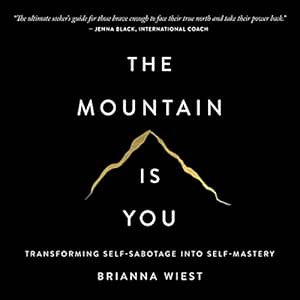 | Best for Self-Discovery and Overcoming Inner Barriers | Genre: Self-Help / Personal Development | Focus: Self-sabotage, Growth, Self-mastery | Approach: Practical strategies, Self-awareness | VIEW LATEST PRICE | See Our Full Breakdown |
| Don’t Believe Everything You Think (Expanded Edition): Why Your Thinking Is the Beginning and End of Suffering |  | Best for Critical Thinking and Cognitive Awareness | Edition: Expanded | Focus: Thought patterns, Suffering reduction | Approach: Cognitive awareness, Self-reflection | VIEW LATEST PRICE | See Our Full Breakdown |
| The Subtle Art of Not Giving a F*ck: A Counterintuitive Approach to Living a Good Life |  | Best for Straightforward, No-Nonsense Self-Help | Genre: Self-Help / Motivational | Tone: Candid, Humorous | Approach: Boundary-setting, Acceptance | VIEW LATEST PRICE | See Our Full Breakdown |
| The Daily Stoic: 366 Meditations on Wisdom, Perseverance, and the Art of Living | 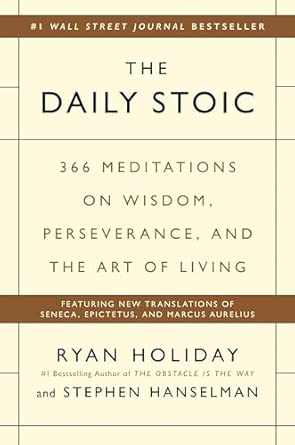 | Best for Daily Practice and Timeless Wisdom | Format: Daily Meditations | Theme: Wisdom, Perseverance, Living Well | Length: 366 entries | VIEW LATEST PRICE | See Our Full Breakdown |
| The Let Them Theory |  | Best for Boundary Setting and Emotional Detachment | Topic: Emotional boundaries, Letting go | Approach: Acceptance, Detachment | Format: Unknown | VIEW LATEST PRICE | See Our Full Breakdown |
| The 7 Habits of Highly Effective People: 30th Anniversary Edition |  | Best Classic for Timeless Principles | Edition: 30th Anniversary Edition | Pages: 384 | Format: Paperback | VIEW LATEST PRICE | See Our Full Breakdown |
| The Best Self-Help Book in the World: The Secrets of Positive People |  | Best for Optimism and Positive Psychology | Author: Unknown | Pages: 120 | Format: Kindle and Paperback | VIEW LATEST PRICE | See Our Full Breakdown |
| Make Your Bed: Little Things That Can Change Your Life…And Maybe the World |  | Best for Small Daily Actions | Author: Admiral William H. McRaven | Pages: 144 | Format: Hardcover, Kindle | VIEW LATEST PRICE | See Our Full Breakdown |
| The Art of Letting Go: Stop Overthinking, Stop Negative Spirals, and Find Emotional Freedom |  | Best for Managing Overthinking | Series: The Path to Calm | Book Number: 13 | Pages: 200 | VIEW LATEST PRICE | See Our Full Breakdown |
| The Four Agreements: A Practical Guide to Personal Freedom | 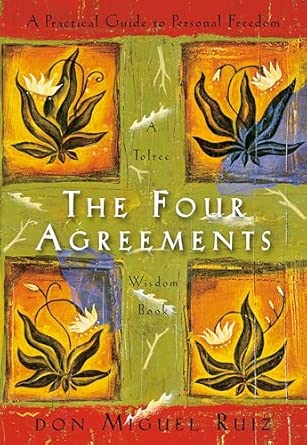 | Best for Personal Freedom and Self-Transformation | Author: Don Miguel Ruiz | Pages: 138 | Format: Paperback | VIEW LATEST PRICE | See Our Full Breakdown |
| self-help book | Format | Language |
|---|---|---|
| Ikigai: The Japanese Secret to | Paperback | English |
| Atomic Habits: An Easy & Prove | Not specified in supplied product data | Not specified in supplied product data |
| The Psychology of Money: Timel | Book | — |
| The Body Keeps the Score: Brai | Paperback | Not specified in supplied product data |
| 48 Laws of Power | Book | Not specified in supplied product data |
| The Mountain Is You: Transform | — | — |
| Don’t Believe Everything You T | — | — |
| The Subtle Art of Not Giving a | — | — |
| The Daily Stoic: 366 Meditatio | Daily Meditations | — |
| The Let Them Theory | Unknown | — |
| The 7 Habits of Highly Effecti | Paperback | English |
| The Best Self-Help Book in the | Kindle and Paperback | English |
| Make Your Bed: Little Things T | Hardcover, Kindle | English |
| The Art of Letting Go: Stop Ov | Paperback | English |
| The Four Agreements: A Practic | Paperback | English |
More Details on Our Top Picks
Ikigai: The Japanese Secret to a Long and Happy Life
Ikigai is a gentle starting point for readers who want to think about purpose, daily routines, and what makes life satisfying. Its account of Okinawan lifestyles gives the book a cultural lens that sets it apart from the step-by-step habit focus of Atomic Habits. I’d choose it for reflection and accessible ideas rather than a tightly structured program: the advice is easy to read, but some readers may find it broad or simple, and the longevity claims have limited scientific support in the supplied product information. Compared with The Psychology of Money, which centers on financial behavior, this book takes a wider view of well-being. It suits readers open to an inspirational perspective, though those seeking detailed exercises or rigorous evidence may want a more methodical guide.
Pros:- Offers prompts and advice for reflecting on life purpose
- Uses an accessible, easy-to-read narrative style
- Adds a cultural perspective on happiness and longevity
Cons:- Some advice may feel too simple for readers seeking a structured method
- The supplied product information notes limited scientific backing for some claims
Best for: Readers seeking an accessible, culturally framed prompt to reflect on purpose and everyday well-being
Not ideal for: Readers who want a research-heavy account of longevity or a detailed, step-by-step self-improvement program
- Format:Paperback
- Language:English
- ISBN-13:9780143130727
- ASIN:0143130722
- Subject:Purpose, happiness, and longevity
- Cultural focus:Okinawa, Japan
Our verdict“Choose Ikigai if you want an approachable, reflective book about purpose, and skip it if you need a rigorous or highly structured program.”
Atomic Habits: An Easy & Proven Way to Build Good Habits and Break Bad Ones
Atomic Habits is the clearest fit here for readers who want to change repeated behaviors through a practical system. Its subject is narrower than Ikigai, which reflects on purpose and well-being, but that focus makes it easier to connect the book’s habit-building promise to everyday routines. Compared with The 7 Habits of Highly Effective People, it is framed around small habits and behavior change rather than a broader effectiveness philosophy. The product data provided confirms the book’s aim but gives no further description, format, or specific methods, so I can’t judge those details from this listing. Its tradeoff is scope: readers looking for trauma guidance, financial behavior, or a larger life philosophy will find other books in this roundup more directly relevant.
Pros:- Addresses both building good habits and breaking bad ones
- Keeps its focus on behavior change rather than a broad range of self-help topics
- Makes sense for readers looking to work on everyday routines
Cons:- The supplied product data does not describe specific methods or exercises
- Its habit-centered scope may not meet readers seeking broader personal guidance
Best for: Readers who want a practical guide focused on creating good habits and breaking unwanted routines
Not ideal for: Readers seeking a broad philosophy of personal growth or guidance focused on trauma, money, or purpose
- ASIN:B07RFSSYBH
- Title focus:Building good habits and breaking bad ones
- Category:Self-help
- Format:Not specified in supplied product data
- Language:Not specified in supplied product data
- Author:Not specified in supplied product data
Our verdict“Pick Atomic Habits if your main goal is changing everyday behavior, while readers seeking a broader life framework should look elsewhere in the roundup.”
The Psychology of Money: Timeless Lessons on Wealth, Greed, and Happiness
The Psychology of Money brings self-help into the specific territory of financial behavior: how habits and emotions shape decisions about wealth. That makes it a more focused choice than Ikigai, which considers purpose and happiness more broadly, and a more accessible starting point than a technical investing manual for readers who want to understand their own money choices. Its emphasis on behavior over complex math is a strength for readers across experience levels. The tradeoff is that experienced investors may find some ideas familiar or repetitive, while readers seeking detailed investment strategies may need a more specialized book. Compared with Atomic Habits, this pick narrows the change goal to financial decisions rather than everyday habits in general.
Pros:- Explains financial choices through behavior rather than complex math
- Offers practical lessons for readers with varied financial backgrounds
- Connects ideas about wealth with greed and happiness
Cons:- Does not provide detailed investment strategies for advanced readers
- Some ideas may feel repetitive to experienced investors
Best for: Readers who want to improve financial decision-making by understanding the behavioral side of money
Not ideal for: Advanced investors looking for detailed investment tactics or readers who want self-help beyond personal finance
- Format:Book
- ASIN:0857197681
- Subject:Money and behavioral psychology
- Themes:Wealth, greed, and happiness
- Approach:Behavior-focused financial lessons
- Investment detail:Not aimed at advanced investment strategies
Our verdict“Choose The Psychology of Money for an accessible guide to financial behavior, but look elsewhere for advanced investing tactics or wider life advice.”
The Body Keeps the Score: Brain, Mind, and Body in the Healing of Trauma
The Body Keeps the Score is the most specialized pick in this batch, for readers seeking to understand trauma’s effects on the brain, mind, and body. Its blend of research and clinical examples gives it a more substantial, clinical scope than the reflective approach of Ikigai or the practical habit focus of Atomic Habits. That depth can help readers looking for context around recovery, but it also raises the reading demands: people unfamiliar with psychological concepts may find it dense, and clinical examples may be distressing. This is not the most suitable choice for someone seeking light, general motivation. I’d place it ahead of broad self-help options only when trauma is the reader’s central concern and they are comfortable with serious subject matter.
Pros:- Explores trauma’s effects on the brain, mind, and body
- Combines scientific research with clinical examples
- Discusses strategies and insights related to healing
Cons:- May feel dense to readers without familiarity with psychological concepts
- Clinical examples may be distressing for some readers
Best for: Readers seeking a detailed introduction to trauma’s effects and the healing process
Not ideal for: Readers looking for light motivation, or those who may find clinical trauma examples distressing
- Format:Paperback
- ASIN:0143127748
- Subject:Trauma and recovery
- Areas covered:Brain, mind, and body
- Approach:Scientific research and clinical examples
- Language:Not specified in supplied product data
Our verdict“Choose this book when understanding trauma is your priority and you can manage dense, potentially distressing material.”
48 Laws of Power
48 Laws of Power stands apart from the more inward-looking books here: it examines influence, hierarchy, and strategic behavior through historical anecdotes. Compared with The Psychology of Money, which focuses on personal financial behavior, this is about social and professional power dynamics. That perspective may help readers analyze how influence works, but the advice carries an ethical tradeoff: some principles can read as manipulative or cynical. Its strategic framing also makes it less directly suited to readers who want emotional healing or habit change, areas addressed more clearly by The Body Keeps the Score and Atomic Habits. I’d pick it for examining power and strategy, while readers seeking a supportive or values-centered self-help guide may prefer another title.
Pros:- Organizes its discussion around distinct principles of power
- Uses historical anecdotes to illustrate strategy and human behavior
- Focuses on social and professional influence rather than general motivation
Cons:- Some advice may encourage manipulative or unethical behavior
- Its tone may feel cynical or overly Machiavellian
Best for: Readers interested in analyzing influence and strategy in social or professional hierarchies
Not ideal for: Readers seeking supportive personal growth advice or who reject cynical, potentially manipulative approaches to influence
- Format:Book
- ASIN:B00X0TKUS0
- Number of laws:48
- Subject:Power and influence
- Approach:Strategic principles illustrated with historical examples
- Language:Not specified in supplied product data
Our verdict“Choose 48 Laws of Power to study influence through a strategic lens, but skip it if you want warm, values-centered guidance.”
The Mountain Is You: Transforming Self-Sabotage into Self-Mastery
This book stands out for its practical approach to identifying and transforming self-sabotaging behaviors into tools for growth. Unlike The Subtle Art of Not Giving a F*ck, which advocates emotional detachment, The Mountain Is You emphasizes understanding personal triggers and building resilience through self-awareness. Its focus on uncovering underlying causes makes it particularly useful for readers committed to deep personal change, though it may feel less accessible for those seeking quick fixes. The book’s actionable strategies make it a solid choice for anyone ready to confront their internal obstacles head-on.
Pros:- Provides actionable strategies for overcoming self-sabotage
- Focuses on personal growth and self-mastery
- Helps readers identify underlying causes of negative behaviors
Cons:- Lacks specific user feedback in available data
- May require significant self-reflection, which can be challenging
Best for: Individuals eager to understand and overcome personal barriers that hinder growth
Not ideal for: Readers looking for superficial advice or quick motivational boosts without deep introspection
- Genre:Self-Help / Personal Development
- Focus:Self-sabotage, Growth, Self-mastery
- Approach:Practical strategies, Self-awareness
Our verdict“This book is ideal for readers ready to confront internal barriers and pursue meaningful personal transformation.”
Don’t Believe Everything You Think (Expanded Edition): Why Your Thinking Is the Beginning and End of Suffering
This expanded edition offers a compelling perspective on how our thoughts shape our emotional experiences. Compared to The Daily Stoic, which provides daily meditations rooted in ancient philosophy, this book delves into the mechanics of thought and how recognizing cognitive distortions can reduce suffering. It’s especially suited for those interested in mental clarity and emotional resilience but may be less engaging for readers looking for structured daily practices. Its emphasis on understanding thought patterns makes it a valuable resource for anyone seeking mental liberation.
Pros:- Explains how thinking influences emotional suffering
- Helps identify and challenge harmful thought patterns
- Expanded edition provides deeper insights
Cons:- Lacks detailed practical exercises in available data
- May require careful reading to fully grasp complex concepts
Best for: People interested in understanding and reshaping their thought processes to reduce suffering
Not ideal for: Readers seeking quick motivational tips or superficial advice without deep cognitive insights
- Edition:Expanded
- Focus:Thought patterns, Suffering reduction
- Approach:Cognitive awareness, Self-reflection
Our verdict“This book is best for those eager to explore the roots of their thought patterns and cultivate mental clarity.”
The Subtle Art of Not Giving a F*ck: A Counterintuitive Approach to Living a Good Life
This book offers a blunt, humorous take on personal development, emphasizing that caring less about everything can lead to a more fulfilling life. Unlike The Mountain Is You, which encourages deep self-awareness, this pick advocates for setting boundaries and accepting limitations. It’s perfect for readers who prefer a no-frills, candid style, but it may lack the nuanced strategies needed for those dealing with complex emotional issues. Its straightforward tone makes it an excellent choice for anyone who appreciates honesty and directness in self-help.
Pros:- Humorous, candid tone makes it engaging
- Encourages setting boundaries and prioritizing values
- Accessible for readers new to self-help
Cons:- May oversimplify complex emotional issues
- Lacks detailed actionable strategies for deep change
Best for: Readers who prefer humor and directness over introspection and complexity
Not ideal for: Those seeking detailed, step-by-step self-improvement plans or emotional depth
- Genre:Self-Help / Motivational
- Tone:Candid, Humorous
- Approach:Boundary-setting, Acceptance
Our verdict“Ideal for those who want a straightforward, no-nonsense approach to personal growth with a humorous twist.”
The Daily Stoic: 366 Meditations on Wisdom, Perseverance, and the Art of Living
This book makes the most of a structured, day-by-day format, making Stoic principles accessible for everyday use. Compared with The Let Them Theory, which offers a more philosophical or philosophical approach without daily prompts, The Daily Stoic provides a manageable routine for cultivating resilience and wisdom. Its short, digestible meditations are ideal for busy readers seeking consistent, incremental growth, although some might find the repetitive nature less stimulating for those craving deeper philosophical analysis. It’s well-suited for those who want to embed Stoic practices into daily life.
Pros:- Provides a structured, day-by-day approach
- Short, digestible meditations fit into busy schedules
- Combines ancient philosophy with modern relevance
Cons:- May feel repetitive for some readers
- Lacks depth for those wanting detailed philosophical exploration
Best for: Busy individuals seeking a daily routine to build resilience and wisdom
Not ideal for: Readers looking for comprehensive philosophical discourse or in-depth analysis
- Format:Daily Meditations
- Theme:Wisdom, Perseverance, Living Well
- Length:366 entries
Our verdict“This book suits those who prefer daily, manageable doses of wisdom to develop resilience over time.”
The Let Them Theory
Without specific details, The Let Them Theory appears to focus on the idea of letting go of control and emotional investment in others. Compared with The Subtle Art of Not Giving a F*ck, which emphasizes personal boundaries with humor, this book likely promotes a similar message of emotional detachment. Its lack of description makes it harder to assess, but if it aligns with themes of acceptance and letting go, it could serve those overwhelmed by relational stress. However, without concrete content, it’s difficult to determine whether it offers practical strategies or simply philosophical musings.
Pros:- Potential focus on emotional boundaries and letting go
- Could provide relief for those overwhelmed by others
Cons:- Lack of detailed content or practical guidance
- Uncertain how well it addresses specific personal struggles
Best for: People overwhelmed by relationships or emotional burdens seeking boundary-setting advice
Not ideal for: Readers looking for detailed, actionable self-help strategies or philosophical depth
- Topic:Emotional boundaries, Letting go
- Approach:Acceptance, Detachment
- Format:Unknown
Our verdict“This book may appeal to those seeking to reduce emotional stress through boundary-setting, but its vague description limits confidence in its approach.”
The 7 Habits of Highly Effective People: 30th Anniversary Edition
This edition of The 7 Habits of Highly Effective People remains a foundational self-help book, offering core principles that have guided personal and professional growth for decades. Compared to newer titles like The Mountain Is You, it emphasizes timeless habits over contemporary trends, making it ideal for those seeking enduring strategies. However, some concepts may feel slightly outdated or less relevant for modern digital contexts. Its clear structure and real-world examples make complex ideas accessible, but readers looking for cutting-edge approaches might find it less appealing. This pick is perfect for individuals who value proven frameworks and want a comprehensive guide rooted in classic self-improvement ideals.
Pros:- Offers timeless principles that have stood the test of time
- Well-structured with clear, actionable examples
- Covers both personal and professional growth aspects
Cons:- Some concepts may feel outdated for modern digital environments
- Lacks focus on recent behavioral science discoveries
Best for: Professionals and students seeking enduring, structured principles for personal development
Not ideal for: Readers craving the latest research or more contemporary, innovative methods
- Edition:30th Anniversary Edition
- Pages:384
- Format:Paperback
- Language:English
- Publisher:Free Press
- Release Date:October 2011
Our verdict“This book is best suited for those who prefer proven, classic strategies over trend-based self-help methods.”
The Best Self-Help Book in the World: The Secrets of Positive People
This book distills the habits and mindsets of highly positive individuals, making it a strong choice for those seeking to boost their outlook and resilience. Unlike The 7 Habits, which offers broad principles, this title zeroes in on cultivating positivity and happiness through specific daily practices. However, as it lacks detailed structure or scientific backing, it may feel shallow to readers craving actionable steps or evidence-based methods. Its straightforward focus on positivity makes it ideal for newcomers to self-help or those wanting quick, uplifting insights. Skip it if you’re after comprehensive personal growth strategies or deep psychological techniques—this is about fostering a sunny outlook more than transformational change.
Pros:- Simple, easy-to-understand principles
- Focuses on cultivating happiness and optimism
- Quick and inspiring read
Cons:- Lacks detailed strategies or scientific evidence
- May be too superficial for those seeking deep change
Best for: Individuals new to self-help who want quick, positive mindset shifts
Not ideal for: Readers looking for in-depth, science-based methods for lasting change
- Author:Unknown
- Pages:120
- Format:Kindle and Paperback
- Language:English
- Publisher:Self-Help Publishing
- Release Date:2023
Our verdict“Ideal for beginners wanting to embrace positivity without complex frameworks or technical details.”
Make Your Bed: Little Things That Can Change Your Life…And Maybe the World
Make Your Bed offers a compelling argument for the power of small, consistent actions to create meaningful change. Unlike The 7 Habits, which provides broad principles, this book emphasizes tiny daily habits—like making your bed—that can snowball into larger successes. While its focus on simplicity is inspiring, it may feel overly basic for those seeking comprehensive self-improvement strategies. Its straightforward lessons make it well-suited for readers who appreciate practical, actionable advice that can be easily incorporated into everyday life. Avoid this if you desire more nuanced or scientific approaches to personal development—this is about the profound impact of small daily commitments.
Pros:- Emphasizes the importance of small, manageable actions
- Easy to read with practical advice
- Motivates consistent daily habits
Cons:- Too simple for readers wanting in-depth strategies
- Limited scope beyond daily routines
Best for: People looking for simple, actionable habits to start transforming their lives
Not ideal for: Advanced self-improvers seeking detailed techniques or psychological insights
- Author:Admiral William H. McRaven
- Pages:144
- Format:Hardcover, Kindle
- Language:English
- Publisher:Little, Brown Spark
- Release Date:2017
Our verdict“Best suited for beginners or those needing motivation to start with small, impactful habits.”
The Art of Letting Go: Stop Overthinking, Stop Negative Spirals, and Find Emotional Freedom
The Art of Letting Go provides practical guidance for those trapped in overthinking and negative thought patterns, aiming to foster emotional calm and freedom. Compared with The 7 Habits’s broad principles, this title narrows focus on mental and emotional clarity, making it highly targeted. Its emphasis on managing overthinking and reducing negative spirals makes it particularly useful for anyone overwhelmed by their thoughts. However, it might lack depth for readers seeking comprehensive psychological techniques or long-term emotional strategies. This book is ideal for individuals seeking immediate relief from mental clutter and a calmer mind, but it may not satisfy those wanting extensive self-development frameworks.
Pros:- Focuses specifically on managing overthinking
- Provides practical, actionable techniques
- Addresses negative thought patterns directly
Cons:- Limited scope beyond emotional management
- May lack depth for those seeking comprehensive therapy techniques
Best for: People struggling with overthinking and emotional overwhelm seeking quick, practical relief
Not ideal for: Readers looking for broad self-improvement or deep psychological insights
- Series:The Path to Calm
- Book Number:13
- Pages:200
- Format:Paperback
- Language:English
- Publisher:Calm Minds Press
- Release Date:2023
Our verdict“Perfect for those needing targeted help with overthinking and emotional overwhelm, with practical strategies for immediate calm.”
The Four Agreements: A Practical Guide to Personal Freedom
The Four Agreements offers a straightforward, culturally rooted framework for achieving personal freedom through four simple principles. Unlike The 7 Habits, which provides a structured approach, this book emphasizes internal mindset shifts rooted in ancient wisdom. Its simplicity and spiritual tone make it accessible, but some readers might find it lacking in detailed practical steps or scientific backing. This book is best for those interested in spiritual or philosophical approaches to self-help and personal liberation. For readers seeking evidence-based methods or detailed action plans, titles like Atomic Habits may be more suitable. Skip if you prefer a secular, scientifically driven approach to self-improvement.
Pros:- Simple, memorable principles that can be applied daily
- Emphasizes personal responsibility and inner peace
- Accessible language and cultural roots
Cons:- Lacks detailed, step-by-step guidance
- May feel too spiritual or abstract for some
Best for: Readers open to spiritual or philosophical self-help seeking personal liberation
Not ideal for: Pragmatists or skeptics wanting science-based techniques or detailed action plans
- Author:Don Miguel Ruiz
- Pages:138
- Format:Paperback
- Language:English
- Publisher:Amber-Allen Publishing
- Release Date:1997
Our verdict“Ideal for those interested in a spiritual, philosophical approach to personal freedom, rather than technical self-improvement methods.”

How We Picked
Our evaluation process centered on several core criteria: clarity of message, practical applicability, emotional resonance, and overall build quality. We prioritized books that offer actionable strategies, especially those that appeal to a broad audience, from beginners to seasoned self-improvement enthusiasts. We also considered diversity in approach—covering mindset, habits, emotional healing, and philosophical insights—to ensure a well-rounded selection. Finally, we looked at how these books have been received in terms of lasting impact and relevance in 2027, ranking those that combine depth with accessibility at the top of the list.| self-help book | Language |
|---|---|
| Ikigai: The Japanese Secret to | English |
| Atomic Habits: An Easy & Prove | Not specified in supplied product data |
| The Psychology of Money: Timel | — |
| The Body Keeps the Score: Brai | Not specified in supplied product data |
| 48 Laws of Power | Not specified in supplied product data |
| The Mountain Is You: Transform | — |
| Don’t Believe Everything You T | — |
| The Subtle Art of Not Giving a | — |
| The Daily Stoic: 366 Meditatio | — |
| The Let Them Theory | — |
| The 7 Habits of Highly Effecti | English |
| The Best Self-Help Book in the | English |
| Make Your Bed: Little Things T | English |
| The Art of Letting Go: Stop Ov | English |
| The Four Agreements: A Practic | English |
Factors to Consider When Choosing Best Self-help Books
Choosing the right self-help book depends on your personal goals, reading style, and current needs. Not every book suits every reader, so considering key factors can help you make a more informed decision. Whether you seek practical habit formation, emotional healing, or philosophical insights, understanding what to prioritize will save you time and ensure you pick a book that truly benefits you.Your Specific Goals and Focus Areas
Identify what you want to achieve—whether it’s building better habits, improving mental health, or gaining new perspectives. Some books are highly practical, like Atomic Habits, while others, like The Four Agreements, offer philosophical frameworks. Clarifying your goals helps narrow your options and select a book that aligns with your immediate needs, making your reading more impactful.
Level of Depth and Complexity
Consider how much mental effort you want to invest. Some titles, like The Subtle Art of Not Giving a F*ck, deliver straightforward advice with humor, ideal for quick inspiration. Others, such as The Body Keeps the Score, dive deeply into trauma and require more mental bandwidth. Matching complexity with your reading comfort ensures you stay engaged and retain the insights.
Practicality and Actionability
Decide if you prefer books filled with exercises and actionable steps or those that are more reflective and philosophical. Books like Make Your Bed focus on small habits that can have a big impact, while The Psychology of Money offers timeless lessons that require thoughtful application. A practical approach can lead to more immediate changes, but some readers benefit from deeper conceptual shifts.
Author Credibility and Style
Check the background and approach of the author—are they researchers, coaches, or philosophers? Some readers resonate more with personal stories, like in The Mountain Is You, while others prefer evidence-based strategies. A style that matches your learning preference helps maintain motivation and comprehension throughout your self-help journey.
Price and Format
Self-help books vary in cost and format, from paperback to audiobooks and e-books. Consider your budget and how you prefer to consume content. Sometimes, investing in a premium edition with extra exercises or resources can be worthwhile, especially if you plan to revisit the material frequently. Conversely, a concise, affordable book might suit those new to self-improvement or with limited reading time.
Frequently Asked Questions
How do I choose a self-help book that actually works for me?
Finding a self-help book that resonates involves matching the book’s approach to your personal preferences and goals. Think about whether you prefer practical steps, emotional insights, or philosophical reflections. Reading summaries or reviews can help gauge if the style and content align with your needs. Starting with a more accessible, beginner-friendly book can build confidence before tackling more complex titles, ensuring you stay motivated on your journey.
Should I buy a book based on its topic or its author?
Both factors matter, but the key is relevance. If a book’s topic directly addresses your current challenge—like habit formation or emotional healing—it’s likely more effective. However, an author’s credibility and writing style also influence how much you’ll absorb and enjoy the book. Combining both considerations ensures you select a title that is both trustworthy and engaging, maximizing your chances of meaningful growth.
Are shorter self-help books better for beginners?
Shorter books can be more approachable for those new to self-help, offering quick wins and manageable reading loads. They often focus on core concepts without overwhelming detail, making it easier to implement changes. However, longer books may provide deeper understanding and more comprehensive strategies—so if you’re motivated to explore thoroughly, a longer title could be worthwhile after initial exposure. The best choice depends on your reading style and commitment level.
Is it worth investing in premium editions or workbooks?
Premium editions and workbooks often include exercises, reflections, and additional resources that can reinforce learning. If you’re committed to applying the principles actively, these formats can enhance your experience. However, they tend to cost more, so consider whether you’re ready to dedicate time for engagement beyond reading. For casual or exploratory readers, a standard edition may suffice to spark initial motivation.
Can I rely on one book to cover all my self-improvement needs?
While some books offer broad insights, most self-help titles focus on specific areas like habits, mindset, or emotional health. Relying on a single book for all needs may limit your growth, so diversifying your reading list over time tends to be more effective. Combining different approaches—practical, philosophical, and reflective—can create a well-rounded self-improvement toolkit tailored to your evolving journey.
Conclusion
For those just starting out or seeking quick, practical advice, Atomic Habits remains the best overall choice due to its clarity and actionability. If you’re interested in emotional healing or trauma recovery, The Body Keeps the Score excels with its depth and evidence-based insights. Budget-conscious readers will appreciate Make Your Bed for its simplicity and impactful lessons, while those looking for philosophical inspiration might find The Four Agreements most compelling. For readers who want a balance of depth and accessibility, the 30th Anniversary Edition of The 7 Habits of Highly Effective People offers a comprehensive framework. Ultimately, your ideal pick depends on your goals, experience level, and preferred learning style—use this guide to find the best fit for your growth journey.
As an affiliate, we earn on qualifying purchases.Halloween Picks
halloween