

Choosing among spiritual development books comes down to one big tradeoff: accessibility versus depth. The books that are easiest to start with, like The Four Agreements, tend to stay surface-level, while denser works like Care of the Soul reward patience with far more lasting insight. My top overall pick is The Untethered Soul, because it balances clear, modern language with genuinely challenging ideas about the self. The Power of Now remains the strongest choice for anyone focused specifically on presence and meditation, while The Awakened Brain stands out for readers who want spirituality grounded in research rather than doctrine. Keep reading for the full ranking and who each book actually fits.

Turn your quiet moments into listening time
- Thousands of audiobooks, podcasts and originals
- Listen on your phone, tablet or Echo — also offline
- Cancel anytime
Key Takeaways
- Books that pair one central idea with short chapters (The Untethered Soul, The Four Agreements) consistently outperform multi-concept tomes for readers who actually finish what they start.
- Age matters less than framing: 1902’s As a Man Thinketh and 1971’s Be Here Now still land with modern readers, but their dated language makes them better second or third purchases than first ones.
- Science-backed titles like The Awakened Brain serve skeptics and faith-averse readers far better than classic mystical texts, which often assume prior openness to non-material ideas.
- Practical workbooks and meditation collections (Practicing Mindings, The Book of Awakening) suit daily-ritual readers but frustrate anyone seeking a coherent philosophical framework.
- The biggest quality gap in this category is between books that challenge the reader (Freedom from the Known, A New Earth) and comfort books like Signs — comfort is valuable, but it is not the same as growth.
| The Untethered Soul: The Journey Beyond Yourself |  | Best Overall | Format: Paperback, hardcover, audio, Kindle | Author: Michael A. Singer | Primary Focus: Self-awareness, consciousness, inner freedom | VIEW LATEST PRICE | See Our Full Breakdown |
| Be Here Now | 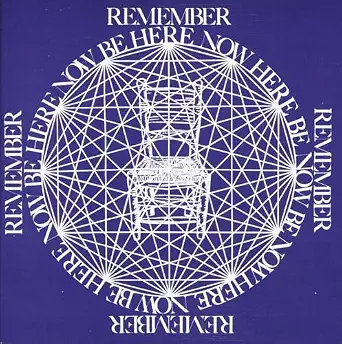 | Best Cult Classic | Format: Paperback | Author: Ram Dass | Primary Focus: Mindfulness, presence, consciousness | VIEW LATEST PRICE | See Our Full Breakdown |
| A New Earth: Awakening Your Life’s Purpose |  | Best for Ego Work | Format: Paperback, hardcover, audio, Kindle | Author: Eckhart Tolle | Primary Focus: Spiritual awakening, ego, life purpose | VIEW LATEST PRICE | See Our Full Breakdown |
| Signs: The Secret Language of the Universe |  | Best for Intuition Seekers | Format: Hardcover, paperback, audio, Kindle | Author: Laura Lynne Jackson | Primary Focus: Synchronicity, symbols, intuition | VIEW LATEST PRICE | See Our Full Breakdown |
| The Power of Your Subconscious Mind |  | Best Value Pick | Format: Paperback, hardcover, audio, Kindle | Author: Joseph Murphy | Primary Focus: Subconscious reprogramming, affirmations, visualization | VIEW LATEST PRICE | See Our Full Breakdown |
| The Awakened Brain: The New Science of Spirituality and Our Quest for an Inspired Life |  | Best for Science-Minded Readers | Author: Lisa Miller, PhD | Genre: Science and spirituality | Approach: Research-based narrative | VIEW LATEST PRICE | See Our Full Breakdown |
| Care of the Soul, Twenty-fifth Anniversary Edition |  | Best for Slow, Contemplative Reading | Author: Thomas Moore | Edition: 25th Anniversary Edition | Genre: Spirituality / psychology of everyday life | VIEW LATEST PRICE | See Our Full Breakdown |
| Spiritual Passages: The Psychology of Spiritual Development |  | Best for Understanding Stages of Growth | Author: Benedict J. Groeschel | Genre: Psychology of religion | Approach: Developmental and depth psychology | VIEW LATEST PRICE | See Our Full Breakdown |
| As a Man Thinketh – The Original 1902 Classic (includes The Mastery of Destiny) |  | Best Budget Classic | Author: James Allen | Original publication: 1902 | Included works: As a Man Thinketh; The Mastery of Destiny | VIEW LATEST PRICE | See Our Full Breakdown |
| The Book of Awakening (20th Anniversary Edition) |  | Best Daily Practice Companion | Author: Mark Nepo | Edition: 20th Anniversary Edition | Format: Daily reflection book (daybook) | VIEW LATEST PRICE | See Our Full Breakdown |
| Freedom from the Known: A Study of Conditioning, Freedom, and the Nature of the Self |  | Best for Advanced Contemplative Readers | Author: Jiddu Krishnamurti | Primary Theme: Conditioning, freedom, and the nature of the self | Approach: Philosophical inquiry | VIEW LATEST PRICE | See Our Full Breakdown |
| The Power of Now: A Guide to Spiritual Enlightenment |  | Best Overall | Author: Eckhart Tolle | Primary Theme: Present-moment awareness and enlightenment | Approach: Teaching mixed with Q&A dialogues | VIEW LATEST PRICE | See Our Full Breakdown |
| The Seat of the Soul: 25th Anniversary Edition |  | Best for Soul-Centered Psychology | Author: Gary Zukav | Edition: 25th Anniversary | Primary Theme: Soul alignment and authentic power | VIEW LATEST PRICE | See Our Full Breakdown |
| Practicing Mindfulness: 75 Essential Meditations to Reduce Stress, Improve Mental Health, and Find Peace in the Everyday |  | Best Practical Workbook | Author: Matthew Sockolov | Primary Theme: Practical mindfulness and stress reduction | Number of Meditations: 75 | VIEW LATEST PRICE | See Our Full Breakdown |
| The Four Agreements: A Practical Guide to Personal Freedom |  | Best Value for Beginners | Author: Don Miguel Ruiz | Primary Theme: Personal freedom through four Toltec principles | Approach: Practical wisdom tradition | VIEW LATEST PRICE | See Our Full Breakdown |
| spiritual development book | Author | Approach | Format | Reading Level |
|---|---|---|---|---|
| The Untethered Soul: The Journ | Michael A. Singer | Narrative philosophy with reflective prompts | Paperback, hardcover, audio, Kindle | Accessible to intermediate |
| Be Here Now | Ram Dass | Illustrated mixed-format narrative | Paperback | Accessible but unconventional |
| A New Earth: Awakening Your Li | Eckhart Tolle | Philosophical narrative with reflective questions | Paperback, hardcover, audio, Kindle | Accessible to intermediate |
| Signs: The Secret Language of | Laura Lynne Jackson | Narrative anecdotes with interpretive guidance | Hardcover, paperback, audio, Kindle | Beginner-friendly |
| The Power of Your Subconscious | Joseph Murphy | Technique-driven chapters with examples | Paperback, hardcover, audio, Kindle | Beginner |
| The Awakened Brain: The New Sc | Lisa Miller, PhD | Research-based narrative | — | Intermediate to advanced |
| Care of the Soul | Thomas Moore | Contemplative essays | — | Intermediate |
| Spiritual Passages: The Psycho | Benedict J. Groeschel | Developmental and depth psychology | — | Advanced |
| As a Man Thinketh | James Allen | — | Compact print edition | — |
| The Book of Awakening | Mark Nepo | — | Daily reflection book (daybook) | — |
| Freedom from the Known: A Stud | Jiddu Krishnamurti | Philosophical inquiry | Paperback | — |
| The Power of Now: A Guide to S | Eckhart Tolle | Teaching mixed with Q&A dialogues | Paperback, audiobook, ebook | — |
| The Seat of the Soul: 25th Ann | Gary Zukav | Psychological and philosophical | Paperback, ebook | — |
| Practicing Mindfulness: 75 Ess | Matthew Sockolov | Guided exercises / workbook | Paperback | — |
| The Four Agreements: A Practic | Don Miguel Ruiz | Practical wisdom tradition | Paperback, ebook, audiobook | — |
More Details on Our Top Picks
The Untethered Soul: The Journey Beyond Yourself
The Untethered Soul earns the top spot because it strikes the rarest balance in spiritual development writing: deep enough for seasoned practitioners, clear enough for someone picking up their first book on consciousness. Where The Power of Now can feel dense and repetitive, Michael Singer’s step-by-step unraveling of the inner voice gives readers a concrete mechanism for loosening the grip of intrusive thoughts. Compared with A New Earth, which leans on broader cultural critique, this book stays personal and immediate — you finish chapters with something to actually practice. The tradeoff is pacing: it rewards slow reading and honest self-examination, and readers who want quick affirmations will find it demanding. But for anyone serious about reframing their relationship with their own mind, nothing else in this lineup does it more accessibly.
Pros:- Clear, practical framework for observing and releasing mental chatter
- Accessible language despite deep subject matter
- Strongly reviewed for depth and clarity across a wide readership
- Works as both a first spiritual book and a return visit for experienced readers
Cons:- Abstract concepts can lose readers who prefer structured exercises
- Demands slow, reflective reading to deliver full value
- No workbook-style tools or meditations included
Best for: Readers who want a rigorous but readable guide to quieting the inner critic and observing their thoughts
Not ideal for: Buyers looking for light, motivational reading — the abstract framing requires patience and real reflection
- Format:Paperback, hardcover, audio, Kindle
- Author:Michael A. Singer
- Primary Focus:Self-awareness, consciousness, inner freedom
- Approach:Narrative philosophy with reflective prompts
- Reading Level:Accessible to intermediate
- Length:Standard trade paperback length
Our verdict“The safest first purchase in this roundup for anyone committed to genuine inner work rather than casual inspiration.”
Be Here Now
No roundup on spiritual development is complete without Be Here Now, and its role here is distinct: this is the counterculture landmark that shaped how the West talks about mindfulness. Compared with The Untethered Soul, it is far less systematic — it’s part memoir, part hand-illustrated meditation manual, and its unconventional layouts and artwork make reading it feel like an experience rather than a lesson. That’s exactly the appeal for buyers who find conventional spiritual prose sterile; it’s also why others bounce off it. The aging references to 1970s guru culture won’t land with everyone, and there are no modern, evidence-based framings like those in The Awakened Brain. Think of it as the historical anchor of a spiritual library rather than a how-to manual, and the tradeoffs become easier to accept.
Pros:- Iconic status with decades of influence on mindfulness culture
- Unique illustrated format that makes concepts memorable
- Blends memoir, philosophy, and practice in one volume
- Particularly resonant for readers exploring Eastern thought for the first time
Cons:- Dated 1970s context and guru-centric framing age poorly for some readers
- Chaotic structure makes it hard to use as a reference
- Sparse guidance for anyone wanting concrete daily techniques
Best for: Readers drawn to the history of Western spirituality who want an immersive, artistic classic rather than a linear guide
Not ideal for: Practical, exercise-driven buyers — the freeform structure offers little step-by-step instruction
- Format:Paperback
- Author:Ram Dass
- Primary Focus:Mindfulness, presence, consciousness
- Approach:Illustrated mixed-format narrative
- Original Publication:1971
- Reading Level:Accessible but unconventional
Our verdict“A foundational artifact best bought for inspiration and perspective, not as your primary instruction manual.”
A New Earth: Awakening Your Life’s Purpose
A New Earth stands apart in this lineup for one reason: its extended, systematic treatment of the ego and the pain-body. Eckhart Tolle takes ideas he sketched in The Power of Now and stretches them into a broader argument about how attachment to self-image drives dissatisfaction — and what to do about it. Compared with The Untethered Soul, it is more philosophical and slower-moving; Singer gets to practical observation faster, while Tolle builds a worldview first. That pacing is the main tradeoff: the first third can feel repetitive for impatient readers, and the abstract vocabulary won’t suit anyone who wants exercises like those in Practicing Mindfulness. But for buyers specifically wrestling with identity, resentment, and purpose, this book’s framing is more targeted than anything else here.
Pros:- Deepest exploration of ego mechanics in this roundup
- Connects inner work to a larger sense of life purpose
- Accessible entry point into Tolle’s ideas for readers new to them
- Concepts hold up well for repeated reading over years
Cons:- Repetitive in early chapters and slower than more direct alternatives
- Abstract terminology can feel vague without a practice background
- Lacks concrete exercises or structured guidance
Best for: Readers struggling with ego-driven thinking who want a philosophical framework for finding purpose
Not ideal for: Exercise-oriented learners — there’s little hands-on practice, and the pacing tests patience
- Format:Paperback, hardcover, audio, Kindle
- Author:Eckhart Tolle
- Primary Focus:Spiritual awakening, ego, life purpose
- Approach:Philosophical narrative with reflective questions
- Reading Level:Accessible to intermediate
- Companion Availability:Widely supported by study guides and class recordings
Our verdict“Choose this over The Power of Now if purpose and ego are your central struggles rather than general presence.”
Signs: The Secret Language of the Universe
Most books in this roundup look inward through meditation or philosophy; Signs takes the opposite approach, teaching readers to read meaning in external events — synchronicities, symbols, and coincidences. Compared with Be Here Now, it is warmer and more contemporary, built around personal stories that make abstract ideas emotionally concrete, which is why it appeals to grief-focused readers in particular. The tradeoff is credibility for skeptics: unlike The Awakened Brain, it offers no scientific scaffolding, and buyers who want logic-driven frameworks like The Untethered Soul may find the interpretive method too loose. Still, as an entry point into intuitive spirituality, it’s the most emotionally engaging option here, and it fills a niche none of the meditation-focused titles attempt.
Pros:- Emotionally resonant storytelling that comforts rather than lectures
- Unique focus on external signs rather than internal meditation
- Engaging for readers new to spirituality
- Particularly helpful for processing grief and loss
Cons:- No evidential basis — skeptics will struggle with the premise
- Interpretive method is loose compared to structured alternatives
- Light on transferable technique beyond noticing patterns
Best for: Readers grieving a loss or seeking comfort through interpreting meaningful coincidences and symbols
- Format:Hardcover, paperback, audio, Kindle
- Author:Laura Lynne Jackson
- Primary Focus:Synchronicity, symbols, intuition
- Approach:Narrative anecdotes with interpretive guidance
- Tone:Warm, personal, comfort-oriented
- Reading Level:Beginner-friendly
Our verdict“A comforting, story-driven pick for intuitive and grieving readers — skip it if you want structure or evidence.”
The Power of Your Subconscious Mind
As a budget option, The Power of Your Subconscious Mind delivers more techniques per dollar than anything else in this roundup. Where The Untethered Soul and A New Earth are primarily conceptual, Joseph Murphy’s book is built around repeatable methods — visualization, affirmation, and mental rehearsal — aimed at tangible goals like health, wealth, and relationships. That results-orientation is its differentiator and its weakness: readers seeking contemplative depth closer to Freedom from the Known will find the tone transactional, and the mid-century examples and occasional pseudoscientific claims have not aged gracefully compared with modern titles. For a first-time buyer unsure whether spiritual self-help is for them, though, the low price and low barrier to entry make it a low-risk starting point that more expensive, deeper books can follow.
Pros:- Very low cost compared with newer spiritual bestsellers
- Concrete, repeatable techniques rather than pure theory
- Broad applicability to health, career, and relationship goals
- Beginner-friendly with no prior knowledge required
Cons:- Dated mid-century examples and questionable scientific claims
- Materialistic framing clashes with contemplative traditions
- Depth is shallow compared with modern alternatives in this lineup
Best for: Budget-conscious readers who want actionable affirmation and visualization techniques tied to everyday goals
Not ideal for: Readers wanting contemplative or philosophically rigorous spirituality — the tone is goal-oriented and dated
- Format:Paperback, hardcover, audio, Kindle
- Author:Joseph Murphy
- Primary Focus:Subconscious reprogramming, affirmations, visualization
- Approach:Technique-driven chapters with examples
- Original Publication:1963
- Reading Level:Beginner
- Price Tier:Budget
Our verdict“A cheap, technique-first starter book — fine as a gateway, but not a substitute for the deeper titles here.”
The Awakened Brain: The New Science of Spirituality and Our Quest for an Inspired Life
Among books on spiritual development, The Awakened Brain stands out for grounding its claims in neuroscience and psychology research rather than personal anecdote. Where The Power of Your Subconscious Mind leans on now-dated assertions about the mind, this title brings peer-reviewed studies into the conversation, which matters for readers who need evidence before they invest belief. Compared with Signs: The Secret Language of the Universe, it treats spirituality as a measurable human capacity instead of a mystical gift. The tradeoff is that it reads more like a research narrative than a how-to — practical exercises are thin, and the density may frustrate someone wanting an immediate daily practice.
Pros:- Grounds spirituality in peer-reviewed neuroscience and psychology
- Bridges the gap between science and spiritual practice convincingly
- Strong credibility for skeptical or secular readers
- Frames spiritual development as an innate, trainable capacity
Cons:- Few structured practical exercises to apply the research
- Dense, research-heavy prose that casual readers may find slow
Best for: Skeptics, academics, and evidence-driven readers who want spiritual concepts validated by research
Not ideal for: Readers seeking hands-on exercises or a light, casual introduction — the science-heavy framing slows the pace
- Author:Lisa Miller, PhD
- Genre:Science and spirituality
- Approach:Research-based narrative
- Core topics:Neuroscience, psychology, awakened awareness
- Practice exercises:Limited
- Reading level:Intermediate to advanced
Our verdict“Buy this if you want spiritual development explained through hard science rather than spiritual doctrine — skip it if you want a workbook.”
Care of the Soul, Twenty-fifth Anniversary Edition
Thomas Moore’s Care of the Soul takes a different path than most modern spiritual titles: instead of chasing awakening or transformation, it argues for cultivating depth and sacredness in ordinary life. Where The Untethered Soul pushes readers toward liberation from the self, Moore asks readers to honor the self they already have — a slower, gentler philosophy. Compared with As a Man Thinketh, which promises mastery through disciplined thought, this book resists quick fixes entirely. That patience is both its strength and its weakness: there are no step-by-step programs, and the anniversary edition adds little new material, so readers wanting structure should look to a guided title like Practicing Mindfulness instead.
Pros:- Reframes spirituality as daily depth rather than dramatic transformation
- Accessible, lyrical writing that rewards slow reading
- Enduring reputation reinforced by the anniversary edition
- Works for readers of any religious or secular background
Cons:- Anniversary edition offers minimal new content over the original
- Requires sustained, deliberate reading time to absorb
Best for: Readers burned out on productivity-flavored spirituality who want a poetic, unhurried approach to everyday sacredness
Not ideal for: Action-oriented readers who want exercises, checklists, or measurable progress — Moore offers philosophy, not programs
- Author:Thomas Moore
- Edition:25th Anniversary Edition
- Genre:Spirituality / psychology of everyday life
- Approach:Contemplative essays
- Practice exercises:Informal guidance only
- Reading level:Intermediate
Our verdict“Choose this if you see spiritual development as a lifelong art rather than a project — skip it if you want structure and exercises.”
Spiritual Passages: The Psychology of Spiritual Development
Spiritual Passages fills a niche most roundup titles skip: it maps the psychological stages of spiritual development itself. While A New Earth describes an awakened state, this book explains the developmental terrain you cross to get there — how the ego reorganizes, why crises precede growth, and what normal transformation actually looks like. Compared with The Awakened Brain, which relies on lab research, this title draws on depth psychology and developmental theory, making it more interpretive and less empirical. That abstraction is the catch: readers who want a practical roadmap, like the meditations in Practicing Mindfulness, may find themselves with rich theory and no clear next action.
Pros:- Explains the stages and psychology behind spiritual transformation
- Normalizes spiritual crises and transitional periods
- Deeper theoretical treatment than most popular titles
- Valuable for coaches, therapists, and spiritual directors
Cons:- Abstract tone with few concrete practices
- No supplementary materials or exercises included
Best for: Thinkers, counselors, and serious students who want a theoretical framework for how spiritual growth actually unfolds
Not ideal for: Beginners or practical readers who want actionable guidance — the abstraction can feel unmoored from daily life
- Author:Benedict J. Groeschel
- Genre:Psychology of religion
- Approach:Developmental and depth psychology
- Core topics:Stages of spiritual growth, midlife passages, transformation
- Practice exercises:Minimal
- Reading level:Advanced
Our verdict“Pick this if you want to understand the map of spiritual development — pass if you want someone to walk you across it.”
As a Man Thinketh – The Original 1902 Classic (includes The Mastery of Destiny)
At well under the price of a single hardcover, As a Man Thinketh delivers two foundational works — The Mastery of Destiny included — in one slim volume. Compared with The Power of Your Subconscious Mind, which expanded on the same mind-power tradition, James Allen’s original is tighter, more poetic, and readable in a single sitting. That brevity is exactly why it works as an affordable entry point or a gift, but it’s also the limit: there are no modern applications, exercises, or contemporary examples, and the Victorian prose reads as dated to some. Readers wanting depth will finish hungry, and The Four Agreements offers a more modern bridge from the same ideas to daily practice.
Pros:- Two complete classic works in one inexpensive edition
- Concise enough to read in one or two sittings
- Historic source text for the entire modern self-help tradition
- Very low price point for a printed edition
Cons:- Dated 1902 language that some modern readers find off-putting
- No modernized practical applications or exercises
Best for: Budget-conscious readers, gift-givers, and anyone curious about the origins of modern self-help and thought-mastery teachings
Not ideal for: Readers wanting in-depth strategy or contemporary language — the 1902 style and slim page count leave little substance
- Author:James Allen
- Original publication:1902
- Included works:As a Man Thinketh; The Mastery of Destiny
- Format:Compact print edition
- Length:Short — readable in one sitting
- Price tier:Budget
Our verdict“A cheap, fast classic worth owning — but treat it as a historical foundation, not a complete spiritual development guide.”
The Book of Awakening (20th Anniversary Edition)
Unlike the single-narrative titles in this roundup, The Book of Awakening is built as a daybook — one short reflection per day — which makes it the only option here designed for sustained daily practice rather than one-time reading. Where The Power of Now delivers dense philosophy to absorb in long sittings, Mark Nepo offers bite-sized meditations on presence and gratitude that fit into a morning routine. Compared with Practicing Mindfulness, the reflections are more literary and less instructional — poetic essays rather than guided meditations. The tradeoff is commitment: the benefits depend on showing up daily, and readers who dip in occasionally will get fragments, not transformation.
Pros:- Structured daily reflections that build a lasting habit
- Poetic, accessible writing on presence and gratitude
- Anniversary edition refined over two decades of readership
- Short entries suit busy schedules
Cons:- Results require consistent daily commitment over months
- No guided meditations or structured exercises for hands-on learners
Best for: Readers building a morning ritual who want short, literary daily reflections rather than full-length chapters
Not ideal for: Readers who prefer to finish a book front-to-back — the daily-essay format feels fragmented if read in long sessions
- Author:Mark Nepo
- Edition:20th Anniversary Edition
- Format:Daily reflection book (daybook)
- Core topics:Presence, gratitude, everyday mindfulness
- Entry length:One page per day
- Time commitment:Daily, year-long reading
Our verdict“The right pick if your spiritual development happens in ten quiet minutes each morning rather than weekend reading marathons.”
Freedom from the Known: A Study of Conditioning, Freedom, and the Nature of the Self
Freedom from the Known is the most intellectually demanding pick in this lineup, and that is exactly its value. Where The Four Agreements distills spirituality into four digestible rules, Krishnamurti asks readers to dismantle the entire framework of conditioned thinking — including the frameworks offered by gurus and self-help books. This option stands out for readers who have already worked through accessible titles like The Untethered Soul and want something with more philosophical teeth.
The tradeoff is real: there are no exercises, no step-by-step practices, and no comfort. Compared with Practicing Mindfulness, which gives you 75 concrete meditations, this book gives you none. It rewards slow, repeated reading rather than quick application, which makes it a poor first book on the subject.
Pros:- Deep, uncompromising philosophical inquiry into the nature of the self
- Challenges conditioning itself rather than offering another belief system
- Rewards repeated reading with new layers of insight
- Strong choice for readers who found lighter titles too simplistic
Cons:- Dense and abstract prose that alienates casual readers
- No practical exercises or structured application
- Slow pacing makes it unsuitable as an entry point
Best for: Experienced readers of spiritual literature who want rigorous philosophy rather than guided practice
Not ideal for: Beginners or readers seeking actionable exercises — the abstract style offers no practical toolkit
- Author:Jiddu Krishnamurti
- Primary Theme:Conditioning, freedom, and the nature of the self
- Approach:Philosophical inquiry
- Practice Exercises:None
- Difficulty Level:Advanced
- Reading Style:Contemplative, dialogue-based
- Format:Paperback
Our verdict“Choose this only if you’ve outgrown introductory spiritual books and want pure, demanding philosophy.”
The Power of Now: A Guide to Spiritual Enlightenment
This pick makes the most sense for the top spot because it balances accessibility, depth, and practical payoff better than anything else here. The Power of Now takes a single idea — presence — and develops it with enough clarity that a complete beginner can act on it immediately, something Freedom from the Known deliberately refuses to do.
Compared with The Seat of the Soul, which leans more philosophical and abstract, Tolle’s language is conversational and grounded in everyday frustration: rumination, anxiety, and the runaway mind. The honest tradeoff is repetition — the book circles the same core concept many times, and impatient readers may feel it could be half the length. It also asks for genuine reflection between chapters rather than passive reading.
Pros:- Accessible language that works for complete beginners
- Practical framing of presence for everyday stress and overthinking
- Widely regarded as a transformative modern classic
- Bridges casual mindfulness and deeper spiritual inquiry
Cons:- Highly repetitive across chapters
- Requires sustained reflection to deliver real benefit
- Q&A format can feel disjointed to some readers
Best for: First-time spiritual readers who want one foundational book that combines mindset shifts with daily applicability
Not ideal for: Readers allergic to repetition or those wanting a structured, exercise-driven program like Practicing Mindfulness
- Author:Eckhart Tolle
- Primary Theme:Present-moment awareness and enlightenment
- Approach:Teaching mixed with Q&A dialogues
- Difficulty Level:Beginner to intermediate
- Practice Exercises:Informal, woven into chapters
- Reading Style:Conversational
- Format:Paperback, audiobook, ebook
Our verdict“If you buy only one spiritual development book, this is the safest and most broadly rewarding starting point.”
The Seat of the Soul: 25th Anniversary Edition
The Seat of the Soul occupies a distinctive middle ground: more psychological and values-oriented than Be Here Now, yet more spiritually framed than conventional self-help like The Power of Your Subconscious Mind. Zukav’s central argument about aligning personality with soul gives readers a vocabulary for meaning, intention, and authentic power that purely mindfulness-based books don’t attempt.
The 25th anniversary framing is mostly cosmetic — this edition adds essentially nothing new, so owners of the original have no reason to rebuy. Compared with The Power of Now, it is less immediately actionable; its payoff comes through a gradual shift in how you frame decisions and relationships, not through techniques you can practice tonight.
Pros:- Blends psychological insight with spiritual framing unusually well
- Strong framework for intention, meaning, and authentic power
- Enduring bestseller with 25 years of reader validation
- Thought-provoking without requiring prior spiritual background
Cons:- Anniversary edition offers no substantive new content
- Concepts like ‘universal human’ may feel too abstract for practical readers
- Minimal step-by-step guidance
Best for: Readers interested in the intersection of psychology and spirituality, especially those questioning external achievement and seeking deeper meaning
Not ideal for: Buyers wanting concrete daily practices, or existing owners of the original edition who would gain nothing new
- Author:Gary Zukav
- Edition:25th Anniversary
- Primary Theme:Soul alignment and authentic power
- Approach:Psychological and philosophical
- Practice Exercises:None structured
- Difficulty Level:Intermediate
- Format:Paperback, ebook
Our verdict“A strong pick if you want meaning and values-driven growth rather than meditation technique.”
Practicing Mindfulness: 75 Essential Meditations to Reduce Stress, Improve Mental Health, and Find Peace in the Everyday
This is the most hands-on title in the entire roundup. Where The Power of Now explains presence conceptually, this book hands you 75 ready-to-use meditations you can start the same day — a structure-driven alternative for readers who found philosophy inspiring but struggled to translate it into a habit. It functions almost like a course workbook rather than a book to read cover to cover.
The tradeoff: it is light on the ‘why’ behind the practice. Compared with The Seat of the Soul or Freedom from the Known, there is little transformative philosophy here — readers chasing deeper spiritual development rather than stress management may find it mechanical. Some users also report the exercises blur together with repetition.
Pros:- 75 discrete meditations you can use immediately
- Genuinely beginner-friendly with no prior experience needed
- Structured format builds a sustainable daily habit
- Strong focus on measurable stress and mental health outcomes
Cons:- Shallow on spiritual philosophy and deeper purpose
- Exercises can feel repetitive over time
- Lacks clear guidance on session length and technique depth
Best for: Stressed, busy readers who want a concrete daily meditation practice instead of abstract spiritual theory
Not ideal for: Readers seeking enlightenment-oriented philosophy — this is a wellness toolkit, not a spiritual treatise
- Author:Matthew Sockolov
- Primary Theme:Practical mindfulness and stress reduction
- Number of Meditations:75
- Approach:Guided exercises / workbook
- Experience Level:Beginner to experienced
- Format:Paperback
Our verdict“The best choice if your goal is an actionable meditation routine rather than spiritual reading.”
The Four Agreements: A Practical Guide to Personal Freedom
At this price and length, The Four Agreements is the lowest-commitment entry point in the lineup. Its four principles — famously, be impeccable with your word, don’t take anything personally, don’t make assumptions, and always do your best — can be absorbed in a single sitting and applied the next morning. Compared with Freedom from the Known, which takes the opposite approach of rejecting all prescriptions, Ruiz hands you a simple code and trusts you to live it.
The honest limitation is depth: the concepts can feel simplistic, and there is no scientific grounding for the Toltec framework. Readers who want nuance will outgrow it quickly and should move on to The Power of Now or The Untethered Soul. Its power depends entirely on sustained personal commitment — read passively, it changes nothing.
Pros:- Extremely short and readable in one or two sittings
- Four memorable principles that are easy to apply daily
- Inexpensive and widely available
- No spiritual background required
Cons:- Concepts may strike experienced readers as oversimplified
- No scientific or research support for its claims
- Results depend entirely on sustained personal effort
Best for: Budget-conscious beginners or skeptics of dense spirituality who want a short, memorable code for daily behavior
Not ideal for: Readers wanting scientific backing or philosophical depth — the brevity and simplicity will disappoint
- Author:Don Miguel Ruiz
- Primary Theme:Personal freedom through four Toltec principles
- Approach:Practical wisdom tradition
- Framework:Four core agreements
- Difficulty Level:Beginner
- Length:Short (~140 pages)
- Format:Paperback, ebook, audiobook
Our verdict“The cheapest, fastest way to test whether spiritual self-help works for you — just expect to graduate beyond it.”

How We Picked
My ranking prioritizes how much a book actually changes the reader’s daily thinking, not popularity or sales figures. I weighed four factors: clarity of the core teaching, practical applicability (exercises, meditations, or actionable shifts versus abstract theory), durability of the ideas across re-reads, and accessibility for someone new to the genre. A book that dazzles on page one but offers nothing on re-read ranked lower than a plainer book with a teaching that holds up over years.
I also factored in audience fit, because spiritual development is not one journey. A skeptical, science-oriented reader and a grieving reader seeking comfort need very different books, so the ranking rewards versatility where it exists and flags specialization where it doesn’t. Length, density, and dated language were treated as tradeoffs rather than flaws — but they were treated honestly, which is why some beloved classics sit below newer, sharper works.
Factors to Consider When Choosing Spiritual Development Books
Before picking a specific title, it helps to understand how this category works. Spiritual development books differ more from each other than almost any other nonfiction genre, and buying the wrong style of book is the most common mistake readers make.Know Which Tradition (or Non-Tradition) You’re Buying Into
Spiritual development books sit on a spectrum from secular psychology with spiritual overtones to explicitly mystical teaching. Works like The Awakened Brain and The Power of Your Subconscious Mind lean scientific or psychological, while Be Here Now and Freedom from the Known come from explicitly contemplative lineages. Neither is better, but mismatched expectations are the number one reason readers abandon these books. If phrases like ‘energy’ or ‘higher self’ make you skeptical, start on the psychology end. If pure science feels dry, the mystical end will feel more alive. Check the author’s background before buying — a neuroscientist, a psychologist, and a meditation teacher can use the same words while meaning very different things.
One-Idea Books Versus Systems
Some of the most effective books in this genre teach a single idea deeply — presence, thought discipline, or inner witness awareness. Others build complete frameworks across hundreds of pages. Single-idea books are easier to finish and easier to apply immediately, but readers sometimes feel they outgrow them within a year. Framework books demand more sustained attention and often rereading, but they become reference books you return to for decades. A common mistake is buying a thick system book as a first purchase, feeling overwhelmed, and concluding the genre isn’t for you. One strong single-idea book followed by a system book is the more reliable path.
Daily-Practice Books Are a Different Purchase
Meditation collections and day-by-day readers like Practicing Mindfulness or The Book of Awakening are structured as rituals, not reads. They work only if you genuinely will sit with them daily, and they assume you already want a practice rather than an argument for why practice matters. Buying one without that commitment usually results in a beautifully bound book that sits unopened. Conversely, if you already meditate and want structure, these are among the highest-value purchases in the category because they replace apps and subscriptions. Be honest about whether you’re buying a book or buying the idea of a habit.
Older Classics: When Age Helps and When It Hurts
Several cornerstone titles in this genre are 50 to 120 years old, and dated language is a real cost. Victorian-era phrasing in As a Man Thinketh or seventies counterculture framing in Be Here Now can obscure ideas that newer books state more clearly. The payoff is that older classics often carry a depth and seriousness that modern rewrites flatten. My suggestion: use older classics as second purchases once you know what ideas resonate with you, so you’re decoding the language with context rather than through it. Anniversary editions are usually worth the small premium for updated introductions that bridge the historical gap.
Comfort Books Versus Growth Books
There is a meaningful difference between books that soothe and books that challenge. Titles focused on signs, synchronicities, and reassurance serve grieving or crisis-period readers extremely well — that comfort has real value. But if your goal is development rather than solace, books that push against your self-image (Freedom from the Known, Care of the Soul) produce more movement, at the cost of being genuinely uncomfortable to read. Neither type should be judged by the other’s standard. The mistake to avoid is buying a challenging book during a fragile period and a comforting book when you’re ready for real work.
Format, Length, and Reread Value
In this genre, rereadability is the real measure of value, because these books are designed to be revisited at different life stages. Short books under 200 pages get read twice as often as 400-page tomes, which matters more than page-count-per-dollar. Audiobook format works surprisingly well for contemplative titles — many readers absorb meditative prose better by ear — but skip audio for books with exercises or journaling prompts. If you annotate, check that the edition has decent margins; cheaper mass-market printings of classics often cram text onto the page in a way that works against slow, reflective reading.
Frequently Asked Questions
Which spiritual development book should I read first if I’ve never read anything in this genre?
Start with The Untethered Soul or The Four Agreements, and the choice depends on your temperament. The Four Agreements is shorter and gives you four concrete rules you can apply the same day, which suits readers who want immediate behavioral guidance. The Untethered Soul takes a little longer but explains the mechanics of the inner voice — why your mind narrates everything and how to relate to it — which gives you a foundation every other book in this list builds on. Avoid starting with dense classics like Freedom from the Known or Care of the Soul; they’re excellent but assume a reader already comfortable with introspective language, and first-time readers frequently bounce off them.
Are the older classics like The Power of Your Subconscious Mind and As a Man Thinketh still worth buying?
Yes, but with managed expectations. Both books contain ideas that modern psychology has partly validated — thought patterns shaping behavior, self-talk affecting outcomes — and partly left behind, including claims about the subconscious that read as oversimplified today. Their strength is force and clarity: they make their arguments with a directness modern books often lack. Their weakness is period language and some claims presented as science that isn’t. If you read them as influential historical works whose core insights still hold, they’re worth the small price. If you want current evidence, buy The Awakened Brain instead — it covers similar territory with actual research behind it.
What’s the difference between The Power of Now and A New Earth, and do I need both?
Both are Eckhart Tolle, and roughly 70% of the core teaching overlaps: presence, the ego as the source of suffering, and identification with thought. The Power of Now is structured as dialogue — question and answer — which makes the ideas feel immediate but the book feel repetitive to some readers. A New Earth is more organized and analytical, with clearer vocabulary like the ‘pain-body’ framework, and most readers find it the easier entry point. You don’t need both unless Tolle’s approach specifically resonates with you. If you buy one, choose A New Earth for structure or The Power of Now if you prefer conversational teaching.
I’m skeptical of spiritual claims — is there anything here for me?
The Awakened Brain is written precisely for you: its author is a research psychologist, and the book presents spiritual wellbeing as a measurable brain state rather than a metaphysical claim. Second choice would be The Power of Your Subconscious Mind, though its mid-century framing sometimes overstates its case. Books to skip as a skeptic: Signs, Be Here Now, and The Seat of the Soul, all of which assume openness to non-material experience from page one. A useful rule in this genre is to check whether the author cites evidence or testimony — that single distinction will predict whether a book frustrates you within a chapter.
Should I buy a book to read straight through or a daily-practice book like Practicing Mindfulness?
This depends entirely on whether you’re seeking understanding or habit. A daily-practice book only pays off with consistency — it functions like a gym membership for attention, and it fails the same way unused memberships do. If you know you’ll commit ten minutes a day, Practicing Mindfulness or The Book of Awakening will outperform any read-once book because the practice is the teaching. If your schedule is unpredictable or you’re still deciding whether contemplative work is for you, read a narrative book first and let it motivate the habit before you buy a tool that assumes one. Many readers eventually own one of each, but almost nobody regrets the order: understanding first, practice second.
Conclusion
Match the book to where you actually are, not where you’d like to be. Best overall goes to The Untethered Soul for its rare combination of accessibility and lasting depth. Best value is As a Man Thinketh, which delivers disproportionate insight per dollar despite its age. Best for beginners is The Four Agreements, the gentlest on-ramp in the lineup. For the premium pick, Care of the Soul offers the deepest, most durable framework — if you’re willing to work for it. Best for skeptics is The Awakened Brain, and for grieving readers, Signs serves a purpose nothing else here does. Daily-practice readers should choose Practicing Mindfulness, while anyone specifically focused on presence should still start with The Power of Now. Whatever you choose, one book finished and applied beats five purchased and abandoned.
Evergreen bestsellers Picks
bestsellers
As an affiliate, we earn on qualifying purchases.