
If you’re aiming to achieve your dreams in 2025, I suggest focusing on goal-setting books that combine practical tools with scientific insights. The Goal Planning Notepad and 100-Day Goal Journal help you track progress and stay motivated, while the Bucket List Journal encourages reflection and happiness. “The Power of Habit” reveals how routines shape our lives, making change easier. Keep exploring to discover more about these top resources and how they can support your journey.
Key Takeaways
- These books emphasize setting specific, measurable, and achievable goals grounded in scientific research and behavioral psychology.
- They include practical tools like templates, checklists, and progress trackers to facilitate steady progress.
- Inspirational stories and quotes motivate sustained effort and reinforce growth mindsets.
- Focus on developing habits, routines, and emotional resilience to turn dreams into actionable plans.
- They cater to diverse preferences, offering both digital and physical formats for accessible goal achievement.
Goal Planning Notepad for Task and Goal Management
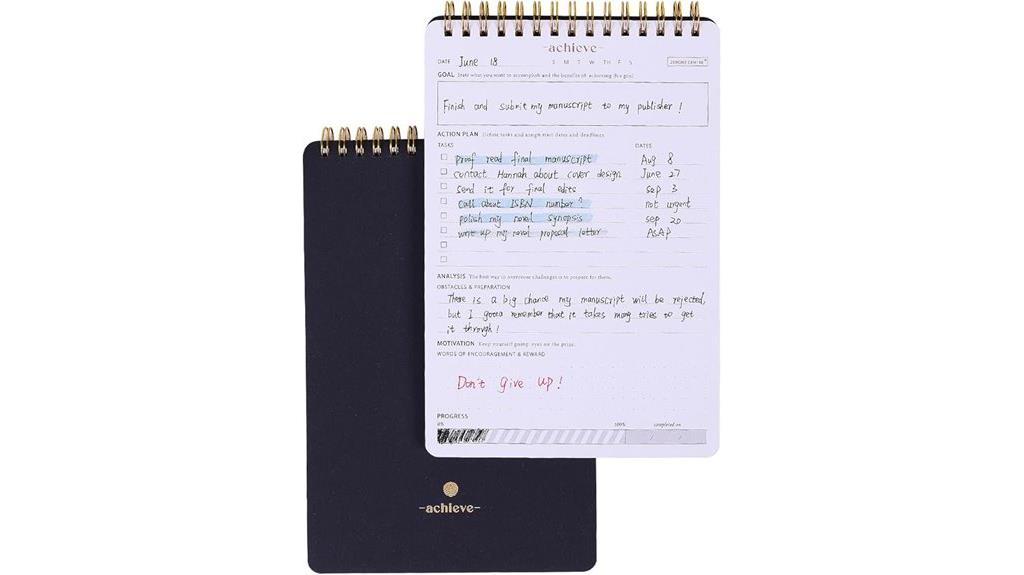
Are you looking for a practical tool to keep your goals organized and actionable? The Goal Planning Notepad is perfect for that. It’s an A5-sized planner with 54 premium pages, designed to help you set clear goals, break them into manageable steps, and track your progress. Its spiral binding makes it easy to use, while the durable covers keep it protected. Whether you’re working on personal growth, business projects, or daily tasks, this notepad provides ample space for brainstorming and planning. Compact and portable, it’s ideal for entrepreneurs, students, and professionals committed to turning dreams into reality.
Best For: entrepreneurs, professionals, students, and individuals seeking a portable and effective tool for goal setting, task management, and personal development.
Pros:
- High-quality 120 lb premium paper prevents ink bleed-through and ensures durability.
- Spiral binding allows for easy use and flipping through pages without damage.
- Compact size (5.5×8.5 inches) makes it portable for daily use and on-the-go planning.
Cons:
- Limited to 54 sheets, which may require frequent refilling for extensive planning needs.
- A5 size might be too small for users who prefer more spacious writing areas.
- No digital integration, so it relies solely on manual writing and tracking.
The 100-Day Goal Journal: Accomplish What Matters to You
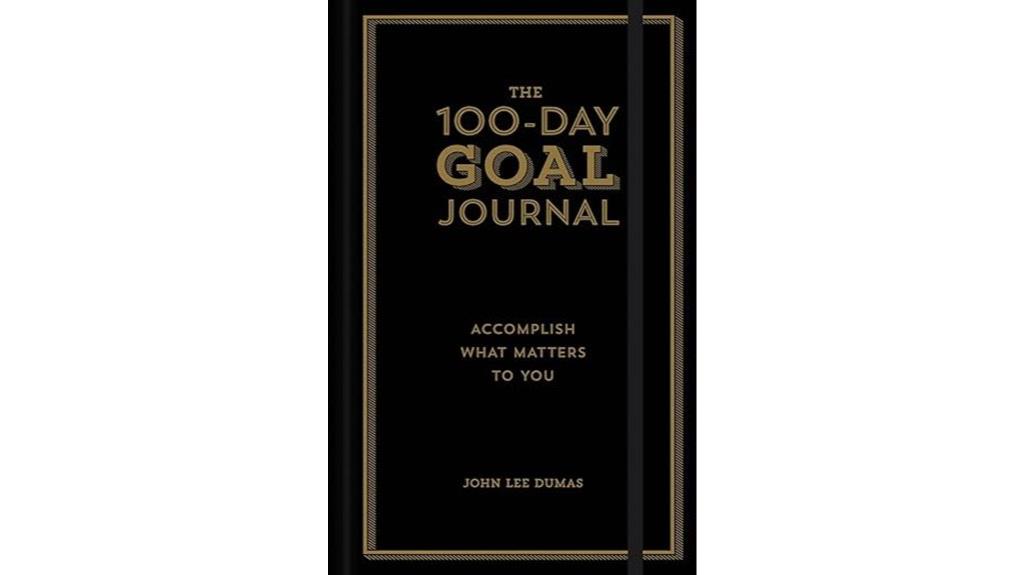
If you’re someone who thrives on tangible progress and enjoys reflecting on your achievements, the 100-Day Goal Journal is an excellent choice. It transforms big dreams into manageable actions through structured check-ins and ratings, acting like a personal coach. Its high-quality materials and thoughtful design make it inspiring and durable, encouraging consistent use. Many users find it helps organize multiple projects, stay motivated, and turn intentions into reality. Its simplicity and tactile nature appeal to those who prefer writing by hand and value visual progress. Overall, this journal is a practical, motivating tool that keeps you focused on what truly matters.
Best For: individuals who enjoy structured reflection, tangible progress tracking, and prefer writing by hand to stay motivated and organized on their personal or professional goals.
Pros:
- High-quality materials and durable design that withstands daily use
- Encourages consistent reflection and progress ratings, boosting motivation
- Versatile for various projects and customizable to fit different routines
Cons:
- Might not appeal to those who dislike handwriting or prefer digital planning
- Requires regular commitment to maintain momentum and see results
- Limited space for detailed planning, which may not suit complex projects
The Bucket List Journal for Goals & Happiness (Ben Nemtin)

The Bucket List Journal for Goals & Happiness by Ben Nemtin is an ideal choice for anyone looking to turn their aspirations into achievable milestones. This science-backed guided journal helps you set, track, and accomplish goals centered on happiness and fulfillment. It promotes accountability, focus, and clarity while building momentum toward your dreams. With features like progress tracking, goal formulas, motivational quotes, and space for reflection, it keeps you motivated and focused. The elegant linen cover and recycled paper add a touch of sustainability. Created by Ben Nemtin, a motivational speaker and mental health advocate, this journal is a practical tool to turn your dreams into reality within a year.
Best For: individuals seeking a structured, motivational tool to set and achieve personal goals related to happiness and fulfillment, with an emphasis on accountability and progress tracking.
Pros:
- Incorporates science-backed methods to enhance goal achievement and mental well-being
- Elegant design with sustainable materials and a user-friendly layout
- Includes motivating quotes and reflection space to foster inspiration and clarity
Cons:
- May require consistent commitment to see significant progress
- Limited customization options compared to digital goal-setting tools
- The physical format may not suit those who prefer digital or app-based journaling
The Power of Habit: Why We Do What We Do in Life and Business
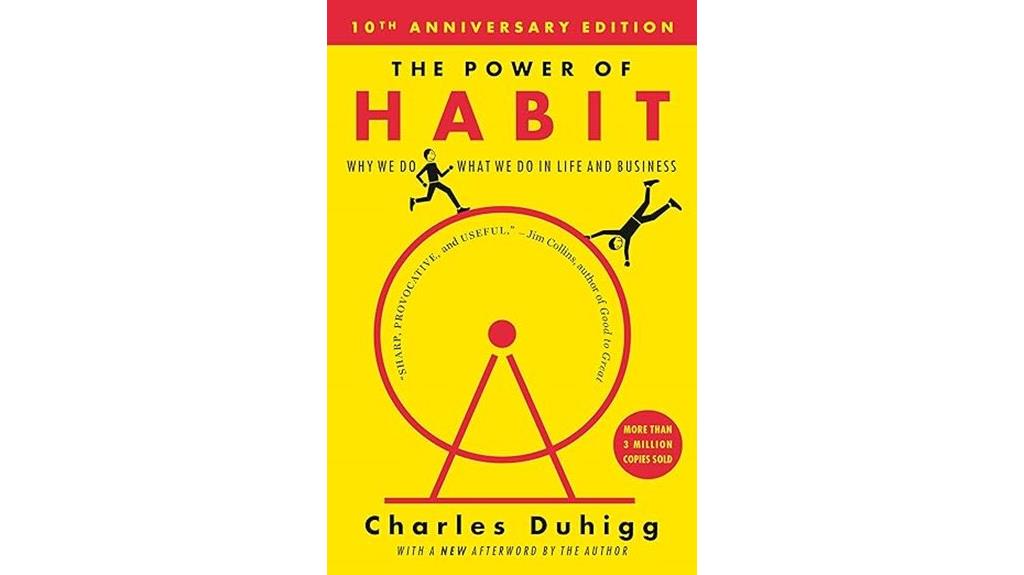
Individuals seeking to understand how habits shape their behavior and drive success will find “The Power of Habit” especially valuable. I’ve learned that habits are controlled by the basal ganglia, not memory, operating through a cue, routine, reward cycle. Changing routines can reprogram habits, but rewards are essential. Deep factors like belief and emotional resilience are crucial for lasting change. By adjusting cues, developing awareness, and replacing old routines with healthier ones, we can reshape our lives. External support, social influence, and a strong belief system reinforce these changes. This book offers powerful insights into how habits form, persist, and can be transformed to help us reach our goals.
Best For: individuals interested in understanding the science behind habits and learning practical strategies to modify behaviors for personal and professional growth.
Pros:
- Provides a comprehensive understanding of the neural basis of habits and how to influence them
- Offers actionable techniques for changing routines and building lasting habits
- Incorporates real-world examples and case studies to illustrate key concepts
Cons:
- May oversimplify complex psychological and neurological processes for some readers
- Requires ongoing effort and commitment to implement habit changes effectively
- Some strategies may not be applicable to all individuals or cultural contexts
Factors to Consider When Choosing Goal Setting Books

When choosing a goal setting book, I consider how clear and focused the goals are, ensuring they align with my needs. I also look for books tailored to my experience level and practical tools that help me implement plans effectively. Finally, I check if the book offers motivation, inspiration, and solid scientific insights to keep me engaged and grounded.
Goal Focus and Clarity
Have you ever felt overwhelmed by vague goals that lead to frustration and lost momentum? That’s why goal focus and clarity are vital when choosing a goal-setting book. Clear goals help you stay focused and motivated, making your progress measurable and manageable. Books that emphasize specific, time-bound objectives prevent ambiguity and keep you on track. They also teach you how to break big ambitions into actionable steps, reducing confusion and boosting confidence. The best books include strategies for refining and prioritizing your goals, ensuring they align with your values and long-term vision. When clarity is prioritized, it’s easier to maintain consistency and see real progress. Choosing a book that emphasizes these aspects will give you the tools to stay focused and achieve your dreams efficiently.
Target Audience Compatibility
Choosing a goal-setting book that truly resonates with you means considering whether its language, tone, and style match your background and motivation. You want a book that speaks your language, whether it’s casual, professional, or inspirational, and feels approachable. Think about your experience level—are you a beginner or an experienced goal setter? The content should match your familiarity with goal setting. Also, consider if the book addresses your specific interests or challenges, like balancing work and life or entrepreneurial pursuits. Check if the examples and case studies reflect your cultural background or professional environment. Finally, pick a format that suits your learning style—whether it’s visual, interactive, or narrative—to ensure you stay engaged and motivated throughout your goal-setting journey.
Practical Planning Tools
Practical planning tools are the backbone of effective goal setting, turning big ambitions into actionable steps. I look for books that include templates, checklists, or worksheets to help break down large goals into manageable tasks. These tools should offer structured frameworks for tracking progress, setting deadlines, and identifying obstacles, which keeps motivation high and accountability clear. I prefer user-friendly designs that provide clear guidance without feeling overwhelming, increasing the chances I’ll stick with my plan. Visual aids like charts or progress bars are especially helpful—they give me a quick snapshot of how close I am to my goals. The best tools are adaptable, allowing me to customize approaches based on my preferences, project complexity, or specific objectives, making goal achievement feel within reach.
Motivation and Inspiration
What truly motivates me to stay committed to my goals often depends on the stories and techniques a book offers. Inspiring stories and quotes can boost my confidence and remind me of my purpose. I look for books that leverage psychological principles like self-efficacy and growth mindset, helping me believe in my ability to succeed. Connecting my goals to personal values keeps me inspired for the long haul. Visualization techniques and positive affirmations reinforce my motivation daily. Celebrating small wins is vital—it keeps my enthusiasm high and momentum steady. When a book combines these elements, it fuels my passion and resilience. Ultimately, choosing a goal-setting book that resonates emotionally and offers practical motivation makes all the difference in turning dreams into reality.
Scientific Foundations Included
When selecting a goal-setting book, it’s important to contemplate the scientific principles that underpin effective strategies. Research from psychology and neuroscience reveals that understanding how habits form and how routines influence behavior can boost success. Evidence-based approaches emphasize setting measurable, specific, and achievable goals supported by data, which helps clarify your objectives. Incorporating techniques like progress tracking, feedback, and reinforcement aligns with behavioral science, making it easier to stay motivated over time. Additionally, insights from cognitive science show that belief and identity play vital roles in maintaining persistence. Choosing a book grounded in these scientific foundations ensures you’re applying proven methods, increasing your chances of turning goals into reality and making meaningful progress toward your dreams.
User Engagement Features
Have you ever noticed how some goal-setting books keep you engaged and motivated throughout the process? It’s often thanks to features like prompts, checklists, and reflection spaces that encourage active participation and accountability. Interactive elements such as progress trackers or motivational quotes help sustain your momentum and give a sense of achievement. Incorporating multimedia content or digital integrations can make the experience more dynamic, providing extra support beyond just written exercises. Personalization options, like customizable pages or goal categories, deepen your emotional investment and make the process more relevant. Regular prompts for review and revision keep you committed, helping adapt your goals as priorities evolve. These features turn goal setting from a chore into an engaging, motivating journey.
Visual and Design Appeal
Choosing a goal setting book with strong visual and design appeal can make a significant difference in how often and how effectively you engage with it. A well-crafted cover, such as linen or embossed details, instantly attracts your attention and sets a motivating tone. Bright colors and inspiring quotes integrated into the design boost your enthusiasm and positive mindset. Clear layouts with plenty of space for writing and brainstorming encourage consistent use without feeling cluttered. Thoughtful graphics, icons, or progress trackers make tracking your goals more intuitive and visually satisfying. Additionally, professional typography and balanced spacing create an inviting atmosphere that motivates you to keep working toward your dreams. In short, a beautifully designed book turns goal setting into an enjoyable, inspiring experience.
Cost and Accessibility
The cost and accessibility of goal-setting books can greatly influence which one I choose to use. Prices range from budget-friendly options under $10 to premium editions over $50, making affordability a key factor. Digital versions like e-books and audiobooks often cost less and are instantly obtainable, which is convenient for quick reading. Many books are available through online retailers, local bookstores, and libraries, broadening access for all readers. Free resources, such as downloadable templates and guides, can also supplement paid books, especially for those with limited budgets. Additionally, books offered in multiple languages and formats ensure that non-English speakers or individuals with visual impairments can still benefit. Accessibility and affordability are essential for making goal-setting tools reachable for everyone.
Frequently Asked Questions
How Do Goal Setting Books Vary for Different Personality Types?
Goal-setting books vary based on personality types because they tailor strategies to how we think and act. For example, I prefer structured guides with clear steps, so I gravitate toward books with practical exercises. If you’re more creative, you might enjoy more inspirational and flexible approaches. Understanding your personality helps you pick a book that resonates, making your goal-setting journey more effective and enjoyable.
Are Goal Journals Effective for Long-Term vs. Short-Term Ambitions?
Like a compass guiding a sailor, goal journals steer my focus. They work well for both long-term and short-term ambitions, helping me track progress and stay motivated. For long-term goals, I use them to visualize the bigger picture, while short-term goals keep me grounded daily. I find journaling effective because it creates accountability and clarity, making my dreams feel more achievable, no matter the timeline.
Can Goal Books Improve Motivation Beyond Initial Enthusiasm?
Yes, goal books can boost motivation beyond initial excitement. I’ve found that regularly updating my goals and tracking progress keeps me engaged, especially when I see tangible results. The act of writing down my ambitions reinforces my commitment and helps me stay focused, even when enthusiasm wanes. A good goal book becomes a motivational tool that reminds me of my ‘why’ during tough times, fueling continued effort.
How Do Cultural Differences Influence Goal-Setting Strategies in These Books?
Cultural differences deeply influence how I approach goal-setting strategies in these books. I find that cultures emphasizing collectivism focus more on community goals, while individualistic cultures prioritize personal achievements. These perspectives shape the techniques I use, making me adapt my goals to fit cultural values. Understanding this helps me stay motivated and aligned with my background, ensuring my goals feel meaningful and achievable within my cultural context.
What Are Common Pitfalls When Using Goal Setting Books?
I’ve found that a common pitfall with goal-setting books is relying too much on generic advice that doesn’t fit my unique situation. I sometimes get overwhelmed by lofty goals without breaking them into manageable steps. It’s easy to lose motivation if I don’t track progress regularly or if I set unrealistic timelines. Staying flexible and customizing strategies helps me avoid these mistakes and keeps me focused on achievable growth.
Conclusion
So, if you thought reaching your dreams was just about wishing hard enough, these books might just prove you wrong — or at least give you a good laugh trying. Whether you prefer jotting down goals, breaking them into 100 days, or harnessing habits, there’s a plan for everyone. After all, who knew that achieving big dreams might just require a little planning and a lot of patience? Here’s to making 2025 your most intentional year yet!