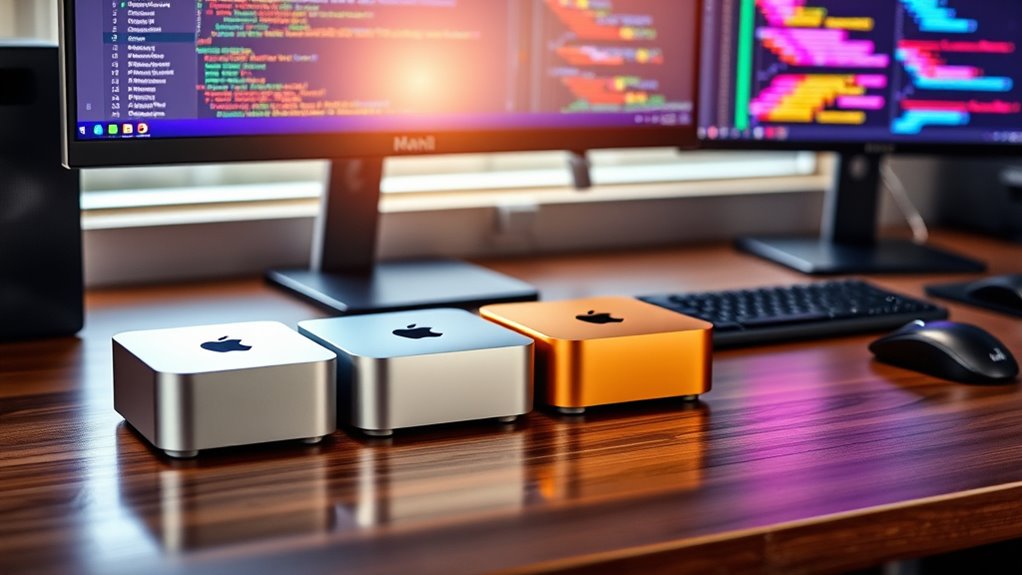

If you’re looking for the best Macs for 3D and simulation in 2025, I recommend considering the latest MacBook Pro models equipped with M4 Max and M4 Pro chips. These deliver powerful GPUs, fast processors, and high-refresh Liquid Retina XDR displays, perfect for demanding workflows. The Mac mini with M4 chips also offers a compact yet capable alternative. To find out which option suits your needs best, stick around for more insights.
Key Takeaways
- High-performance Mac models with M3 Max, M4 Max, or M4 chips deliver exceptional processing power for 3D rendering and simulations.
- Liquid Retina XDR displays with high brightness and contrast enhance visual accuracy essential for detailed 3D work.
- Ample GPU cores (up to 40-core) and large unified memory (up to 48GB) support demanding graphics and complex simulations.
- Extensive connectivity options, including Thunderbolt 4/5, facilitate multi-monitor setups and fast data transfer for professional workflows.
- Portable MacBook Pro and compact Mac mini configurations provide powerful, space-efficient solutions for professional 3D artists and engineers.
Amazon Product B0DLHCXF81
As an affiliate, we earn on qualifying purchases.
Apple MacBook Pro 2024 with M4 Max, 14.2-inch Liquid Retina XDR Display
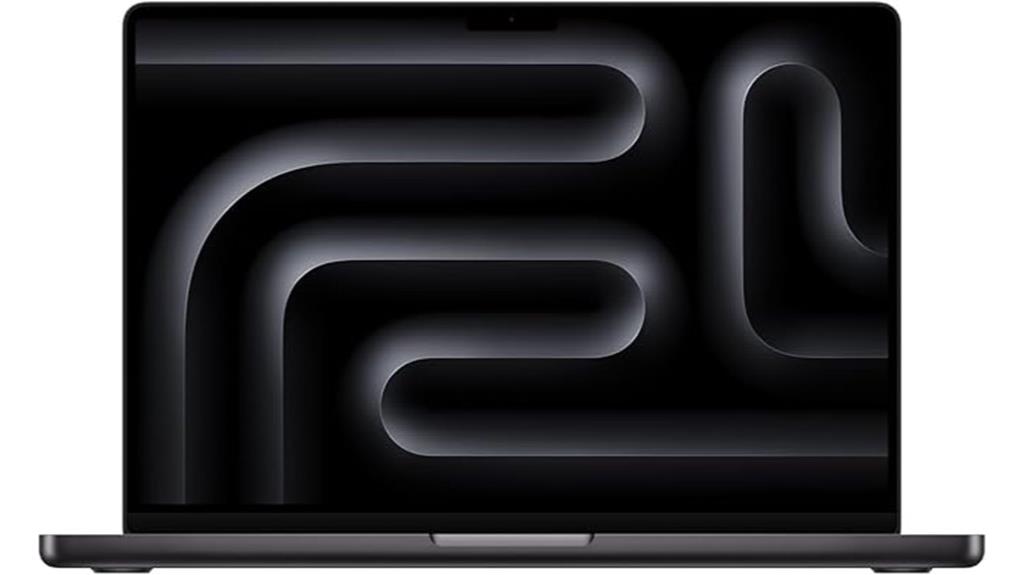
If you’re looking for a powerful laptop that can handle demanding 3D and simulation tasks in 2025, the Apple MacBook Pro 2024 with M4 Max is an excellent choice. Its 14.2-inch Liquid Retina XDR display delivers stunning visuals with up to 1600 nits of peak brightness and a 1,000,000:1 contrast ratio. Equipped with the M4 Max chip, a 14-core CPU, and a 32-core GPU, it offers exceptional performance for rendering complex models or running intensive simulations. With 36GB of unified memory and fast 1TB SSD storage, it guarantees smooth multitasking and quick data access, making it ideal for professional creative workflows.
Best For: creative professionals and developers who require powerful performance for demanding 3D rendering, simulations, and intensive workflows in 2025.
Pros:
- Exceptional graphics performance with a 32-core GPU ideal for complex visual tasks
- Stunning 14.2-inch Liquid Retina XDR display with high brightness and contrast for professional-quality visuals
- Ample 36GB unified memory and fast 1TB SSD ensure smooth multitasking and quick data access
Cons:
- Premium price point may be prohibitive for some users
- Limited upgrade options post-purchase due to integrated components
- Battery life, while robust, may be impacted during intensive 3D rendering and simulations
Amazon Product B0DLHTNHZJ
As an affiliate, we earn on qualifying purchases.
Apple 2024 MacBook Pro Laptop (M4 Pro, 14-inch)
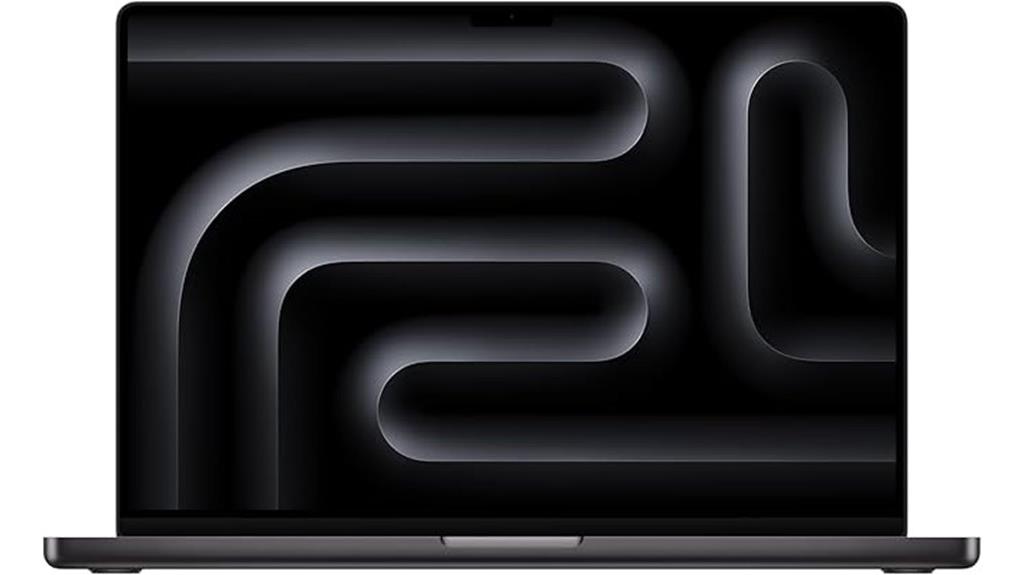
The Apple 2024 MacBook Pro (M4 Pro, 14-inch) is an ideal choice for professionals who need powerful performance in a portable package. It packs the M4 Pro chip, perfect for compiling code or running demanding creative applications, and offers exceptional speed and efficiency. The 16.2-inch Liquid Retina XDR display delivers stunning visuals with high brightness, contrast, and color accuracy—great for detailed 3D work. Its all-day battery life guarantees you stay productive without frequent charging. Seamlessly integrated into the Apple ecosystem, it supports smooth cross-device workflows and privacy protections, making it a versatile, powerhouse tool for 3D modeling, simulations, and intensive tasks.
Best For: professionals and creatives who need a portable yet powerful laptop capable of handling demanding tasks like 3D rendering, coding, and multimedia editing.
Pros:
- Exceptional performance with M4 Pro chip for demanding workflows
- Stunning 16.2-inch Liquid Retina XDR display with high brightness and color accuracy
- All-day battery life supports extended work sessions without frequent charging
Cons:
- Higher price point may be a barrier for some users
- 14-inch model offers slightly less screen real estate than larger counterparts
- Limited upgradeability due to Apple’s integrated design
Amazon Product B0DLHDCN6P
As an affiliate, we earn on qualifying purchases.
Apple 2024 MacBook Pro Laptop with M4 Pro
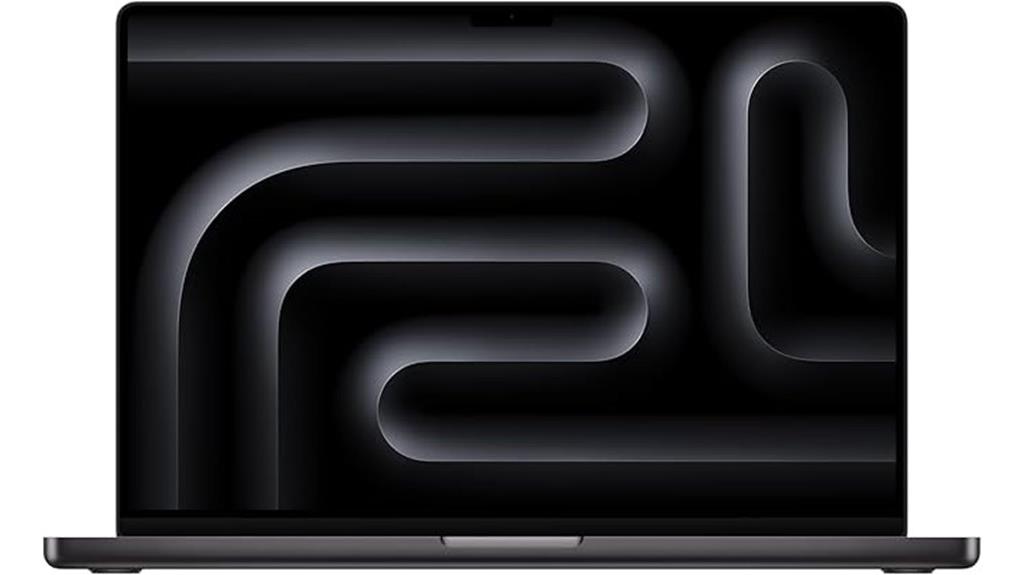
Designed for power users who demand top-tier performance, the Apple 2024 MacBook Pro with M4 Pro excels at handling demanding tasks like 3D rendering and simulation. Its 16.2-inch Liquid Retina XDR display offers stunning visuals with 1 billion colors, 1600 nits brightness, and ProMotion technology for smooth motion. Powered by the M4 Pro chip, it delivers a 14-core CPU, 20-core GPU, and up to 128GB of RAM, ensuring fast, efficient processing. The sleek aluminum chassis balances portability and power, with long battery life and extensive connectivity options, including Thunderbolt 5 ports. It’s a highly capable machine for professional creatives and engineers alike.
Best For: power users like professional creatives, engineers, and demanding software developers who require top-tier performance, stunning visuals, and extensive connectivity.
Pros:
- Exceptional performance with the M4 Pro chip, ideal for demanding tasks like 3D rendering and simulation
- Stunning 16.2-inch Liquid Retina XDR display with high brightness, true color accuracy, and ProMotion technology for smooth visuals
- Long battery life supporting up to 24 hours of video streaming and extensive connectivity options including Thunderbolt 5 ports
Cons:
- Premium price point may be prohibitive for some users
- Slightly heavy at 4.71 pounds, which could impact portability for some users
- Large size may be less convenient for those seeking ultra-compact laptops
Amazon Product B0DLBX4B1K
As an affiliate, we earn on qualifying purchases.
Apple 2024 Mac mini Desktop Computer with M4 Chip
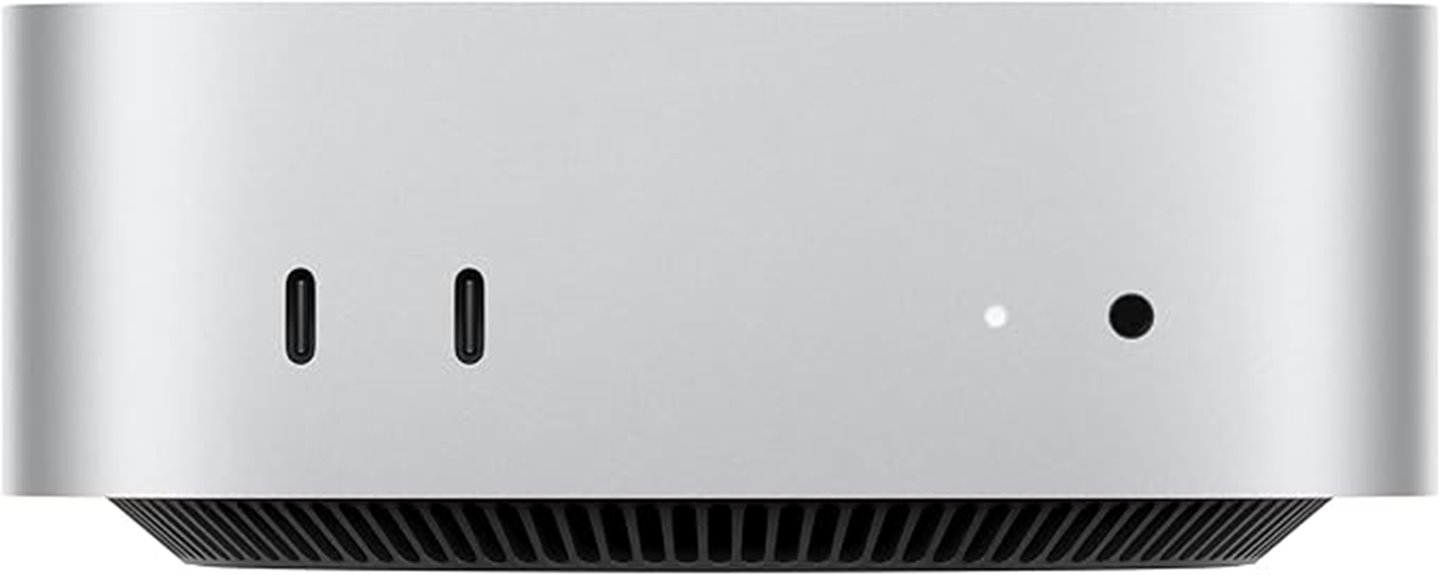
For professionals seeking a compact yet powerful desktop, the Apple 2024 Mac mini with M4 chip stands out as an ideal choice, especially when working on 3D modeling and simulations. Its 10-core CPU and GPU deliver impressive performance, ensuring smooth, responsive workflows. With 16GB of unified memory and a 512GB SSD, it handles demanding tasks with ease. The redesigned small form factor fits easily next to monitors or on crowded desks. Multiple ports, including Thunderbolt, HDMI, Gigabit Ethernet, and front-facing USB-C, offer versatile connectivity. Seamlessly integrating with other Apple devices, this Mac mini combines power, efficiency, and portability—perfect for high-performance tasks in a compact package.
Best For: professionals and creative users who need a compact, high-performance desktop capable of handling demanding tasks like 3D modeling and simulations.
Pros:
- Powerful M4 chip with 10-core CPU and GPU delivers excellent performance for intensive applications.
- Small, sleek design easily fits next to monitors or on crowded desks, saving space.
- Versatile connectivity options including Thunderbolt, HDMI, Gigabit Ethernet, and front-facing USB-C and headphone jack.
Cons:
- Limited upgradeability due to the integrated design of Apple silicon.
- Higher price point compared to traditional desktops with similar hardware specifications.
- Lacks built-in internal expansion options, restricting future upgrades.
Apple 2024 MacBook Pro Laptop with M4 Max
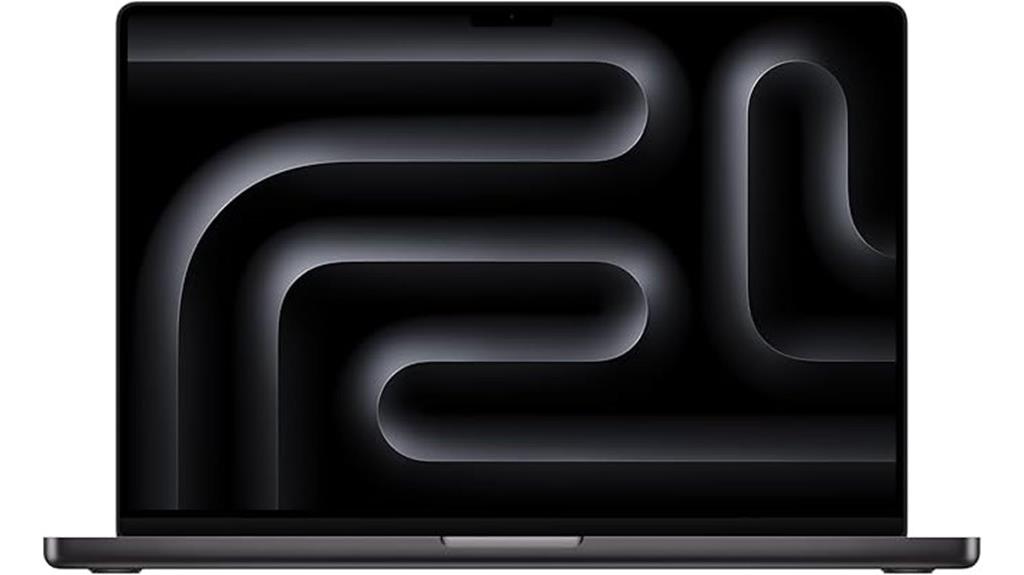
If you’re tackling demanding 3D rendering or simulation work, the Apple 2024 MacBook Pro with M4 Max stands out with its powerful 16-core CPU and 40-core GPU, delivering exceptional performance. Its 16.2-inch Liquid Retina XDR display offers stunning visuals with 1600 nits brightness, true color accuracy, and ProMotion for smooth motion at 120Hz. With 48GB of unified memory and up to 8TB SSD storage, it handles large files and multitasking effortlessly. The laptop’s extensive port selection, high-fidelity speakers, and long battery life make it a versatile, professional-grade machine perfect for intensive workflows on the go or in the studio.
Best For: professionals and creatives engaged in demanding tasks like 3D rendering, video editing, and AI workflows who require top-tier performance, extensive display real estate, and advanced multimedia capabilities.
Pros:
- Exceptional performance with the M4 Max chip, supporting intensive workflows effortlessly
- Stunning 16.2-inch Liquid Retina XDR display with high brightness, true color, and smooth ProMotion refresh rate
- Extensive port selection, high-fidelity audio, and long battery life for versatile professional use
Cons:
- Heavier and larger design may impact portability for some users
- Premium price point ($3,600+) could be a barrier for budget-conscious buyers
- Limited upgradeability post-purchase due to integrated hardware
Apple 2023 MacBook Pro with M3 Max (16-Inch, 36GB RAM, 1TB SSD, Space Black, Renewed)
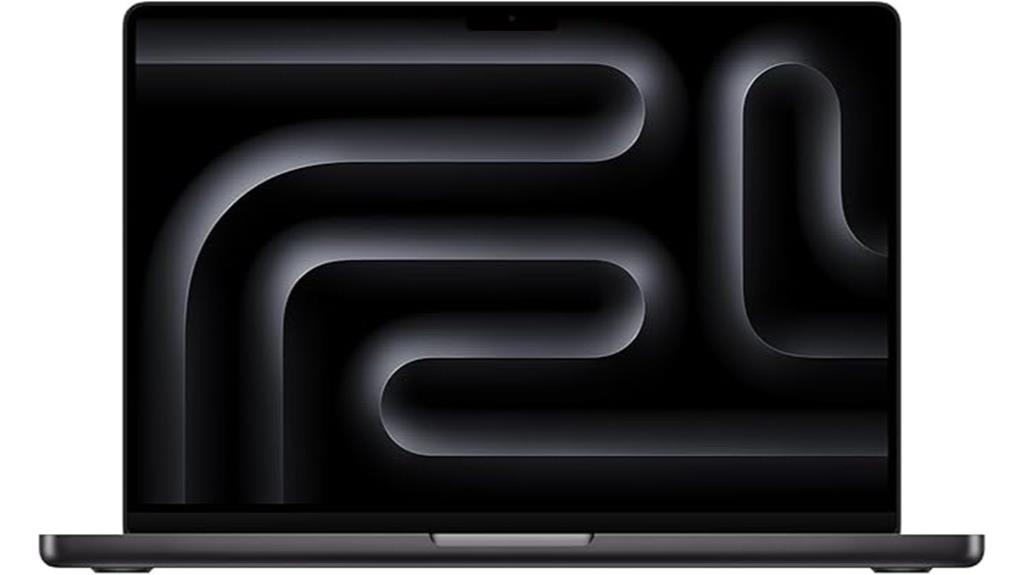
The Apple 2023 MacBook Pro with M3 Max (16-Inch, 36GB RAM, 1TB SSD, Space Black, Renewed) stands out as an excellent choice for professionals who need powerful, portable performance for 3D modeling and simulations. Despite being pre-owned, it’s professionally inspected, tested, and cleaned, with no visible cosmetic damage and a battery capacity over 80%. While not Apple certified, it offers compatible, fully functional accessories and comes with a one-year warranty for peace of mind. Its robust specs make it ideal for demanding creative workflows, combining portability with the raw power necessary for high-end 3D work.
Best For: professionals and creatives who require a powerful, portable MacBook Pro for demanding tasks like 3D modeling, simulations, and high-end creative workflows.
Pros:
- High-performance M3 Max chip with 36GB RAM for intensive multitasking and demanding applications
- Professionally inspected and tested, ensuring reliable pre-owned condition with over 80% battery capacity
- One-year warranty provides peace of mind and protection against potential issues
Cons:
- Not Apple certified, which may affect perceived authenticity and resale value
- Accessories may not be original, possibly limiting compatibility with certain peripherals
- Arrives in a generic box, which might be less premium than original packaging
Apple 2024 MacBook Pro Laptop with M4 Max
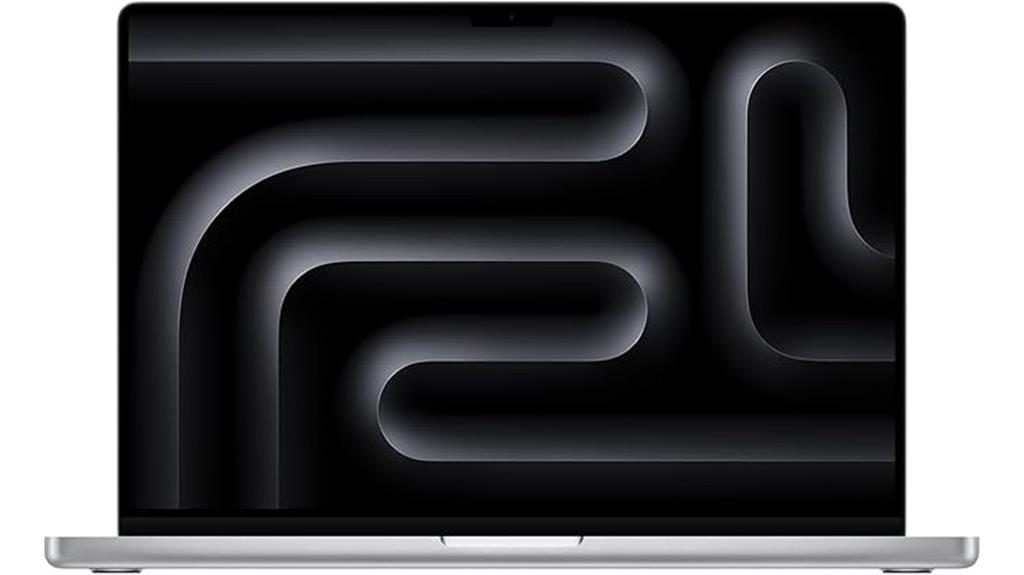
Powered by the latest M4 Max chip, the 2024 MacBook Pro delivers exceptional performance for demanding 3D and simulation tasks. Its M4 Max handles intensive workflows like 3D rendering with ease, while the Liquid Retina XDR display offers stunning visuals with high brightness and contrast, perfect for creative professionals. The device balances power and portability, providing all-day battery life for extended work sessions. Seamlessly integrating with the Apple ecosystem, it supports major apps like Adobe Creative Cloud and Microsoft 365, ensuring smooth productivity. Built with top-tier privacy and sleek design, the 2024 MacBook Pro stands out as a top choice for power users.
Best For: creative professionals and power users who require high performance for demanding tasks like 3D rendering, simulation, and intensive workflows.
Pros:
- Exceptional performance with M4 Max chip optimized for demanding workloads
- Stunning 16.2-inch Liquid Retina XDR display with high brightness and contrast
- Seamless integration within the Apple ecosystem for enhanced productivity and security
Cons:
- Premium price point may be costly for some users
- Heavier than ultraportable laptops, potentially affecting portability during extended travel
- Limited upgradeability post-purchase due to Apple’s design choices
Apple 2024 MacBook Pro with M4 Max Laptop
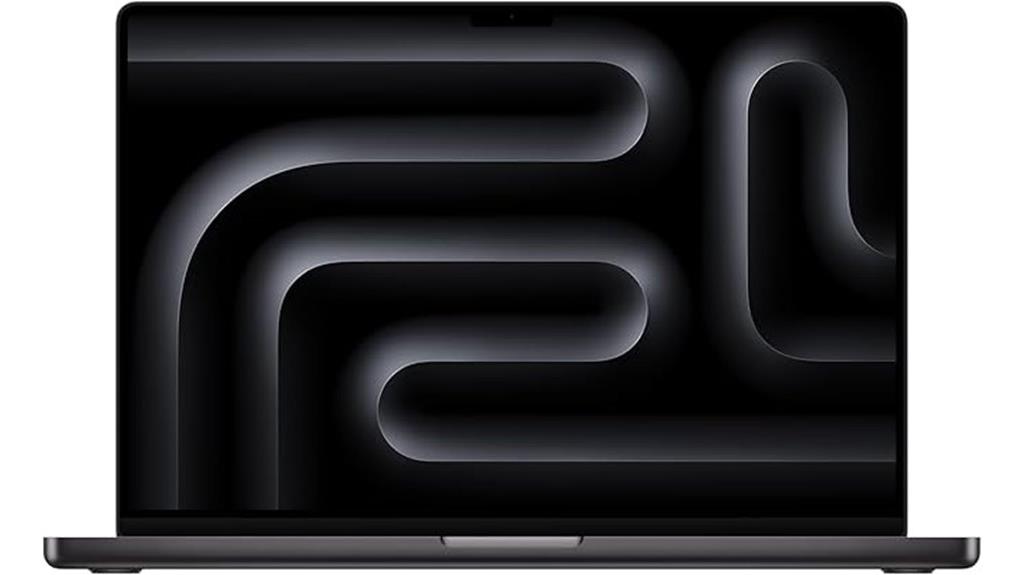
For professionals who need top-tier performance in 3D rendering and simulation, the Apple 2024 MacBook Pro with M4 Max delivers unmatched power and efficiency. Equipped with M4 Pro or M4 Max chips, it handles demanding tasks like compiling large codebases or complex workflows such as 3D rendering. The 16.2-inch Liquid Retina XDR display offers stunning visuals with peak brightness up to 1600 nits and a 1,000,000:1 contrast ratio, ensuring vibrant colors and deep blacks. Its 36GB of unified memory and 32-core GPU provide the performance necessary for intensive workloads, all in a sleek, portable design with long-lasting battery life.
Best For: professionals requiring high-performance computing for 3D rendering, simulation, and demanding workflows within a portable, visually stunning laptop.
Pros:
- Exceptional processing power with M4 Max chip and 32-core GPU for intensive tasks
- Outstanding display quality with Liquid Retina XDR, high brightness, and contrast ratio
- Long battery life and sleek design ideal for professional on-the-go use
Cons:
- Premium price point may be a barrier for some users
- Limited to 1TB SSD storage, which might be insufficient for extremely large files
- Heavier than some ultraportables, potentially affecting portability for very frequent travelers
Apple 2024 Mac mini Desktop Computer with M4 Chip
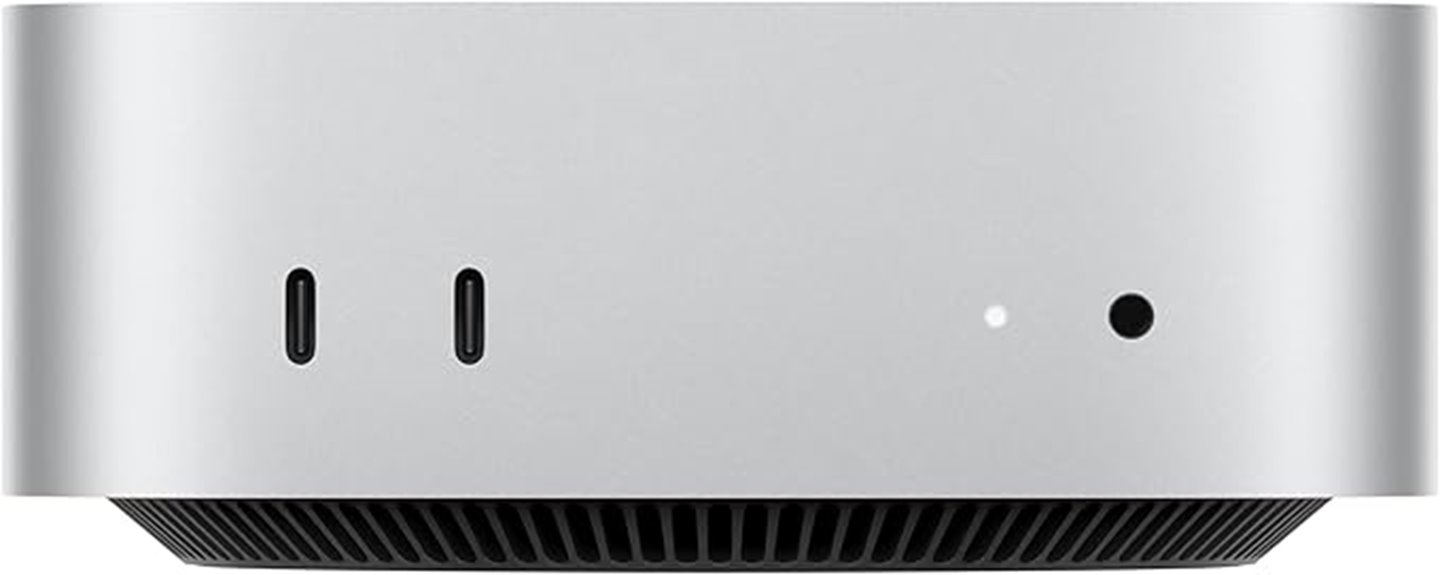
If you’re seeking a compact yet powerful desktop, the Apple 2024 Mac mini with M4 chip is an excellent choice for professionals who need high performance in limited space. Its sleek 5×5-inch design fits easily next to monitors or in tight spots, yet it packs a punch with a 10-core CPU and GPU driven by the M4 chip. With 24GB of unified memory and a 512GB SSD, it handles demanding tasks smoothly. Connectivity options like Thunderbolt, HDMI, and gigabit Ethernet, combined with seamless macOS integration, make it perfect for 3D work and simulations. Despite its small size, it delivers impressive power and versatility.
Best For: professionals and creative users who need a compact, high-performance desktop with seamless Apple ecosystem integration.
Pros:
- Compact size fits easily in limited spaces without sacrificing power
- Equipped with the powerful M4 chip featuring a 10-core CPU and GPU for demanding tasks
- Excellent connectivity options including Thunderbolt, HDMI, and gigabit Ethernet
Cons:
- Limited to 512GB SSD storage, which may require external solutions for extensive data needs
- No dedicated graphics card, relying solely on the M4 integrated GPU
- Might be considered expensive relative to other small form factor PCs with similar specs
Apple 2024 MacBook Pro Laptop with M4 Chip (14.2-inch, 16GB, 1TB SSD, Space Black)
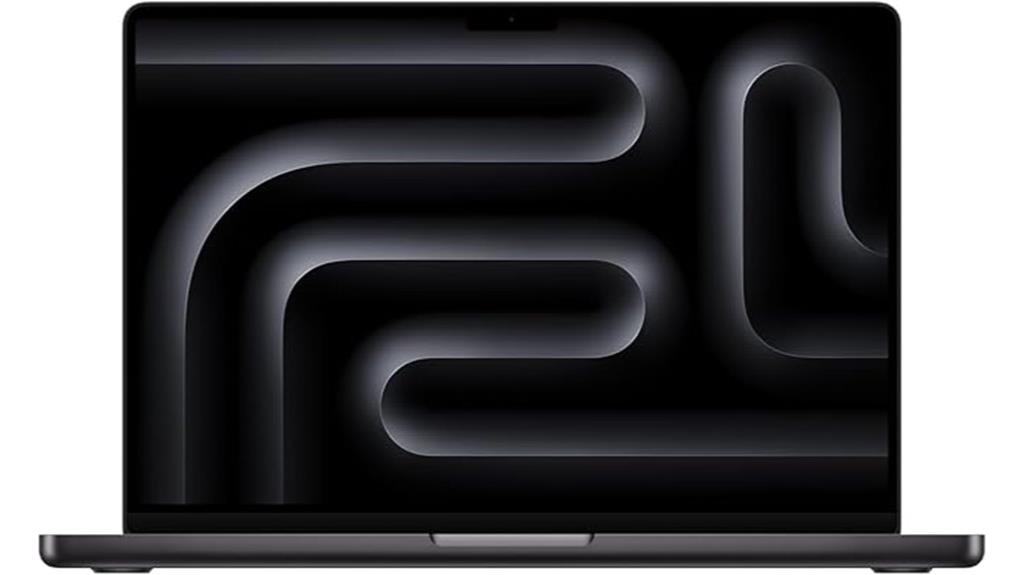
The Apple 2024 MacBook Pro with M4 chip stands out as an excellent choice for professionals engaged in 3D modeling and simulation, thanks to its incredible processing power and advanced graphics capabilities. Its 10-core CPU and 10-core GPU with hardware-accelerated ray tracing deliver smooth rendering and real-time feedback. The 16GB (configurable to 24GB or 32GB) unified memory and 1TB SSD ensure fast data access and storage. The stunning 14.2-inch Liquid Retina XDR display provides precise visuals with HDR support and ProMotion technology for responsiveness. Lightweight yet powerful, it’s ideal for intensive workflows and creative tasks on the go.
Best For: creative professionals, developers, and power users seeking a portable yet high-performance laptop for demanding tasks like 3D modeling, video editing, and software development.
Pros:
- Exceptional performance with a powerful 10-core CPU and GPU, ideal for intensive workflows
- Stunning 14.2-inch Liquid Retina XDR display with HDR and ProMotion technology for vibrant visuals and smooth responsiveness
- Lightweight and sleek design (3.41 pounds), offering portability without sacrificing power
Cons:
- Premium price point may be a barrier for some users
- Limited upgrade options post-purchase, especially for RAM and storage
- The Space Black finish, while stylish, may show fingerprints and smudges more easily
Apple Mac mini Desktop Computer with M4 Pro Chip, 24GB Memory, 512GB SSD
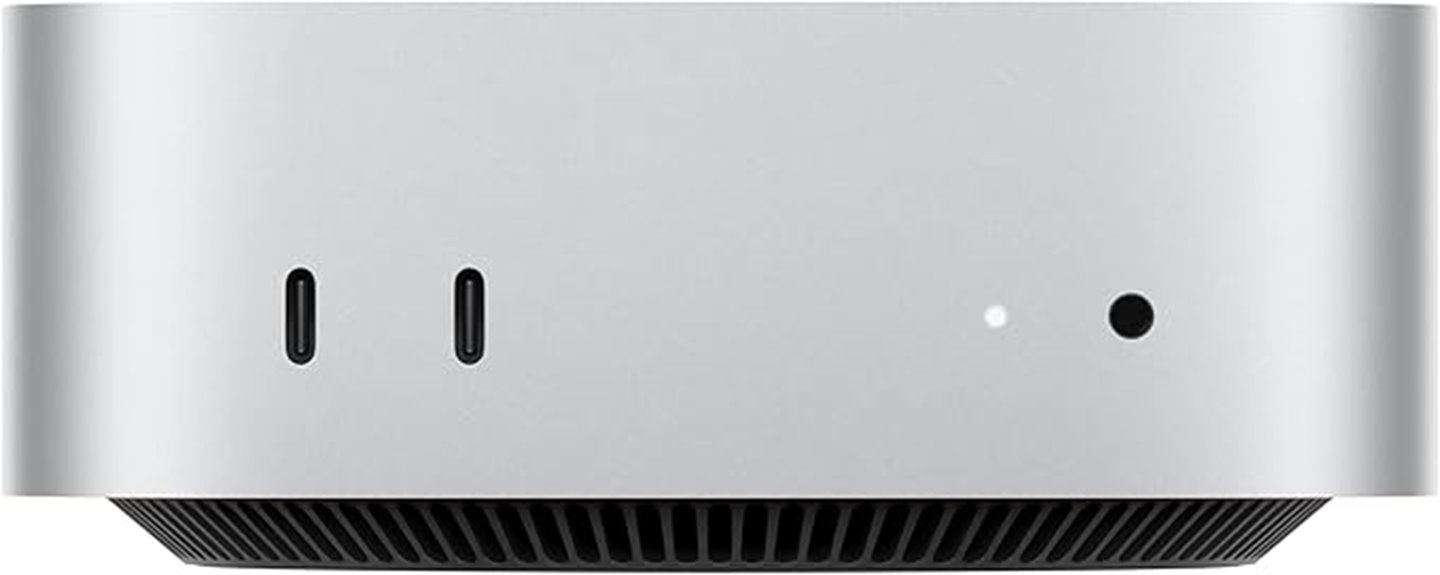
Anyone seeking a compact yet powerful desktop solution for 3D and simulation work will find the Apple Mac mini with M4 Pro chip an excellent choice, thanks to its impressive processing capabilities and versatile connectivity. Its small five-by-five-inch design packs a 12-core CPU and 16-core GPU, delivering exceptional speed for demanding tasks. With 24GB of unified memory and a 512GB SSD, multitasking is smooth, and data access is fast. The Mac mini offers a range of ports, including Thunderbolt, HDMI, Gigabit Ethernet, USB-C, and a headphone jack, making it easy to connect peripherals and networks effortlessly.
Best For: professionals and creatives requiring a compact yet powerful desktop for 3D modeling, simulations, and multitasking within the Apple ecosystem.
Pros:
- Compact design fits easily into any workspace without sacrificing performance
- Powerful M4 Pro chip with 12-core CPU and 16-core GPU for demanding tasks
- Seamless integration with other Apple devices enhances productivity and user experience
Cons:
- Limited internal storage of 512GB may require external solutions for large files
- Lack of dedicated ports for legacy peripherals could necessitate adapters
- Premium price point may be a consideration for budget-conscious users
Apple 2024 MacBook Pro Laptop with M4 Pro, 12-core CPU, 16-core GPU
https://m.media-amazon.com/images/I/61-oTP1X4rL._AC_SX679_.jpg
For professionals requiring powerful portable computing, the Apple 2024 MacBook Pro with the M4 Pro chip is an excellent choice, especially with its 12-core CPU and 16-core GPU. It handles demanding tasks like 3D rendering, simulations, and code compilation with ease. The 14.2-inch Liquid Retina XDR display delivers vibrant visuals and up to 1600 nits peak brightness, perfect for creative work. With 24GB of unified memory and a 512GB SSD, multitasking is smooth, and data access is fast. Its seamless integration within the Apple ecosystem, combined with enhanced privacy features, makes it a versatile, high-performance tool for professionals on the go.
Best For: professionals and creative users who need powerful portable computing, high-quality visuals, and seamless integration within the Apple ecosystem.
Pros:
- Exceptional performance with M4 Pro chip, 12-core CPU, and 16-core GPU for demanding tasks
- Stunning 14.2-inch Liquid Retina XDR display with high brightness and contrast for vibrant visuals
- Robust multitasking capabilities supported by 24GB of unified memory and 512GB SSD
Cons:
- Limited storage options may require external solutions for large data needs
- Premium price point could be a barrier for budget-conscious users
- Potential overkill for casual or light computing tasks
Apple 2024 MacBook Pro Laptop with M4 Max
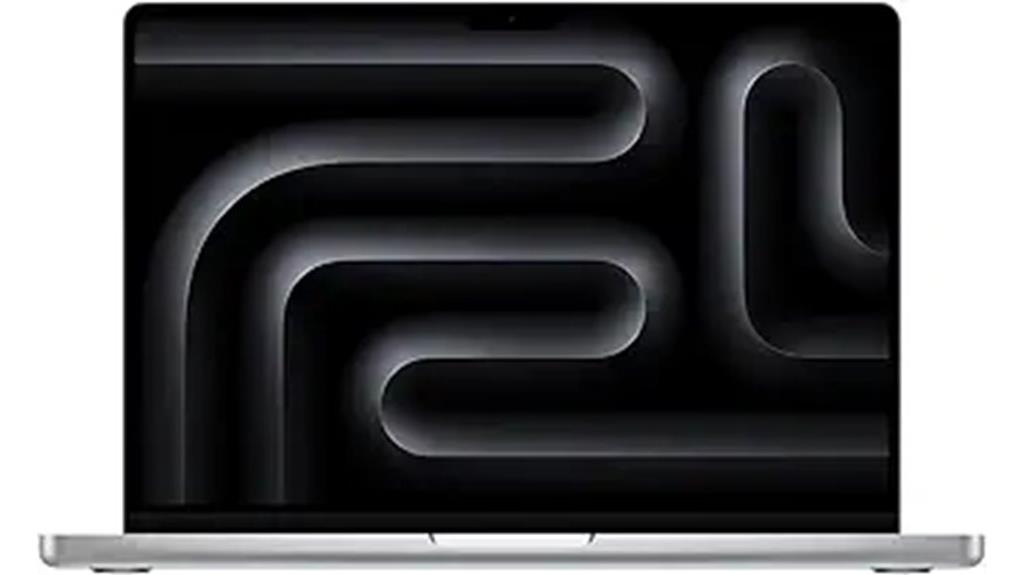
If you’re tackling demanding 3D modeling or complex simulations, the Apple 2024 MacBook Pro with M4 Max is an exceptional choice. It features powerful M4 Max chips with a 14-core CPU and 32-core GPU, handling intensive workflows like rendering detailed 3D content effortlessly. The 14.2-inch Liquid Retina XDR display offers stunning visuals with up to 1600 nits peak brightness, perfect for creative work. Its all-day battery life and portability make it ideal for professionals on the move. Optimized for Apple Silicon, it seamlessly runs major apps, while features like iPhone Mirroring enhance productivity and privacy.
Best For: professionals and creatives who require powerful performance for demanding 3D modeling, rendering, and complex workflows on a portable, high-quality device.
Pros:
- Exceptional performance with M4 Max chip, 14-core CPU, and 32-core GPU for intensive tasks
- Stunning 14.2-inch Liquid Retina XDR display with up to 1600 nits peak brightness for vibrant visuals
- All-day battery life and lightweight design ideal for on-the-go productivity
Cons:
- Higher price point may be a barrier for some users
- Limited upgradeability due to integrated Apple Silicon architecture
- Potential overkill for casual or basic computing needs
Apple Mac mini Desktop Computer with M4 Chip (256GB SSD, 16GB RAM)
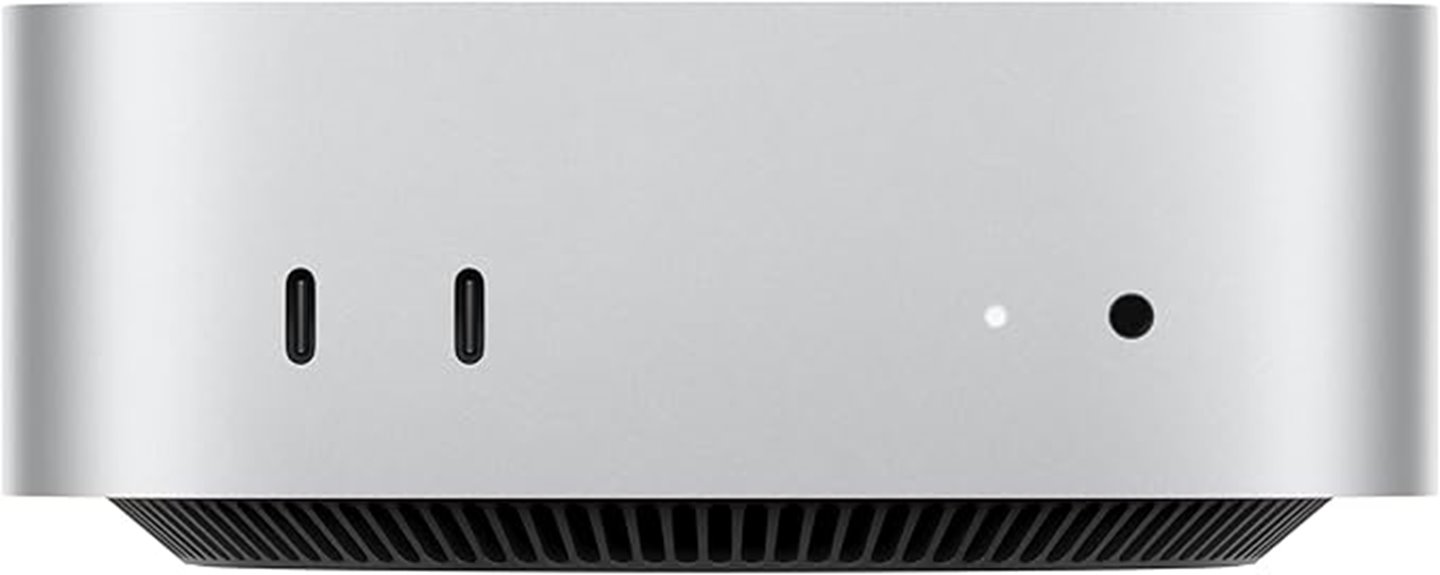
The Apple Mac mini with M4 chip, 16GB RAM, and 256GB SSD stands out as an ideal choice for professionals who need a compact yet powerful workstation for 3D modeling and simulation tasks. Its 10-core CPU and GPU deliver exceptional speed and fluidity, while the unified memory guarantees smooth multitasking. The small size—just five by five inches—fits easily next to monitors or in tight spaces. With extensive connectivity options like Thunderbolt, HDMI, USB-C, and Ethernet, it’s versatile for any setup. Powered by Apple silicon, it offers impressive performance, efficient workflows, and seamless integration within the Apple ecosystem, making it a versatile tool for demanding creative work.
Best For: professionals and creatives who need a compact yet powerful workstation for 3D modeling, simulation, and multitasking within the Apple ecosystem.
Pros:
- Exceptional performance with 10-core CPU and GPU powered by the M4 chip for smooth workflows
- Compact size (5×5 inches) ideal for small spaces and versatile setups
- Extensive connectivity options including Thunderbolt, HDMI, USB-C, and Ethernet for flexible device integration
Cons:
- Limited internal storage at 256GB, which may require external drives for large files
- No dedicated graphics card options; reliant on integrated GPU for high-end rendering tasks
- Price point could be high for users seeking budget-friendly options
Factors to Consider When Choosing a Mac Pro for 3D and Simulation
When selecting a Mac Pro for 3D and simulation work, I consider key factors like processing power, graphics quality, and display resolution to guarantee smooth performance. It’s also important to evaluate memory and storage options to meet demanding project needs, along with software compatibility. By focusing on these aspects, you can choose a setup that handles your workload efficiently and reliably.
Processing Power Needs
Choosing the right Mac Pro for 3D and simulation work hinges on understanding its processing power. The number of CPU cores is essential because it directly affects how efficiently the Mac handles complex rendering and calculations. More cores mean better multitasking and faster processing of demanding tasks. Additionally, a high GPU core count and ample dedicated memory are indispensable for smooth graphics performance during intensive workflows. Sufficient RAM, such as 36GB or more, guarantees large projects run seamlessly without slowdowns. Hardware-accelerated media engines and fast storage options also play a critical role in reducing rendering times and boosting overall workflow speed. Finally, selecting between M4 Pro and M4 Max chips depends on the scale and complexity of your projects, ensuring maximum power for your specific needs.
Graphics and GPU Quality
A powerful GPU is crucial for 3D and simulation work because it directly influences rendering speed and the ability to handle complex models. Core count determines how efficiently it processes intricate scenes, while higher VRAM and memory bandwidth support larger textures and detailed effects smoothly. Professional GPUs with hardware-accelerated ray tracing elevate realism, making visuals more accurate and immersive. Compatibility with advanced graphics APIs like Metal and OpenCL ensures we maximize GPU performance across applications. Additionally, thermal design and power efficiency are important for maintaining consistent performance during prolonged, intensive tasks. In essence, choosing a Mac Pro with a high-quality GPU means better rendering speeds, smoother workflows, and enhanced visual fidelity—crucial factors for demanding 3D and simulation work.
Display and Resolution
High-quality visuals in 3D modeling and simulation heavily depend on the display’s resolution and color accuracy. A minimum of 4K resolution is essential to see fine details and complex textures clearly. I recommend looking for a display with a wide color gamut, such as P3 or AdobeRGB, to guarantee colors are vibrant and true to life, which is critical for accurate rendering. A high contrast ratio, ideally over 1,000,000:1, helps distinguish subtle shading and depth cues in intricate visuals. Support for HDR content and high dynamic range enhances realism and clarity, making scenes more lifelike. Additionally, adaptive refresh rate technology like ProMotion up to 120Hz provides smoother visualization during interactive tasks, reducing motion blur and improving overall workflow.
Memory and Storage Options
Maximizing performance in 3D rendering and simulation depends heavily on selecting the right memory and storage options. I recommend opting for at least 36GB of RAM or more, as higher capacity dramatically boosts performance with demanding tasks. The unified memory architecture in Macs allows for faster data transfer between CPU, GPU, and RAM, making workflows more efficient. For storage, SSDs ranging from 512GB to 8TB provide quick data access and ample space for large project files and software. Upgrading to larger memory and storage not only improves current performance but also future-proofs your system against increasing project complexity. Ultimately, the ideal balance between memory size and storage capacity depends on your specific workload needs and budget constraints.
Compatibility With Software
When choosing a Mac Pro for 3D and simulation work, verifying software compatibility is essential to guarantee smooth performance. I make sure that industry-standard tools like Autodesk Maya, Blender, and SolidWorks are supported, especially since they often rely on specific hardware acceleration features for ideal performance. I also check that the macOS version supports the latest updates for these applications, preventing compatibility issues. The GPU architecture, like the 32-core GPU in M4 Max models, must meet or exceed the recommended graphics requirements for rendering and real-time visualization. Additionally, I confirm that the Mac Pro can handle large datasets with up to 128GB of RAM and supports hardware-accelerated decoding and encoding for formats like ProRes, H.264, and AV1, which are vital for media-intensive workflows.
Port Selection and Expandability
Choosing a Mac Pro for 3D and simulation work means paying close attention to port selection and expandability, as these features directly impact workflow flexibility and future-proofing. Multiple Thunderbolt 4 or 5 ports are crucial for high-speed data transfer and connecting multiple external displays or peripherals. USB-C ports add versatility for accessories and external drives essential in professional workflows. Expandability through additional ports or modular components allows for future upgrades, like extra storage or specialized I/O cards. Supporting high-resolution monitors, such as 6K or 8K displays, requires specific ports with sufficient bandwidth, like Thunderbolt or HDMI. Finally, having legacy ports or adapters ensures compatibility with older equipment, maintaining seamless integration within evolving setups.
Portability and Size
Considering the size and weight of a Mac Pro is essential because these factors directly influence how easily you can transport and set up the device for 3D and simulation work. Larger models with extensive hardware tend to be bulkier and heavier, making them less portable for on-the-go use. If you need mobility, smaller options like the Mac mini offer better portability but might lack the power required for demanding tasks. A portable Mac should fit comfortably into a standard backpack or carrying case for frequent movement. On the other hand, larger MacBook Pros with high-resolution displays, while powerful, can be cumbersome and less convenient to carry around. Overall, balancing size, weight, and workspace compatibility guarantees you choose a Mac that meets your mobility needs without sacrificing performance.
Frequently Asked Questions
How Does Thermal Management Affect Performance During Prolonged 3D Rendering?
Thermal management plays a essential role in maintaining performance during prolonged 3D rendering. When a system heats up, it can throttle the CPU or GPU, reducing speed to prevent damage. I’ve noticed that good cooling solutions keep temperatures stable, allowing my Mac Pro to run at peak performance longer without slowdown. Proper thermal management guarantees consistent rendering speeds and prevents overheating, which is critical for demanding tasks like 3D and simulations.
Are External GPUS Compatible With Mac Pro for Enhanced 3D Processing?
Yes, external GPUs are compatible with Mac Pro and can substantially boost 3D processing power. Imagine plugging in a sleek, high-powered beast that releases extra graphics muscle, making your renders smoother and faster. I’ve seen how connecting an external GPU transforms workflows, especially during intensive tasks. Just make sure you choose a compatible Thunderbolt 3 or 4 enclosure, and you’ll open new levels of performance for your 3D and simulation projects.
What Is the Maximum RAM Capacity Supported for 3D Simulation Tasks?
The maximum RAM capacity for 3D simulation tasks on a Mac Pro is 1.5TB. I recommend upgrading to the highest RAM option available because 3D rendering and simulations demand significant memory for smooth performance. With this much RAM, you’ll enjoy faster processing, better multitasking, and more efficient workflows. So, if you’re serious about 3D work, opting for the max RAM support is definitely the way to go.
How Do Software Compatibility and Optimization Impact Hardware Choices?
Choosing the right hardware is like finding the perfect suit—it has to fit well and work seamlessly. Software compatibility and optimization are vital because if your hardware isn’t optimized for your tools, you’ll face slow renderings and crashes. I always check whether my software supports the latest hardware and is optimized for Mac Pro. This guarantees smooth performance, saving time, and avoiding frustration during demanding 3D and simulation projects.
Is There a Recommended Storage Type for Large 3D Project Files?
For large 3D project files, I recommend using NVMe SSD storage. It offers blazing-fast read/write speeds that drastically reduce load times and improve workflow efficiency. Internal NVMe drives are ideal because they’re integrated and faster than external options. If you need extra space or backups, an external SSD with Thunderbolt 3 or 4 connectivity provides excellent performance without slowing down your project work.
Conclusion
Choosing the right Mac Pro for 3D and simulation is like selecting the perfect engine for a high-performance race car. With options packed with powerful M4 chips, ample RAM, and stunning displays, you’ll have the speed and precision to tackle demanding projects. Trusting one of these top picks means your creative journey will stay smooth and unstoppable—like a well-tuned machine roaring down the track, ready to conquer whatever you throw at it.