
For most people choosing a MacBook Pro for live streaming and content creation, I’d start with the 2026 16-inch M5 Pro: its 24GB of memory, 1TB SSD, and large XDR display make it a strong balance for streaming, editing, and multitasking. The 2025 14-inch M5 is a more portable pick, while the M5 Max models suit demanding multi-camera work and heavy creative projects. The main tradeoffs are processing headroom versus portability, memory and storage versus workflow needs, and newer hardware versus the uncertainties of buying renewed models. Read on for how I’d match each option to a creator’s workload.

Turn your quiet moments into listening time
- Thousands of audiobooks, podcasts and originals
- Listen on your phone, tablet or Echo — also offline
- Cancel anytime
Key Takeaways
- The 2026 16-inch M5 Pro is the balanced lead pick: it pairs a large editing workspace with 24GB of memory and 1TB of storage without stepping up to an M5 Max configuration.
- The two 16-inch M5 Max listings share the same core specs: 128GB of memory and 2TB SSD; the listed difference is Space Black versus Silver, so choose by finish and seller details rather than assumed performance.
- The 2025 14-inch M5 favors mobility: its smaller display and 16GB of memory make it a more portable option, though heavy editing alongside streaming leaves less headroom than the M5 Pro.
- Older renewed models need closer scrutiny: the 2021 M1 Pro has a stronger modern-creator fit than the Intel 2020 model or low-memory 13-inch listings, but condition and remaining software support matter.
- Memory and storage shape creator comfort: 8GB/256GB configurations can constrain simultaneous apps and local footage, while a large SSD reduces reliance on external drives during active projects.
| Apple 2024 MacBook Pro 16-inch with M4 Max Chip, 48GB RAM, 1TB SSD, Space Black (Renewed) |  | Best for Demanding Live Production | Processor: Apple M4 Max chip | Display: 16-inch Liquid Retina XDR | Memory: 48GB unified memory | VIEW ON AMAZON | See Our Full Breakdown |
| Apple 2020 MacBook Pro 13-inch with 2.3GHz Intel Core i7, 32GB RAM, 1TB SSD, Space Gray (Renewed) |  | Best for Intel-Dependent Workflows | Processor: 2.3GHz quad-core 10th-generation Intel Core i7 | Memory: 32GB RAM | Storage: 1TB SSD | VIEW ON AMAZON | See Our Full Breakdown |
| Apple 2026 MacBook Pro Laptop with M5 Pro Chip, 16.2-inch Liquid Retina XDR Display, 24GB RAM, 1TB SSD, Wi-Fi 7, Space Black |  | Best Newer-Generation All-Rounder | Processor: Apple M5 Pro, 18-core CPU and 20-core GPU | Display: 16.2-inch Liquid Retina XDR | Memory: 24GB unified memory | VIEW ON AMAZON | See Our Full Breakdown |
| Apple 2021 MacBook Pro (16.2-inch, M1 Pro chip, 10-core CPU, 16-core GPU, 16GB RAM, 512GB SSD) – Space Gray |  | Best Value for a Large-Screen Apple Silicon Setup | Model year: 2021 | Processor: Apple M1 Pro, 10-core CPU | GPU: 16-core GPU | VIEW ON AMAZON | See Our Full Breakdown |
| Apple MacBook Pro 13-inch (Renewed) |  | Best for Basic Streaming on a Tight Workflow | Processor: 8th-generation quad-core Intel Core i5 | Display: 13-inch Retina with True Tone | Memory: 8GB RAM | VIEW ON AMAZON | See Our Full Breakdown |
| Apple MacBook Pro Laptop with M5 Max, 16.2-inch Display, 128GB Memory, 2TB SSD, Silver |  | Best for Multicam Production | Display: 16.2-inch Liquid Retina XDR | Processor: M5 Max, 18-core CPU | Graphics: 40-core GPU | VIEW ON AMAZON | See Our Full Breakdown |
| Apple MacBook Pro MPXV2LL/A Laptop (Renewed, Space Gray, 13.3-inch, 256GB SSD, 8GB RAM, Mac OS) | 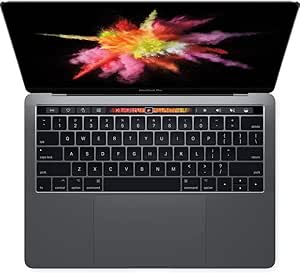 | Best for Basic Streaming on a Tight Setup | Display: 13.3-inch Retina, 2560 x 1600 | Processor: 3.1GHz dual-core Intel Core i5, Turbo Boost up to 3.5GHz | Memory: 8GB 2133MHz LPDDR3 | VIEW ON AMAZON | See Our Full Breakdown |
| Apple MacBook Pro 13-inch with M1 Chip (Renewed, Space Gray, 8GB RAM, 256GB SSD) |  | Best Renewed Starter Mac | Display: 13.3-inch Retina, 2560 x 1600 | Processor: Apple M1 | Graphics: 8-core GPU, shared graphics memory | VIEW ON AMAZON | See Our Full Breakdown |
| Apple MacBook Pro Laptop with M5 Max, 16.2-inch Display, 128GB Unified Memory, 2TB SSD, Space Black |  | Best Premium Studio Workstation | Display: 16.2-inch Liquid Retina XDR | Processor: M5 Max, 18-core CPU | Graphics: 40-core GPU | VIEW ON AMAZON | See Our Full Breakdown |
| Apple 2025 MacBook Pro Laptop with M5 Chip, 14.2-inch Liquid Retina XDR Display, 16GB RAM, 1TB SSD, Space Black |  | Best Balanced Portable Pick | Display: 14.2-inch Liquid Retina XDR | Processor: Apple M5, 10-core CPU | Graphics: 10-core GPU | VIEW ON AMAZON | See Our Full Breakdown |
| macbook pro for live streaming and content creation | Processor | Display | Memory | Storage |
|---|---|---|---|---|
| Apple 2024 MacBook Pro 16-inch | Apple M4 Max chip | 16-inch Liquid Retina XDR | 48GB unified memory | 1TB SSD |
| Apple 2020 MacBook Pro 13-inch | 2.3GHz quad-core 10th-generation Intel Core i7 | 13-inch Retina with True Tone | 32GB RAM | 1TB SSD |
| Apple 2026 MacBook Pro Laptop | Apple M5 Pro, 18-core CPU and 20-core GPU | 16.2-inch Liquid Retina XDR | 24GB unified memory | 1TB SSD |
| Apple 2021 MacBook Pro | Apple M1 Pro, 10-core CPU | 16.2-inch Liquid Retina XDR | 16GB RAM | 512GB SSD |
| Apple MacBook Pro 13-inch | 8th-generation quad-core Intel Core i5 | 13-inch Retina with True Tone | 8GB RAM | 256GB SSD |
| Apple MacBook Pro Laptop with | M5 Max, 18-core CPU | 16.2-inch Liquid Retina XDR | 128GB | 2TB SSD |
| Apple MacBook Pro MPXV2LL/A La | 3.1GHz dual-core Intel Core i5, Turbo Boost up to 3.5GHz | 13.3-inch Retina, 2560 x 1600 | 8GB 2133MHz LPDDR3 | 256GB SSD |
| Apple MacBook Pro 13-inch with | Apple M1 | 13.3-inch Retina, 2560 x 1600 | 8GB RAM | 256GB SSD |
| Apple MacBook Pro Laptop with | M5 Max, 18-core CPU | 16.2-inch Liquid Retina XDR | 128GB unified memory | 2TB SSD |
| Apple 2025 MacBook Pro Laptop | Apple M5, 10-core CPU | 14.2-inch Liquid Retina XDR | 16GB unified memory | 1TB SSD |
More Details on Our Top Picks
Apple 2024 MacBook Pro 16-inch with M4 Max Chip, 48GB RAM, 1TB SSD, Space Black (Renewed)
For creators running a demanding stream while editing footage or managing several production apps, the M4 Max and 48GB of unified memory give this 16-inch model more headroom than the M1 Pro or either Intel 13-inch option here. Its Liquid Retina XDR display offers a roomy, color-focused workspace for timeline editing and visual checks, while HDMI, SDXC, MagSafe, and Thunderbolt connections can reduce dependence on adapters when adding capture or storage gear. The tradeoff is portability: at 16 inches, this renewed laptop is less convenient to carry between locations, and its condition or warranty may be less predictable than a new model. Compared with the 2026 M5 Pro MacBook Pro, it has more listed memory, but buyers should weigh that against the newer model’s stated Wi-Fi 7 and Thunderbolt 5 connectivity.
Pros:- M4 Max chip and 48GB unified memory suit demanding multitasking and creative workflows.
- 16-inch Liquid Retina XDR display provides a large workspace for editing and visual review.
- 1TB SSD offers room for active projects and media files.
- HDMI, SDXC, MagSafe, and Thunderbolt provide useful connections for production setups.
Cons:- Renewed condition may mean cosmetic wear or less warranty coverage than a new laptop.
- The 16-inch design is less convenient to transport than the 13-inch models in this lineup.
- The listing does not specify battery capacity or a precise battery-life figure.
Best for: Video creators and live streamers who run multiple production apps, work with large media files, and want a large built-in display.
Not ideal for: Travel-heavy streamers who prioritize a lighter, smaller laptop, or buyers who want the reassurance of a new device and its warranty terms.
- Processor:Apple M4 Max chip
- Display:16-inch Liquid Retina XDR
- Memory:48GB unified memory
- Storage:1TB SSD
- Ports:MagSafe, HDMI, SDXC card slot, Thunderbolt
- Color:Space Black
- Keyboard:QWERTY English Magic Keyboard with Touch ID
- Condition:Renewed
Our verdict“Choose this renewed M4 Max when performance, memory, and a large editing screen matter more than portability and new-device certainty.”
Apple 2020 MacBook Pro 13-inch with 2.3GHz Intel Core i7, 32GB RAM, 1TB SSD, Space Gray (Renewed)
This 13-inch MacBook Pro is the lineup’s clearest fit for a creator who needs an Intel-based Mac or relies on software and workflows suited to that platform. Its 32GB of RAM and 1TB SSD are generous for an older compact model, giving a streamer more room for browser tabs, production tools, and local project files than the 8GB renewed 13-inch option. But the quad-core Intel Core i7 and Intel Iris Plus graphics are a less compelling foundation for graphics-heavy editing than the M1 Pro 16-inch or the newer M-series models. The 13-inch Retina screen also leaves less room for timelines and streaming controls. I’d choose it for specific Intel compatibility, not as the general-purpose performance pick, and I’d check the renewed device’s warranty terms before buying.
Pros:- 32GB RAM supports heavier multitasking than the 8GB 13-inch renewed MacBook Pro.
- 1TB SSD provides useful local capacity for active projects.
- 13-inch Retina display with True Tone keeps the laptop compact while offering a quality screen.
- Listed one-year limited warranty gives a specific coverage term.
Cons:- Intel Iris Plus graphics are a weaker fit for graphics-intensive editing than the M-series models in this roundup.
- The 13-inch display offers less editing and control-panel space than the 16-inch MacBook Pros.
- USB-C-only ports may require adapters for some streaming and media-card setups.
Best for: Creators who need a compact MacBook Pro with Intel compatibility, substantial memory, and a 1TB internal drive.
Not ideal for: Buyers starting a demanding multi-camera or effects-heavy workflow, or anyone who wants the performance headroom and larger workspace of an Apple silicon 16-inch model.
- Processor:2.3GHz quad-core 10th-generation Intel Core i7
- Memory:32GB RAM
- Storage:1TB SSD
- Display:13-inch Retina with True Tone
- Graphics:Intel Iris Plus
- Ports:USB-C
- Warranty:1-year limited
- Condition:Renewed
Our verdict“Pick this renewed Intel model when compatibility with Intel-based tools outweighs the stronger creative performance and larger displays of the Apple silicon options.”
Apple 2026 MacBook Pro Laptop with M5 Pro Chip, 16.2-inch Liquid Retina XDR Display, 24GB RAM, 1TB SSD, Wi-Fi 7, Space Black
The 2026 M5 Pro is the balanced choice for a creator who wants a large workstation display and current connectivity without moving up to the M4 Max model’s 48GB memory. Its 18-core CPU, 20-core GPU, and 24GB unified memory make it better equipped for livestreaming alongside creative work than the older M1 Pro and Intel machines listed here, while the 12MP Center Stage camera gives solo presenters a built-in camera designed to keep them in frame. Three Thunderbolt 5 ports, HDMI, SDXC, and MagSafe also suit a desk-based production rig. Compared with the 2024 M4 Max, it has less listed memory; compared with the 2021 M1 Pro, it offers newer stated connectivity and a newer-generation chip. At 4.71 pounds, it is still a substantial carry, and the Apple ecosystem may not suit every setup.
Pros:- M5 Pro with an 18-core CPU and 20-core GPU is suited to demanding creative workloads.
- 12MP Center Stage camera is useful for presenters who want a built-in camera that can keep them framed.
- Thunderbolt 5, HDMI, and SDXC support a varied production setup.
- 16.2-inch Liquid Retina XDR display gives editing and stream controls a spacious workspace.
Cons:- 24GB memory is lower than the 48GB offered by the 2024 M4 Max model.
- At 4.71 pounds, it is a heavy choice for frequent location changes.
- Its Apple ecosystem focus may not fit buyers whose production tools depend on other platforms.
Best for: Streamers and video creators who want a new-generation 16-inch MacBook Pro, built-in Center Stage camera, and modern wired and wireless connectivity.
Not ideal for: Frequent travelers seeking a lightweight streaming laptop, or memory-intensive professionals who would benefit from the M4 Max model’s 48GB allocation.
- Processor:Apple M5 Pro, 18-core CPU and 20-core GPU
- Display:16.2-inch Liquid Retina XDR
- Memory:24GB unified memory
- Storage:1TB SSD
- Connectivity:Wi-Fi 7 and Bluetooth 6
- Ports:Three Thunderbolt 5, MagSafe 3, SDXC, HDMI, headphone jack
- Camera:12MP Center Stage
- Weight:4.71 pounds
Our verdict“Choose the M5 Pro for a newer, well-connected 16-inch streaming and editing workstation, unless you need the M4 Max’s extra listed memory.”
Apple 2021 MacBook Pro (16.2-inch, M1 Pro chip, 10-core CPU, 16-core GPU, 16GB RAM, 512GB SSD) – Space Gray
The 2021 M1 Pro remains a sensible entry to a large-screen Apple silicon workflow: its 16.2-inch Liquid Retina XDR display gives editors room for a timeline and streaming controls, while the 10-core CPU and 16-core GPU are a stronger creative foundation than the Intel Iris Plus graphics in the 2020 13-inch model. The listed up-to-21-hour battery life also suits creators who work away from a desk, though actual runtime depends on workload. Its limits show up beside newer options: the 2026 M5 Pro lists 24GB memory and Thunderbolt 5, while this model has 16GB and 512GB storage. That smaller drive can fill quickly with recordings and source media. I’d favor it for creators who want a capable large-screen Mac and can manage storage, rather than those who need maximum memory or the newest connectivity.
Pros:- M1 Pro 10-core CPU and 16-core GPU offer a stronger creative platform than the listed Intel 13-inch models.
- 16.2-inch Liquid Retina XDR display provides generous space for editing and stream controls.
- Listed battery life is up to 21 hours.
- Six-speaker system with force-cancelling woofers provides built-in audio for monitoring and playback.
Cons:- 16GB RAM is below the 24GB in the 2026 M5 Pro and the 48GB in the 2024 M4 Max.
- 512GB SSD can constrain creators who store recorded streams and source footage locally.
- It lacks the newer-generation features and connectivity listed for the 2026 M5 Pro.
Best for: Video editors and streamers seeking a large-screen Apple silicon MacBook Pro for moderate creative workloads, with projects stored partly on external drives.
Not ideal for: Creators who keep extensive video libraries on the laptop, run memory-heavy production workloads, or want newer connectivity such as Thunderbolt 5.
- Model year:2021
- Processor:Apple M1 Pro, 10-core CPU
- GPU:16-core GPU
- Display:16.2-inch Liquid Retina XDR
- Memory:16GB RAM
- Storage:512GB SSD
- Battery life:Up to 21 hours
- Camera:1080p FaceTime HD
Our verdict“Choose the M1 Pro when you want a large Apple silicon editing screen and can work within 16GB memory and 512GB storage.”
Apple MacBook Pro 13-inch (Renewed)
This renewed 13-inch MacBook Pro is the most limited option here for content creation, but it can suit a simple streaming setup built around lighter tasks. The quad-core Intel Core i5 and 8GB RAM are a step below the 32GB Intel Core i7 13-inch model, so running a stream, editing software, and many background apps together leaves less room to grow. Its 256GB SSD is also the smallest listed drive in this batch, making external storage or frequent file offloading part of the workflow for anyone recording video. The compact Retina display is easier to carry than the 16-inch M1 Pro or M5 Pro, but provides less room for production controls. I’d reserve it for basic streaming and light edits; creators expecting sustained, complex post-production should move up to the M1 Pro or newer models.
Pros:- 13-inch Retina display with True Tone keeps the laptop compact while providing a clear screen.
- Quad-core Intel Core i5 can handle lighter creative and streaming tasks.
- Touch ID offers a convenient way to access the laptop.
- Intel Iris Plus Graphics 645 supports the built-in display and everyday visual tasks.
Cons:- 8GB RAM is restrictive for simultaneous streaming, editing, and multitasking compared with the 32GB Intel 13-inch option.
- 256GB SSD leaves limited room for recorded streams and source footage.
- Renewed condition may come with less predictable cosmetic condition or warranty coverage.
Best for: New or occasional creators who need a compact Mac for basic streaming, simple edits, and a small number of active projects.
Not ideal for: Creators who record long streams locally, edit large video projects, or expect to run multiple demanding production apps at once.
- Processor:8th-generation quad-core Intel Core i5
- Display:13-inch Retina with True Tone
- Memory:8GB RAM
- Storage:256GB SSD
- Graphics:Intel Iris Plus Graphics 645
- Color:Space Gray
- Condition:Renewed
- Input and security:Touch Bar and Touch ID
Our verdict“Pick this renewed 13-inch model only for basic streaming and light editing; step up to a higher-memory MacBook Pro for regular production work.”
Apple MacBook Pro Laptop with M5 Max, 16.2-inch Display, 128GB Memory, 2TB SSD, Silver
For live streams that involve several camera feeds, layered graphics, and editing afterward, this 16-inch M5 Max has the strongest headroom in this group. Its 18-core CPU, 40-core GPU, and 128GB of memory are better suited to demanding creative sessions than the 14-inch M5 MacBook Pro with 16GB, especially when multiple apps need to stay open. The 2TB SSD also leaves more room for local footage and project files before an external drive becomes part of the workflow. Three Thunderbolt 5 ports, HDMI, and an SDXC slot make camera and display connections more direct. The tradeoff is size and cost: for a single-camera stream or mostly lightweight editing, the 14-inch M5 is easier to carry and likely a more sensible fit.
Pros:- 18-core CPU and 40-core GPU suit demanding streaming and editing workloads
- 128GB unified memory supports large projects and many open creative apps
- 2TB SSD provides room for active footage and project files
- HDMI and SDXC alongside Thunderbolt 5 simplify connecting displays and camera media
Cons:- Large 16.2-inch chassis is less convenient to carry than the 14-inch M5 model
- High-end hardware is more than many single-camera or entry-level streaming workflows need
- Apple ecosystem limits appeal for buyers who prefer other platforms
Best for: Video creators running multicamera livestreams, complex overlays, and demanding post-production projects who need substantial memory and local storage.
Not ideal for: Traveling creators with simple streaming setups, or buyers who do not need the M5 Max’s high-end processing and memory capacity.
- Display:16.2-inch Liquid Retina XDR
- Processor:M5 Max, 18-core CPU
- Graphics:40-core GPU
- Memory:128GB
- Storage:2TB SSD
- Ports:Three Thunderbolt 5, MagSafe 3, SDXC, HDMI, headphone jack
- Wireless:Wi-Fi 7, Bluetooth 6
- Battery life:All-day
Our verdict“Choose this Silver M5 Max when multicamera streaming and demanding editing justify its large memory and performance; otherwise, the 14-inch M5 is the more manageable choice.”
Apple MacBook Pro MPXV2LL/A Laptop (Renewed, Space Gray, 13.3-inch, 256GB SSD, 8GB RAM, Mac OS)
This renewed 13-inch Intel MacBook Pro is a basic entry point for creators who mainly stream a webcam, manage a simple scene, and handle everyday editing. Its 2-pound weight and 13.3-inch Retina display make it easier to move between a desk, classroom, or travel setup than either 16.2-inch M5 Max model. Compared with the renewed 13-inch M1 MacBook Pro in this roundup, though, its older dual-core Intel processor and 8GB of RAM give it less headroom for heavier editing or running streaming software alongside other demanding apps. The 256GB SSD can also fill quickly with recorded streams. This is best treated as a modest, portable machine for light workloads, not a dependable choice for complex scenes or frequent high-resolution production.
Pros:- Light 2-pound design is easy to carry between work locations
- 2560 x 1600 Retina display provides a sharp workspace for basic edits
- SSD storage offers quick access to apps and files
- Backlit keyboard supports working in dim streaming spaces
Cons:- Dual-core Intel processor and 8GB RAM leave limited room for demanding streaming workloads
- 256GB storage may require an external drive for recorded footage
- Renewed condition and battery health can vary
Best for: A budget-conscious beginner who needs a lightweight Mac for simple webcam streams, basic edits, and everyday productivity.
Not ideal for: Creators building complex OBS scenes, editing large video projects, or seeking a long-term machine for demanding live production.
- Display:13.3-inch Retina, 2560 x 1600
- Processor:3.1GHz dual-core Intel Core i5, Turbo Boost up to 3.5GHz
- Memory:8GB 2133MHz LPDDR3
- Storage:256GB SSD
- Graphics:Intel Iris Plus Graphics 650
- Weight:2 pounds
- Battery:54.5-watt-hour lithium-ion
- Connectivity:USB, Wi-Fi 802.11ac, Bluetooth
Our verdict“Pick this renewed Intel model for portable, simple streaming on a limited setup, but choose the renewed M1 MacBook Pro for more capable processing.”
Apple MacBook Pro 13-inch with M1 Chip (Renewed, Space Gray, 8GB RAM, 256GB SSD)
The renewed 13-inch M1 MacBook Pro is the more practical starter pick than the older Intel model in this group. Its M1 chip and 8-core GPU offer a stronger base for routine editing and a straightforward single-camera stream, while the stated battery life of up to 20 hours suits creators who work away from an outlet. The sharp 13.3-inch Retina display is useful for timelines and monitoring a stream, though it gives less room for controls than the 16.2-inch M5 Max models. Its main limits are 8GB of memory and 256GB of storage: large libraries, many simultaneous apps, and complex video effects can push beyond what this configuration comfortably supports. Renewed condition may vary, so it suits buyers who accept that uncertainty in exchange for an M1-based entry into Mac content creation.
Pros:- M1 processor and 8-core GPU provide a capable foundation for basic editing and streaming
- Up to 20 hours of stated battery life supports mobile work
- 13.3-inch Retina display has a sharp 2560 x 1600 resolution
- Compact form is easier to carry than the 16-inch M5 Max models
Cons:- 8GB memory can constrain multitasking and more complex creative projects
- 256GB SSD leaves limited room for recorded streams and source media
- Renewed condition may vary, and graphics memory is shared
Best for: New creators who want a portable Mac for single-camera streaming, light video editing, and mobile productivity.
Not ideal for: Streamers working with multiple cameras, heavy effects, large local footage libraries, or a requirement for a new device with predictable condition.
- Display:13.3-inch Retina, 2560 x 1600
- Processor:Apple M1
- Graphics:8-core GPU, shared graphics memory
- Memory:8GB RAM
- Storage:256GB SSD
- Battery life:Up to 20 hours
- Weight:3 pounds
- Connectivity:Wireless, Bluetooth, Wi-Fi 802.11a/b
Our verdict“Choose this renewed M1 for portable, entry-level streaming and editing, but move to an M5 model if your sessions involve heavier multitasking or production work.”
Apple MacBook Pro Laptop with M5 Max, 16.2-inch Display, 128GB Unified Memory, 2TB SSD, Space Black
This Space Black M5 Max is the premium workstation pick for creators who want a large editing canvas and top-tier capacity for live production. Its 18-core CPU, 40-core GPU, and 128GB unified memory suit demanding effects, layered scenes, and editing while other production apps remain open. Like the Silver M5 Max, it pairs those components with a 2TB SSD, Thunderbolt 5, HDMI, and SDXC; the choice between them is mainly finish, not streaming capability. Compared with the 14-inch M5 MacBook Pro, this model offers far more memory and GPU capacity, but it is also larger and aimed at workloads that can use that extra power. For routine webcam broadcasts and basic edits, its scale and high-end specification are difficult to justify.
Pros:- 128GB unified memory gives substantial capacity for complex creative sessions
- M5 Max 18-core CPU and 40-core GPU target demanding production workloads
- 16.2-inch Liquid Retina XDR screen offers generous space for timelines and controls
- Thunderbolt 5, HDMI, and SDXC support a varied studio setup
Cons:- Large chassis is less suited to frequent travel than the 14-inch M5
- The high-end configuration is unnecessary for basic streaming and editing
- Apple ecosystem may not suit creators who rely on non-Apple workflows
Best for: Established video professionals who produce demanding streams, edit high-resolution footage, and want a large built-in workspace with extensive memory.
Not ideal for: Casual or mobile creators whose streams are simple, or buyers who would be better served by a smaller, less specialized MacBook Pro.
- Display:16.2-inch Liquid Retina XDR
- Processor:M5 Max, 18-core CPU
- Graphics:40-core GPU
- Memory:128GB unified memory
- Storage:2TB SSD
- Ports:Three Thunderbolt 5, MagSafe 3, SDXC, HDMI, headphone jack
- Wireless:Wi-Fi 7, Bluetooth 6
- Battery life:All-day
Our verdict“Choose the Space Black M5 Max as a premium studio workstation when your production workload can use its memory and GPU headroom, not just for occasional streaming.”
Apple 2025 MacBook Pro Laptop with M5 Chip, 14.2-inch Liquid Retina XDR Display, 16GB RAM, 1TB SSD, Space Black
The 14-inch M5 MacBook Pro is the most balanced choice here for creators who stream regularly but do not need a full workstation. Its 10-core CPU and GPU, 16GB of unified memory, and 1TB SSD provide a more capable everyday setup than either renewed 13-inch model, with more storage for recordings than their 256GB drives. The 14.2-inch Liquid Retina XDR display is also easier to bring along than the 16.2-inch M5 Max models, while HDMI, SDXC, and three Thunderbolt 4 ports cover common camera-media and monitor connections. The tradeoff is headroom: it cannot match the 128GB memory and 40-core GPU in either M5 Max option for heavier effects or large, complex projects. For most solo creators, that sacrifice buys a more portable system without dropping to entry-level hardware.
Pros:- M5 10-core CPU and GPU offer a capable base for streaming and content creation
- 16GB unified memory is a step up from the 8GB renewed models
- 1TB SSD gives more local project space than the 256GB options
- HDMI, SDXC, and three Thunderbolt 4 ports support common production connections
Cons:- Less processing and memory headroom than either 16-inch M5 Max configuration
- 14.2-inch screen provides less workspace than the 16.2-inch models
- The listed configuration may still need external storage for extensive video archives
Best for: Solo streamers and video creators who want a portable, current-generation Mac for regular broadcasts, editing, and content work.
Not ideal for: Production teams handling complex multicamera scenes, heavy effects, or projects that benefit from the M5 Max’s much larger memory and GPU capacity.
- Display:14.2-inch Liquid Retina XDR
- Processor:Apple M5, 10-core CPU
- Graphics:10-core GPU
- Memory:16GB unified memory
- Storage:1TB SSD
- Battery life:All-day
- Ports:Three Thunderbolt 4, MagSafe 3, SDXC card slot, HDMI, headphone jack
- Color:Space Black
Our verdict“Choose the 14-inch M5 for a capable, portable streaming and editing machine; opt for an M5 Max only when your production workload calls for substantially more headroom.”
How We Picked
I ranked these MacBook Pros for the work a creator actually does: running a streaming app alongside a browser, audio tools, and capture software, then editing or exporting footage afterward. I weighed chip generation and tier, memory, storage, display size, and portability together rather than treating any one specification as a guarantee of streaming quality. I also separated new configurations from renewed listings, since used-device condition and seller terms can change the ownership experience.
The 2026 M5 Pro ranks first because its listed configuration offers a broad fit for demanding creation without the M5 Max’s unusually large memory allocation. The M5 Max models follow for specialist workloads, while the compact 14-inch M5 and older M-series systems serve different mobility and value needs. Intel-era and low-memory renewed options rank lower because their listed specifications offer less headroom for current multitasking; near-identical listings are distinguished only where the supplied details support a real difference.
| macbook pro for live streaming and content creation | Ports | Battery life |
|---|---|---|
| Apple 2024 MacBook Pro 16-inch | MagSafe, HDMI, SDXC card slot, Thunderbolt | — |
| Apple 2020 MacBook Pro 13-inch | USB-C | — |
| Apple 2026 MacBook Pro Laptop | Three Thunderbolt 5, MagSafe 3, SDXC, HDMI, headphone jack | — |
| Apple 2021 MacBook Pro | — | Up to 21 hours |
| Apple MacBook Pro 13-inch | — | — |
| Apple MacBook Pro Laptop with | Three Thunderbolt 5, MagSafe 3, SDXC, HDMI, headphone jack | All-day |
| Apple MacBook Pro MPXV2LL/A La | — | — |
| Apple MacBook Pro 13-inch with | — | Up to 20 hours |
| Apple MacBook Pro Laptop with | Three Thunderbolt 5, MagSafe 3, SDXC, HDMI, headphone jack | All-day |
| Apple 2025 MacBook Pro Laptop | Three Thunderbolt 4, MagSafe 3, SDXC card slot, HDMI, headphone jack | All-day |
Factors to Consider When Choosing Macbook Pro For Live Streaming And Content Creation
I’d choose around the entire production chain, not just the live broadcast. The right MacBook Pro depends on how many apps run at once, how much footage stays local, whether the laptop travels, and how much risk you’re comfortable taking on with renewed hardware.
Match Memory to Your Live-and-Edit Workflow
Streaming software rarely runs alone: a typical session may also include a browser, chat, audio routing, graphics, and a recording or editing app. That makes memory headroom more useful than a chip label by itself, especially when you want to keep several tools open without closing your production workspace. A modest configuration can work for a simple single-camera stream, but layered scenes and high-resolution editing raise the demand. Don’t buy extra memory just because a creator workload sounds demanding; first list the applications you expect to run together. Since memory is not a practical later upgrade on these laptops, it is one of the choices I’d make carefully at purchase.
Choose Storage Around Your Footage Habits
Recorded streams and source clips can fill internal storage faster than the finished exports suggest. A 1TB or 2TB SSD gives active projects more room, while a smaller drive can work if you already use fast external storage and keep a disciplined archive. External drives add cost, cables, and another item to manage during a mobile stream, but they can be a sensible way to separate working files from long-term archives. Avoid planning around the idea that you will never keep raw footage locally if you routinely edit immediately after recording. Leave room for apps, cache files, and project versions, not only the final video.
Balance Screen Space Against Mobility
A 16-inch display gives editing timelines and streaming controls more room, which can reduce how often you rearrange windows during production. A 14-inch model is easier to carry and can make more sense when the laptop moves between locations or connects to an external monitor at home. Screen size does not replace a proper external display for color-critical work, and a larger laptop may still be less convenient in a compact streaming setup. Think about where you will monitor chat, preview the stream, and edit footage. If those jobs usually happen at a desk, prioritize workspace; if you travel often, portability may matter more than the built-in screen area.
Buy for the Whole Production Chain
A capable laptop cannot compensate for a weak internet connection, poor lighting, or unreliable audio. Before paying for a higher chip tier, identify the part of your setup that currently limits quality: encoding capacity, capture hardware, storage speed, microphone setup, or network stability. A creator streaming one camera and editing straightforward clips may gain more from dependable audio and a stable wired connection than from moving to an extreme processor configuration. By contrast, multi-camera production and effects-heavy editing can make extra processing and memory worthwhile. Keep a portion of your setup budget for the equipment that connects the laptop to the audience.
Treat Renewed Models as a Separate Purchase Decision
Renewed can make an older MacBook Pro accessible, but a model name alone says little about its present condition. Check the seller’s return window, battery condition information, included charger, keyboard and display coverage, and the exact configuration before buying. The 2021 M1 Pro listing is a different proposition from an Intel-era 13-inch model, so avoid grouping all renewed options together as one tier. Also check that your streaming, capture, and editing applications support the machine’s operating system and processor. If a live event is business-critical, predictable support and warranty coverage may matter more than obtaining older hardware at a lower outlay.
Pay for Headroom Only When Your Workload Uses It
The M5 Max’s 128GB memory and 2TB storage target demanding creative workflows, not every streamer. That capacity can make sense for complex projects, extensive media libraries, and work that keeps many large assets active, but it is excessive for a basic stream and occasional edits. A higher chip tier does not automatically improve camera quality, scene design, or audience connection. Estimate your workload over the next few years, including the type of footage you expect to edit, rather than buying for a hypothetical studio. When your work is moderate, a balanced M5 Pro configuration can leave room in the budget for cameras, lighting, or audio gear.
Frequently Asked Questions
Is the 2026 M5 Pro a better streaming choice than the M5 Max?
For a typical single-camera stream with editing afterward, the M5 Pro’s listed 24GB memory and 1TB SSD are a more balanced fit than the M5 Max’s 128GB memory and 2TB drive. The Max becomes easier to justify when you handle unusually complex edits, large media projects, or several demanding creative tasks at once. Neither configuration determines stream quality on its own; internet stability, capture gear, and audio setup still matter. I’d select the Max for a workload that can use its headroom, not simply because it is the highest tier in this lineup.
Can a 14-inch MacBook Pro handle both streaming and editing?
The listed 2025 14-inch M5 has 16GB of memory and a 1TB SSD, making it a plausible choice for creators who value portability and work with moderate projects. It can be less comfortable than a 16-inch model when you need a timeline, stream controls, and reference material visible together. Connecting an external monitor at a desk can address the screen-space tradeoff, but it adds equipment to the setup. For heavy effects work or many apps open during a broadcast, I’d favor the M5 Pro’s higher listed memory.
Should I buy an older renewed MacBook Pro for content creation?
An older renewed model can suit lighter creation, but the configuration and condition matter more than the word “Pro.” The 2021 M1 Pro listing has a more compelling creator-oriented specification than the 2020 Intel i7 listing or the 8GB/256GB 13-inch options. Before choosing any renewed unit, check its battery condition, return terms, included accessories, and compatibility with your production software. If you depend on the computer for paid live work, a newer model with clear support and warranty coverage may be the safer fit.
Is 256GB of storage enough for streaming and video work?
It can be enough for streaming itself, since a broadcast does not require a large local video library. Content creation changes the calculation: source footage, project files, cache, apps, and exports can quickly compete for that space. A 256GB model is most workable if you record selectively and already rely on fast external storage. If you want to edit footage immediately or keep multiple projects on the laptop, the 1TB and 2TB configurations in this lineup offer more room to work without constant file shuffling.
Which of the two M5 Max listings should I choose?
The supplied core specifications are the same: each lists an M5 Max, a 16.2-inch display, 128GB of memory, and a 2TB SSD. One is Space Black and the other Silver, so the listed information does not support a performance-based ranking between them. Compare the exact seller, warranty, return terms, and included configuration details before deciding. Choose the finish you prefer once those purchase conditions are clear.
Conclusion
Best overall: I’d choose the 2026 16-inch M5 Pro for creators who want a spacious screen, 24GB of memory, and 1TB of storage in a balanced setup. Best premium: either 16-inch M5 Max listing suits demanding production that can use 128GB of memory and 2TB of storage; choose between them by finish and seller terms. Best for beginners: the 2025 14-inch M5 is the more approachable new option for learning to stream and edit while keeping the laptop portable. Best value: the 2021 M1 Pro renewed model is the older configuration I’d examine first, provided its condition and return terms check out. Best for specific needs: choose the 14-inch M5 for frequent travel, and consider a renewed Intel or low-memory 13-inch model only for light work with verified software compatibility. For a dependable, busy production workflow, I’d favor a newer M-series model over the least capable listing, and put any remaining setup budget toward audio, lighting, and networking.
Fall Picks
fall essentials
As an affiliate, we earn on qualifying purchases.