
Choosing the right MacBook Pro for software development requires balancing performance, portability, and budget. The 2026 lineup offers powerful options like the latest M5 chips, large RAM capacities, and high-resolution displays, but each has tradeoffs. The best overall pick delivers top performance without excess cost, while others excel in portability or raw power. Lower-priced options may sacrifice some speed or features, making them less ideal for demanding tasks. Continue reading for a detailed breakdown to find the perfect fit for your development needs.

Turn your quiet moments into listening time
- Thousands of audiobooks, podcasts and originals
- Listen on your phone, tablet or Echo — also offline
- Cancel anytime
Key Takeaways
- The 2026 MacBook Pro models with the M5 Pro and M5 Max chips stand out for their exceptional processing power suited for heavy coding, compiling, and multitasking.
- RAM capacity is a key differentiator; 48GB or 64GB options significantly improve performance during resource-heavy development environments.
- Display quality, especially Liquid Retina XDR, enhances clarity and reduces eye strain during long coding sessions, making premium screens worth the investment.
- Port selection and battery life vary across models; higher-end versions tend to offer more ports and longer usage, which matters during extended work sessions.
- Pricing remains a major factor—while premium models offer unmatched performance, the more affordable M5-based MacBook Air can suffice for lighter development tasks.
| Apple 2026 MacBook Air 15-inch Laptop with M5 Chip, 16GB RAM, 512GB SSD, Liquid Retina Display, Touch ID, Wi-Fi 7, Midnight |  | Best for Portability and Long Battery Life | Display: 15.3-inch Liquid Retina | Processor: M5 chip | Memory: 16GB Unified Memory | VIEW ON AMAZON | See Our Full Breakdown |
| Apple 2026 MacBook Pro Laptop with M5 Pro Chip, 16.2-inch Liquid Retina XDR Display, 48GB RAM, 1TB SSD, Wi-Fi 7, Space Black |  | Best for Heavy-Duty Professional Workloads | Display: 16.2-inch Liquid Retina XDR | Processor: Apple M5 Pro chip with 18-core CPU and 20-core GPU | Memory: 48GB Unified Memory | VIEW ON AMAZON | See Our Full Breakdown |
| Apple 2025 MacBook Pro Laptop with M5 Chip, 14.2-inch Liquid Retina XDR Display, 16GB RAM, 1TB SSD, Silver | 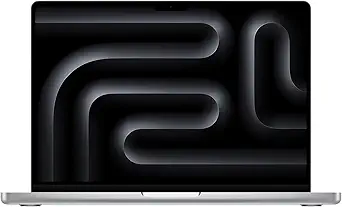 | Best for Compact Power and Seamless Ecosystem Integration | Display: 14.2-inch Liquid Retina XDR | Processor: Apple M5 chip with 10-core CPU and GPU | Memory: 16GB Unified Memory | VIEW ON AMAZON | See Our Full Breakdown |
| Apple 2021 MacBook Pro with M1 Max Chip, 14-inch, 64GB RAM, 2TB SSD, Silver (Renewed) |  | Best for Maxed-Out Multitasking and Heavy Processing | Display: 14-inch Retina LED | Processor: Apple M1 Max, 10-core CPU | Graphics: 24-Core GPU | VIEW ON AMAZON | See Our Full Breakdown |
| Apple MacBook Pro Laptop with M5 Max, 18-core CPU, 40-core GPU, 14.2-inch Liquid Retina XDR Display, 64GB RAM, 2TB SSD, Silver |  | Best for Extreme Performance and Creative Work | Display: 14.2-inch Liquid Retina XDR | Processor: M5 Max, 18-core CPU | GPU: 40-core GPU | VIEW ON AMAZON | See Our Full Breakdown |
| Apple 2025 MacBook Pro Laptop with M5 Chip, 14.2-inch Liquid Retina XDR Display, 16GB RAM, 1TB SSD, Space Black |  | Best for Power-Driven Development on the Go | Processor: Apple M5 chip with 10-core CPU and GPU | Display: 14.2-inch Liquid Retina XDR | Memory: 16GB Unified Memory | VIEW ON AMAZON | See Our Full Breakdown |
| macbook pro for software development | Display | Processor | Memory | Storage |
|---|---|---|---|---|
| Apple 2026 MacBook Air 15-inch | 15.3-inch Liquid Retina | M5 chip | 16GB Unified Memory | 512GB SSD |
| Apple 2026 MacBook Pro Laptop | 16.2-inch Liquid Retina XDR | Apple M5 Pro chip with 18-core CPU and 20-core GPU | 48GB Unified Memory | 1TB SSD |
| Apple 2025 MacBook Pro Laptop | 14.2-inch Liquid Retina XDR | Apple M5 chip with 10-core CPU and GPU | 16GB Unified Memory | 1TB SSD |
| Apple 2021 MacBook Pro with M1 | 14-inch Retina LED | Apple M1 Max, 10-core CPU | 64GB DDR4 SDRAM | 2TB SSD |
| Apple MacBook Pro Laptop with | 14.2-inch Liquid Retina XDR | M5 Max, 18-core CPU | 64GB Unified Memory | 2TB SSD |
| Apple 2025 MacBook Pro Laptop | 14.2-inch Liquid Retina XDR | Apple M5 chip with 10-core CPU and GPU | 16GB Unified Memory | 1TB SSD |
More Details on Our Top Picks
Apple 2026 MacBook Air 15-inch Laptop with M5 Chip, 16GB RAM, 512GB SSD, Liquid Retina Display, Touch ID, Wi-Fi 7, Midnight
The MacBook Air 15-inch stands out for its impressive 15.3-inch Liquid Retina display, making it ideal for developers who need a large, vibrant workspace without sacrificing portability. Compared to the MacBook Pro 14.2-inch, it offers a longer battery life—up to 18 hours—perfect for working unplugged. However, its lower power profile means it may struggle with very demanding tasks like compiling large codebases or running multiple virtual machines. The M5 chip provides a boost over older Intel-based Air models, but isn’t quite as powerful as the Pro’s M5 Pro or M5 Max chips. This makes it suitable for mobile developers or students who prioritize screen size and battery over raw power.
Pros:- Large, vibrant Liquid Retina display enhances coding and debugging workflows
- Exceptional battery life of up to 18 hours supports long coding sessions
- Lightweight at 3.32 pounds, easy to carry around
Cons:- Limited to two external displays, which may restrict multi-monitor setups
- Premium price for a model with less raw processing muscle compared to Pro options
Best for: Developers who prioritize screen real estate, long battery life, and portability for coding on the go
Not ideal for: Power users running intensive workloads like large-scale simulations or multi-VM setups, who need the raw processing power of a Pro or Max model
- Display:15.3-inch Liquid Retina
- Processor:M5 chip
- Memory:16GB Unified Memory
- Storage:512GB SSD
- Battery Life:Up to 18 hours
- Connectivity:Wi-Fi 7, Thunderbolt 4, MagSafe, Bluetooth 6
- Weight:3.32 pounds
Our verdict“This MacBook Air appeals most to developers valuing portability and display size over raw processing power.”
Apple 2026 MacBook Pro Laptop with M5 Pro Chip, 16.2-inch Liquid Retina XDR Display, 48GB RAM, 1TB SSD, Wi-Fi 7, Space Black
The MacBook Pro with M5 Pro offers a significant leap in processing power, making it the ideal choice for demanding software development tasks like compiling large projects, running multiple containers, or AI model training. Its 16.2-inch Liquid Retina XDR display rivals desktop monitors in color accuracy and contrast, which benefits developers working with graphics or UI-heavy applications. Compared to the MacBook Air 15-inch, it provides far more ports—including SDXC, HDMI, and Thunderbolt 5—supporting diverse workflows. The tradeoff is weight—at 4.71 pounds, it’s less portable—and the price might be steep for those not needing such high specs. This pick suits professional developers who require maximum performance and connectivity.
Pros:- Exceptional processing power with the M5 Pro’s 18-core CPU and 20-core GPU
- Large 48GB RAM handles heavy multitasking and large datasets smoothly
- Rich connectivity options including SDXC, HDMI, and Thunderbolt 5
Cons:- Heavy at nearly 4.7 pounds, less suited for frequent mobility
- Premium price point may be a barrier for smaller teams or individual hobbyists
Best for: Professional developers and creative teams needing maximum power, multiple ports, and high-resolution displays
Not ideal for: Developers on tight budgets or those prioritizing ultra-lightweight laptops for casual coding
- Display:16.2-inch Liquid Retina XDR
- Processor:Apple M5 Pro chip with 18-core CPU and 20-core GPU
- Memory:48GB Unified Memory
- Storage:1TB SSD
- Battery Life:All-day
- Connectivity:Wi-Fi 7, Thunderbolt 5, SDXC, HDMI, MagSafe 3
Our verdict“This MacBook Pro is best suited for developers who need top-tier performance and extensive connectivity in a portable package is less critical.”
Apple 2025 MacBook Pro Laptop with M5 Chip, 14.2-inch Liquid Retina XDR Display, 16GB RAM, 1TB SSD, Silver
The 14.2-inch MacBook Pro with M5 offers a compelling balance of performance and portability. Its high-performance M5 chip with a 10-core CPU and GPU makes it capable of handling most development tasks, including compiling code and running containers, though it may lag behind the M5 Pro or Max in extremely heavy workloads. The high-brightness Liquid Retina XDR display provides excellent clarity for UI work. Its port selection is somewhat limited—three Thunderbolt 4 ports plus MagSafe—potentially restricting complex workflows compared to the larger Pro models. Compared to the renewed MacBook Pro with M1 Max, it’s lighter and more recent but might lack the raw power needed for very demanding tasks. It’s well-suited for developers who value a compact form factor with high performance.
Pros:- Powerful M5 chip with high-performance CPU and GPU
- Compact 14.2-inch form factor enables easy portability
- Seamless Apple ecosystem integration
Cons:- Limited port options for complex multi-device workflows
- Premium price may be high relative to specs for some users
Best for: Developers seeking a portable yet powerful machine for everyday coding and UI design
Not ideal for: Heavy computational tasks or multi-monitor setups requiring extensive ports and raw power
- Display:14.2-inch Liquid Retina XDR
- Processor:Apple M5 chip with 10-core CPU and GPU
- Memory:16GB Unified Memory
- Storage:1TB SSD
- Battery Life:All-day
- Ports:Three Thunderbolt 4, MagSafe 3
Our verdict“This MacBook Pro suits developers who need a high-performance, portable machine without the bulk of larger Pro models.”
Apple 2021 MacBook Pro with M1 Max Chip, 14-inch, 64GB RAM, 2TB SSD, Silver (Renewed)
The 2021 M1 Max MacBook Pro provides an immense processing foundation for developers handling extremely demanding workloads like large-scale data processing, AI training, or virtualization. Its 64GB RAM and 2TB SSD ensure smooth multitasking and fast access to large datasets. The Retina display offers high resolution and color accuracy, making it suitable for UI-heavy projects. Compared with newer models, it might lack some of the latest connectivity options, such as Wi-Fi 7 or Thunderbolt 5, but it compensates with raw power. The main tradeoff is weight—at nearly 7 pounds, portability takes a hit. This machine is ideal for developers who need maximum performance and are less concerned about mobility.
Pros:- Massive 64GB RAM supports extensive multitasking and virtual machines
- High-end 24-core GPU accelerates graphics and compute tasks
- Fast 2TB SSD enables quick data access and large project storage
Cons:- Heavy and less portable at nearly 7 pounds
- Refurbished condition may introduce cosmetic or functional variability
Best for: Power users running intensive workloads requiring maximum RAM and GPU performance
Not ideal for: Developers who prioritize portability or are on a tight budget, given the premium price
- Display:14-inch Retina LED
- Processor:Apple M1 Max, 10-core CPU
- Graphics:24-Core GPU
- Memory:64GB DDR4 SDRAM
- Storage:2TB SSD
- Weight:6.9 pounds
Our verdict“This MacBook Pro is best suited for developers who need maximum processing and memory capacity without weight constraints.”
Apple MacBook Pro Laptop with M5 Max, 18-core CPU, 40-core GPU, 14.2-inch Liquid Retina XDR Display, 64GB RAM, 2TB SSD, Silver
The MacBook Pro with M5 Max is a powerhouse, combining an 18-core CPU and 40-core GPU to handle the most demanding software development tasks, including AI workload training, software compilation at scale, and complex virtualization. Its 14.2-inch Liquid Retina XDR display offers exceptional brightness and color accuracy, great for UI design and testing. The 64GB RAM and 2TB SSD ensure smooth multitasking and quick data access. The extensive port selection—including HDMI, SDXC, and multiple Thunderbolt 5 ports—enables comprehensive device connectivity, reducing the need for adapters. The main drawback remains its high price and weight—less suited for portable use—making it ideal for stationary workstations or developers with demanding workflows who can accommodate the cost and bulk.
Pros:- Exceptional CPU and GPU with M5 Max chip for demanding tasks
- Extensive port options facilitate complex multi-device setups
- High brightness and contrast of XDR display for UI and graphics work
Cons:- Heavy and less portable, weighing nearly 7 pounds
- Very high price point may be prohibitive for some users
Best for: Developers and creative professionals requiring maximum processing power and extensive external device support
Not ideal for: Travelers or those needing a lightweight, budget-friendly option for everyday coding
- Display:14.2-inch Liquid Retina XDR
- Processor:M5 Max, 18-core CPU
- GPU:40-core GPU
- Memory:64GB Unified Memory
- Storage:2TB SSD
- Ports:Three Thunderbolt 5, HDMI, SDXC, MagSafe 3
Our verdict“This MacBook Pro excels for heavy-duty development and creative workflows but is less suitable for on-the-move coding due to its weight and cost.”
Apple 2025 MacBook Pro Laptop with M5 Chip, 14.2-inch Liquid Retina XDR Display, 16GB RAM, 1TB SSD, Space Black
This 2025 MacBook Pro with the M5 chip stands out for its unmatched processing power, especially compared to the M1 Max-based 2021 model, which may struggle with the latest demanding workloads. Its 10-core CPU and GPU deliver exceptional speed for compiling code, running virtual machines, or handling multimedia tasks, making it ideal for developers who push their hardware to the limit. The Liquid Retina XDR display offers stunning visuals, which can enhance productivity during design or debugging. While its premium price and port limitations might deter some, this machine’s all-day battery life and seamless Apple ecosystem integration
make it a compelling choice for serious developers needing power and portability.Pros:- Exceptional processing power with the M5 10-core CPU and GPU
- Stunning Liquid Retina XDR display for detailed debugging and design work
- All-day battery life supports extended work sessions
- Seamless integration with the Apple ecosystem for productivity
Cons:- Premium price point limits accessibility for some users
- Limited port options may require additional adapters for peripherals
Best for: Developers who require top-tier performance for compiling large codebases, running multiple virtual machines, or multimedia workflows while on the move.
Not ideal for: Budget-conscious developers or those who prioritize portability over raw power, as its weight and premium price may be drawbacks.
- Processor:Apple M5 chip with 10-core CPU and GPU
- Display:14.2-inch Liquid Retina XDR
- Memory:16GB Unified Memory
- Storage:1TB SSD
- Battery Life:All-day
- Ports:Three Thunderbolt 4, MagSafe 3, SDXC card slot, HDMI, headphone jack
Our verdict“This MacBook Pro is best suited for developers who need maximum performance and display quality in a portable form factor, despite its high cost and limited ports.”

How We Picked
In selecting these six MacBook Pro options, I prioritized performance benchmarks relevant to software development, such as CPU and RAM configurations, and display quality for long coding sessions. Build quality and reliability are essential, especially for intensive workloads. I also considered value for money, balancing high-end features against price, and versatility, including port options and battery life. The ranking reflects a combination of raw power, usability, and cost-effectiveness, highlighting models that serve different types of developers from beginners to power users.| macbook pro for software development | Processor | Battery Life | Ports |
|---|---|---|---|
| Apple 2026 MacBook Air 15-inch | M5 chip | Up to 18 hours | — |
| Apple 2026 MacBook Pro Laptop | Apple M5 Pro chip with 18-core CPU and 20-core GPU | All-day | — |
| Apple 2025 MacBook Pro Laptop | Apple M5 chip with 10-core CPU and GPU | All-day | Three Thunderbolt 4, MagSafe 3 |
| Apple 2021 MacBook Pro with M1 | Apple M1 Max, 10-core CPU | — | — |
| Apple MacBook Pro Laptop with | M5 Max, 18-core CPU | — | Three Thunderbolt 5, HDMI, SDXC, MagSafe 3 |
| Apple 2025 MacBook Pro Laptop | Apple M5 chip with 10-core CPU and GPU | All-day | Three Thunderbolt 4, MagSafe 3, SDXC card slot, HDMI, headphone jack |
Factors to Consider When Choosing Macbook Pro For Software Development
Choosing the right MacBook Pro for software development involves several important considerations. Beyond raw specs, understanding how each factor impacts your workflow can help you make a more informed purchase. This guide covers key elements such as performance, display quality, portability, and future-proofing, helping you avoid common pitfalls like underestimating RAM needs or overspending on unnecessary features.Performance and Processor Power
For development work, processing power directly impacts compile times, virtualization, and multitasking. The latest M5 chips provide significant speed increases over previous generations, especially when paired with ample RAM. However, if your work involves heavy workloads like machine learning or large-scale simulations, opting for higher-tier configurations like the M5 Max makes sense. Be cautious about over-investing if your tasks are lighter, as mid-tier models often deliver enough speed for most coding needs.
Memory and Storage
RAM is critical for smooth multitasking and handling large projects. Developers working with multiple IDEs, containers, or virtual machines should prioritize 32GB or more, with 48GB or 64GB ideal for heavy-duty workloads. Storage, while less impactful on performance, affects workflow convenience—larger SSDs reduce the need for external drives and facilitate faster data access. Balance your storage needs with budget constraints, especially since high-capacity SSDs can significantly increase the price.
Display Quality and Size
A high-quality display reduces eye strain and improves clarity when reading code or debugging. Liquid Retina XDR screens stand out for their brightness and color accuracy, making long coding sessions more comfortable. Size matters—larger 16-inch models offer more workspace but at the expense of portability. Conversely, 14-inch models strike a balance, providing ample screen real estate within a more portable form factor. Consider your typical working environment when choosing size.
Portability and Battery Life
If you often work remotely or travel, portability becomes a priority. The MacBook Air 15-inch, despite being less powerful, offers exceptional portability and all-day battery life. Premium MacBook Pros tend to have larger batteries, but their weight and size impact portability. Pay attention to the number and types of ports, especially if you connect multiple peripherals; some models include more Thunderbolt ports, which can save you from carrying adapters.
Price and Future-Proofing
High-end models with the latest chips and maximum RAM are more expensive but offer greater longevity and performance headroom. Cheaper options may suffice for lighter development work but could become obsolete sooner as project demands grow. Consider your budget in conjunction with planned project complexity; investing in a more capable machine can prevent costly upgrades or replacements down the line.
Frequently Asked Questions
Is 16GB of RAM enough for most software development tasks?
For many developers, 16GB of RAM provides sufficient capacity for typical workflows, including coding, testing, and running multiple applications simultaneously. However, if you work with large codebases, virtual machines, or containerized environments, upgrading to 32GB or more can significantly improve performance. The key is to assess your multitasking needs and future growth potential—more RAM offers a buffer against slowdowns as projects become more demanding.
Should I prioritize display quality over processing power?
While a high-quality display reduces eye strain and enhances clarity, processing power directly affects your ability to compile code, run virtual environments, and handle demanding tasks. For most developers, a balance is ideal—an excellent display combined with enough CPU and RAM to handle their workload comfortably. If your work is visually intensive or you spend long hours coding, investing in a premium display makes sense, but never at the cost of sacrificing essential processing capabilities.
Is the M5 Max chip worth the extra cost for development?
The M5 Max offers substantial performance gains, especially for multi-threaded tasks, large-scale testing, or AI/machine learning projects. However, for typical software development, the M5 Pro or even the base M5 chip often provides more than enough power. The added cost of the Max may not be justified unless your work explicitly demands such high performance or you want your machine to remain future-proof for several years.
How important is portability for a development MacBook?
Portability can be critical if you frequently work from different locations or travel often. Lighter models like the MacBook Air or 14-inch MacBook Pro strike a good balance between power and portability. Larger 16-inch models provide more screen space but are heavier and less convenient to carry around. Consider your typical work environment—if mobility is a priority, prioritize lighter, longer-lasting batteries.
Should I buy a refurbished or renewed MacBook Pro for development?
Refurbished or renewed MacBooks can be a smart way to access high-end specs at a lower price, especially for those on a budget. Reputable sellers thoroughly inspect and refurbish these units, often including warranties. However, they may lack the latest features or have slight cosmetic imperfections. For demanding development tasks, ensure the refurbished model has the specifications you need, such as sufficient RAM and processing power, to avoid bottlenecks.
Conclusion
The best overall choice for most developers remains the 2026 MacBook Pro with M5 Pro Chip, offering a compelling mix of performance, display quality, and portability. For those prioritizing budget without sacrificing too much power, the MacBook Air 15-inch with M5 Chip provides excellent value. Power users or professionals working on intensive projects will find the MacBook Pro with M5 Max ideal, thanks to its raw horsepower. Beginners or casual coders can start with more affordable models, while those needing maximum future-proofing should consider configurations with higher RAM and processor tiers. Ultimately, your choice depends on your specific workflow and mobility needs.Halloween Picks
halloween
As an affiliate, we earn on qualifying purchases.