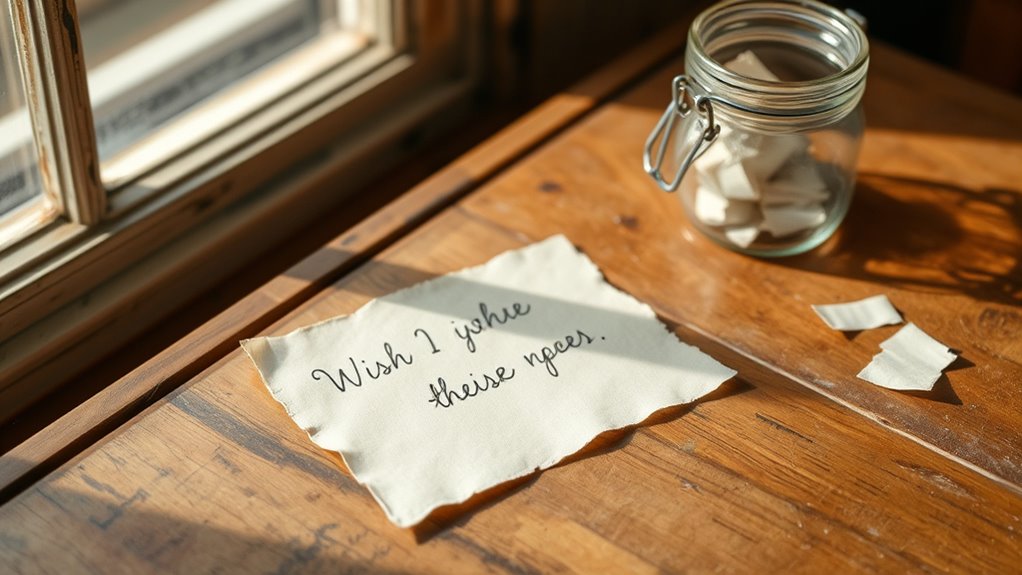

When sharing wish notes, consider the recipient’s preferences and cultural norms to guarantee respect and appropriateness. Keep private messages, especially those expressing sensitive feelings, personal unless you’ve confirmed they’re comfortable sharing publicly. For joyful or congratulatory notes, sharing on social media is fine if the recipient approves. Always gauge the context and relationship before releasing or sharing, as thoughtful discretion enhances trust. If you want to master these nuances, there’s more to discover below.
Key Takeaways
- Respect the recipient’s privacy preferences before sharing or publicly posting wish notes.
- Keep sensitive or emotional messages private unless explicitly authorized to share.
- Consider cultural norms regarding sharing wishes to ensure appropriateness and respect.
- When releasing messages publicly, ensure content is suitable and does not cause discomfort.
- Use discretion and kindness to maintain trust and strengthen relationships through your sharing choices.
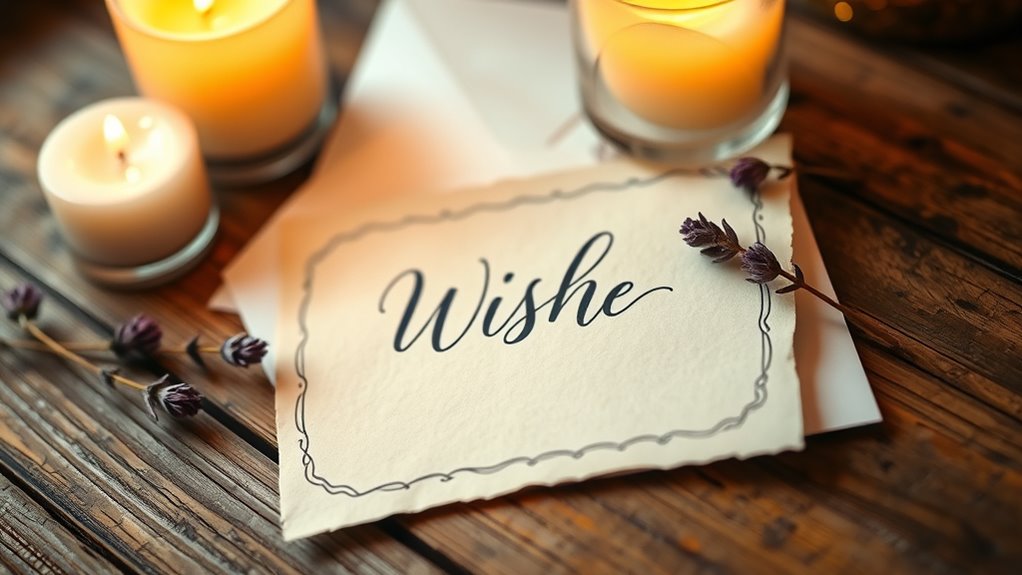
Have you ever wondered what the proper way to send a wish note is? When you’re reaching out to someone with good intentions, understanding the nuances of etiquette can make all the difference. One of the most important aspects to consider is how cultural differences influence the way your message is received. Different cultures have varying expectations about expressing emotions, showing gratitude, or acknowledging milestones. For example, in some cultures, a formal, handwritten note is seen as respectful and heartfelt, while in others, a quick digital message may be more appropriate. Recognizing these differences helps you avoid unintended offenses or misinterpretations. It also ensures that your wish carries the emotional impact you intend, whether it’s to convey warmth, congratulations, or sympathy. When you’re mindful of cultural norms, you demonstrate respect and sensitivity, which deepens your connection with the recipient.
Mind cultural norms to ensure your wish notes are respectful and impactful.
Sending a wish note isn’t just about the words you choose; it’s also about understanding the emotional impact your message can have. A thoughtfully crafted note can brighten someone’s day, reinforce bonds, or offer comfort during tough times. Conversely, a poorly timed or insincere message might be overlooked or even cause discomfort. To maximize positive emotional impact, you should personalize your note whenever possible. Mention shared experiences, specific achievements, or sincere sentiments that resonate with the recipient’s situation. Keep in mind, emotional impact isn’t just about cheerfulness; sometimes, a sincere expression of sympathy or encouragement can provide profound comfort. When you’re genuine in your words, you help foster a sense of closeness, trust, and understanding. Additionally, understanding the importance of interior design basics can help you create more thoughtful and meaningful messages, especially when related to personalized spaces or shared environments.
Another aspect of wish note etiquette involves deciding whether to share or keep your message private. If you’re congratulating someone publicly, like on social media, you should be sure that the person is comfortable with this exposure. Conversely, if the message is more personal, it’s often best to keep it private, especially if it involves sensitive or emotional topics. Respecting boundaries ensures your note is appreciated rather than causing embarrassment or discomfort. Sometimes, releasing a wish note—meaning, sharing it openly—can be meaningful, but only if you’re certain it aligns with the recipient’s preferences. If you’re unsure, it’s safer to keep your note private or ask permission before sharing.
Ultimately, thoughtful consideration of cultural differences, emotional impact, and privacy makes your wish notes more meaningful and respectful. When you approach this small act with awareness and kindness, you not only brighten someone’s day but also strengthen your relationship in genuine and lasting ways.
handwritten thank you note cards
As an affiliate, we earn on qualifying purchases.
As an affiliate, we earn on qualifying purchases.
Frequently Asked Questions
Can I Write a Wish Note for Someone Else Without Their Permission?
You shouldn’t write a wish note for someone else without their permission because of privacy concerns and consent considerations. Respecting their privacy means you avoid sharing personal thoughts or wishes they haven’t approved. Always ask for their consent first; it shows you value their boundaries. If they agree, then you can gladly write the note. Otherwise, it’s best to respect their wishes and keep their wishes private.
Should I Include Personal Details in a Wish Note?
Like a true knight of old, you should respect privacy considerations when writing a wish note. Avoid including personal details unless you’re sure the recipient’s emotional boundaries are intact and comfortable with it. Sharing too much might breach trust or cause discomfort. Keep your note thoughtful but respectful, focusing on well-wishes rather than oversharing. This way, you honor their privacy and make sure your message is warmly received.
Is It Appropriate to Share My Wish Notes Publicly?
Yes, sharing your wish notes publicly can be appropriate if you’re comfortable with social sharing and want to inspire others. However, consider privacy concerns and what personal details you include. Think about how open you want to be; if your wishes contain sensitive info, it’s better to keep them private. Always weigh the benefits of sharing against potential privacy risks before posting your notes publicly.
How Should I Dispose of a Wish Note I No Longer Want?
Think of your wish note as a delicate butterfly—once you’re done with it, release it gently to honor its cultural significance. To dispose of it, tear it into small pieces and bury it, safeguarding your privacy concerns while respecting tradition. This act symbolizes letting go and preserving the sacredness of your wishes, ensuring that your personal intentions stay private and that the ritual’s cultural meaning remains intact.
Can Wish Notes Be Used for Professional or Formal Occasions?
Wish notes generally aren’t suitable for professional or formal occasions because they lack the appropriate tone and structure. If you choose to use them, make certain you maintain a professional tone and formal language. However, it’s better to opt for more traditional methods like formal cards or official messages that align with the event’s decorum. This approach shows respect and upholds the seriousness expected in professional settings.
personalized wish note stationery
As an affiliate, we earn on qualifying purchases.
As an affiliate, we earn on qualifying purchases.
Conclusion
Remember, how you handle your wish notes reflects your respect for yourself and others. Whether you choose to share, keep private, or release them, trust your intuition and stay considerate. As the saying goes, “A problem shared is a problem halved.” Embrace your choices with kindness and confidence, knowing that your intentions matter most. When in doubt, kindness and honesty will always guide you toward the right path.
cultural etiquette greeting cards
As an affiliate, we earn on qualifying purchases.
As an affiliate, we earn on qualifying purchases.
privacy and discretion note pads
As an affiliate, we earn on qualifying purchases.
As an affiliate, we earn on qualifying purchases.