

To build family harmony through habit-based parenting, establish clear, consistent routines that give your children a sense of stability and predictability. Use positive reinforcement like praise and rewards to encourage good behavior, while applying predictable consequences for missteps. Combining these strategies helps your children develop self-discipline and responsible habits over time. Maintaining this balance fosters trust and harmony in your family, and if you keep exploring, you’ll discover even more ways to strengthen your approach.
Key Takeaways
- Establish consistent daily routines to create a predictable environment that reduces children’s anxiety and promotes cooperation.
- Use positive reinforcement to encourage good behaviors and motivate children to maintain routines.
- Apply predictable consequences for misbehavior to teach boundaries and foster a sense of security.
- Combine praise and consequences to balance motivation and discipline, supporting internal self-control.
- Incorporate shared family activities, like home theatre time, as rewards to strengthen bonds and reinforce routines.

Habit-based parenting is a practical approach that helps you shape your child’s behavior through consistent routines and positive reinforcement. When you establish clear habits, you’re creating a stable environment where your child knows what to expect, which reduces anxiety and encourages cooperation. By sticking to routines, you send a message that certain behaviors are expected and valued, making it easier for your child to develop self-discipline over time.
Positive reinforcement plays a essential role in this method. When your child behaves well or completes a task, acknowledging their efforts with praise or rewards reinforces those behaviors. For example, if your child tidies up their toys without being asked, praising their independence or offering a small reward encourages them to repeat the behavior. This method shifts the focus from punishment to encouragement, helping your child develop a positive attitude towards good behavior. Over time, your child begins to associate positive outcomes with specific actions, which makes them more likely to repeat those actions naturally.
Positive reinforcement encourages good behavior by praising efforts and offering rewards, fostering a positive attitude in children.
Consistent discipline is equally important in habit-based parenting. Instead of reacting impulsively to misbehavior, you establish clear, predictable consequences that occur every time a behavior happens. For instance, if your child refuses to put away their belongings, you might calmly remind them of the routine and, if necessary, implement a consistent consequence, like taking a break from a preferred activity. This consistency helps your child understand boundaries and expectations, providing a sense of security. It also teaches them that actions have predictable results, which is essential for developing self-control.
By combining positive reinforcement with consistent discipline, you create a balanced approach that guides your child’s behavior constructively. When your child sees that good behavior leads to praise or rewards, they’re motivated to continue those behaviors. At the same time, knowing that negative behaviors have consistent consequences helps them internalize boundaries. This consistency fosters trust and stability, making it easier for your child to adapt to routines and understand what’s expected of them.
Over time, these habits become ingrained in your child’s daily life, reducing conflicts and promoting family harmony. When routines are predictable and reinforced positively, your home becomes a nurturing environment where your child feels secure and motivated to learn good habits. Additionally, understanding the importance of home theatre projectors and their features can serve as a fun reward or shared interest that promotes positive interactions. Habit-based parenting isn’t about perfection but about creating a steady framework where your child can thrive, learn responsibility, and develop self-discipline through the power of consistent routines, positive reinforcement, and fair discipline.

Utron 80 Pack Reward Chart for Kids, Incentive Chart Behavior Chart for Kids at Home, 2 Designs with 2160 Star Sticker, Kids Chore Chart, Sticker Chart for Kids Behavior
- Package Includes: 80 incentive sheets and 2160 star stickers
- Premium Materials: Durable, odorless 200g coated paper
- Reusable and Easy to Mark: Suitable for markers, firm sticker adhesion
As an affiliate, we earn on qualifying purchases.
As an affiliate, we earn on qualifying purchases.
Frequently Asked Questions
How Long Does It Typically Take to Establish New Family Routines?
It usually takes about 21 to 66 days to establish new family routines, but timeframe expectations vary. Consistency is key; sticking to the routine daily helps it become natural. Be patient and flexible, as some routines may take longer to solidify. Keep in mind that regular practice and positive reinforcement will make the routine feel more automatic over time, leading to smoother family harmony.
What if Family Members Resist Adopting New Habits?
When family members resist adopting new habits, don’t throw in the towel. Instead, use motivational strategies like positive reinforcement and shared goals to encourage change. Resistance management involves listening to concerns and involving everyone in planning. Remember, patience is key—sometimes it takes time for everyone to see the benefits. Keep communication open, stay consistent, and soon, resistance will turn into cooperation, helping your family thrive together.
How Can I Tailor Routines for Different Age Groups?
You can tailor routines for different age groups by choosing age-appropriate activities that match their development levels. Use flexible strategies, like adjusting chores or bedtime, to meet each child’s needs. For younger kids, keep activities simple and engaging, while older children might enjoy more responsibility and independence. Regularly communicate and observe their responses, tweaking routines as needed to guarantee everyone feels comfortable and involved.
What Are Common Mistakes to Avoid in Habit-Based Parenting?
You should watch out for common habit pitfalls like setting unrealistic expectations or forcing routines that don’t fit your family’s needs. Routine pitfalls include neglecting flexibility and consistency, which can lead to frustration. Avoid rushing changes or becoming too rigid—both can backfire. Instead, build gradual habits, stay adaptable, and communicate openly. This helps you create sustainable routines that foster harmony without overwhelming your family.
How Do I Maintain Routines During Family Emergencies or Disruptions?
When family emergencies or disruptions happen, you should stay flexible by adapting your routines with flexibility strategies. Quickly revise your emergency plan to prioritize safety and essential tasks. Communicate openly with your family about changes, and don’t stress if routines shift temporarily. Focus on maintaining a sense of stability through consistency in key activities, even if the usual schedule is altered. This helps everyone feel secure during unexpected events.

JJPRO Magnetic Dry Erase Chore Chart and Weekly Calendar Set for Fridge-Chore Chart for Multiple Kids,Weekly Planner Board,Family Chore Board for Multiple Kids&Adults,Bonus to-do Whiteboard
- Complete Magnetic Chore Set: Includes chore chart, weekly calendar, notepad
- Fits Most Refrigerators: Suitable for mini and full-size, single or side-by-side
- Easy to Write and Erase: Nano premium erase film for effortless cleaning
As an affiliate, we earn on qualifying purchases.
As an affiliate, we earn on qualifying purchases.
Conclusion
By embracing habit-based parenting, you create routines that transform everyday chaos into family harmony. Consistently building these habits is like planting seeds for a thriving, well-oiled family machine that runs smoother than you ever imagined. Remember, each small habit you establish holds the power to shape your child’s future and turn your household into a sanctuary of love and stability. So start today—your family’s happiness depends on it!
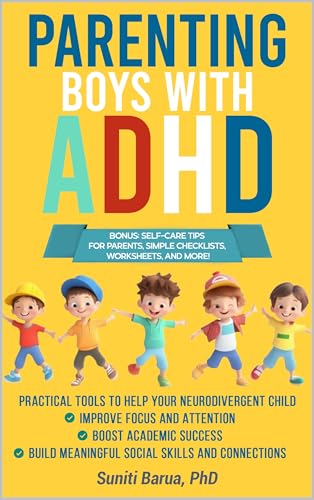
Parenting Boys with ADHD: Practical Tools to Help Your Neurodivergent Child Improve Focus, Succeed Academically, and Build Strong Social Skills and Connections
As an affiliate, we earn on qualifying purchases.
As an affiliate, we earn on qualifying purchases.

Anger Management Skills Workbook for Kids: 40 Awesome Activities to Help Children Calm Down, Cope, and Regain Control
As an affiliate, we earn on qualifying purchases.
As an affiliate, we earn on qualifying purchases.