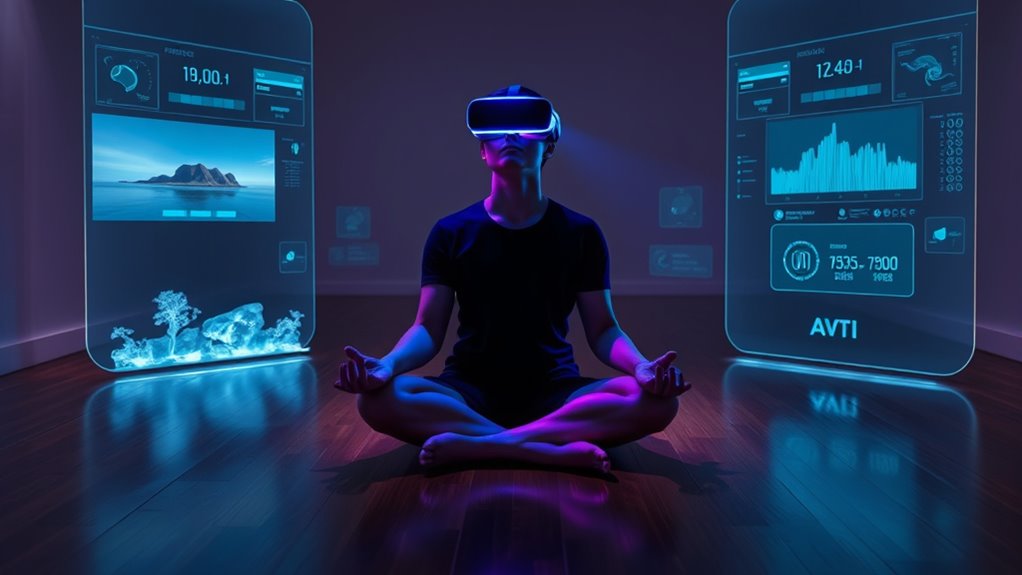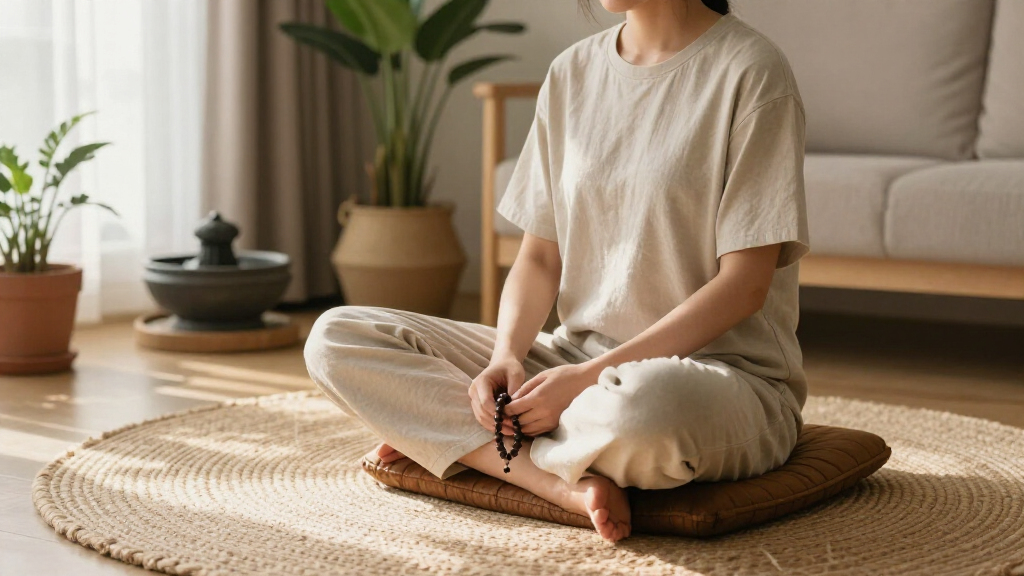

This guide explains how to select and use accessories such as cushions, mats, timers, and props to support your meditation and mindfulness practice. Designed for beginners, it covers everything needed to create a comfortable, focused environment. The goal is to help you establish a consistent routine with tools that enhance comfort and concentration, making your practice more effective and enjoyable.

Turn your quiet moments into listening time
- Thousands of audiobooks, podcasts and originals
- Listen on your phone, tablet or Echo — also offline
- Cancel anytime
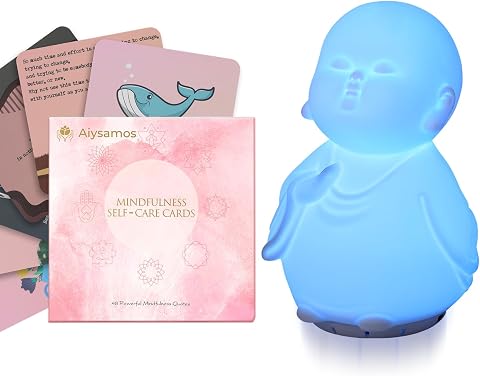
Mindfulness Tool Set with Guided Visual Meditation, Breathing Lamp, and Affirmation Cards
- ✔ Device functions: Breathing light, night light, noise machine
- ✔ Light modes: Balanced breathing (5-5), Calm breathing (4-7-8)
- ✔ Natural sounds: 6

Handcrafted Tibetan Singing Bowl Set – 3.5” Sound Bowl for Meditation, Sound Healing & Yoga
- ✔ Diameter: 3.5 inches
- ✔ Material: Hand-hammered metal
- ✔ Includes: Wooden striker, Tibetan cushion

Silent Mind Tibetan Singing Bowl Set – Beginner Friendly Meditation Bowl with Cushion & Mallet
- ✔ Brand: Silent Mind
- ✔ Model Name: Silent Mind Singing Bowl Set
- ✔ Included Components: Tibetan Cotton Pillow, Tibetan Easy-Play Striker, Tibetan Singing Bowl
Difficulty: Beginner | Time: 30-60 minutes
What You’ll Need
Tools & Materials:
- Meditation cushion or pillow
- Yoga mat or comfortable surface
- Meditation timer or clock
- Optional: incense, candles, or calming music
Knowledge:
- Basic understanding of meditation or mindfulness practice
Prepare a quiet, clean space where you won’t be disturbed. Set aside at least 15-30 minutes for initial setup and practice. Consider your personal comfort needs when selecting accessories.
Mindfulness Tool Set with Guided Visual Meditation, Breathing Lamp, and Affirmation Cards
This comprehensive mindfulness tool set stands out for its multi-functionality, combining a breathing lamp, affirmation cards, and a noise machine into a portable package. It’s ideal for users seeking a all-in-one relaxation station that supports stress reduction, sleep, and daily motivation. Compared with traditional singing bowls, it offers a more adaptable experience, especially for those who want guided meditation and ambient features. However, the device’s limited sound options and the need for USB-C charging might be inconvenient for some. Its broad feature set can also feel overwhelming for beginners who prefer simplicity.
Pros:
- Versatile 3-in-1 device for relaxation and meditation
- Includes 48 positive affirmation cards for daily motivation
- Portable and lightweight, suitable for on-the-go use
- Adjustable brightness and volume for personalized comfort
Cons:
- Requires charging via USB-C, which may be inconvenient in some settings
- Limited to natural sounds, no additional sound options
- Some users may find the array of features overwhelming
Best for: Those looking for a versatile, portable mindfulness tool suitable for daily use and stress management.
Not ideal for: Practitioners seeking purely traditional or sound-focused meditation tools without electronic components.
Bottom line: A flexible, tech-enhanced accessory ideal for users who want guided meditation and ambient relaxation in one device.
“A flexible, tech-enhanced accessory ideal for users who want guided meditation and ambient relaxation in one device.”
Handcrafted Tibetan Singing Bowl Set – 3.5” Sound Bowl for Meditation, Sound Healing & Yoga
This hand-hammered Tibetan singing bowl offers authentic craftsmanship from Nepal, producing high-pitched, calming tones perfect for meditation and sound therapy. Its compact size makes it ideal for travel or personal practice, and the included wooden striker and cushion ensure optimal sound quality. While the authentic nature adds depth to the experience, its small size may produce higher-pitched sounds that are not suitable for all, and users need proper technique to generate the best tones. It’s best suited for those who value traditional craftsmanship over electronic features.
Pros:
- Authentic hand-hammered craftsmanship from Nepal
- Compact size for travel and personal use
- Complete set with striker and cushion for optimal sound
- Rich, high-pitched tones ideal for meditation
Cons:
- Small size may produce higher-pitched tones not preferred by everyone
- Requires proper technique to produce quality sound
- No electronic or amplification features
Best for: Practitioners seeking authentic, high-quality sound healing in a portable form.
Not ideal for: Beginners or those looking for electronic or customizable sound options.
Bottom line: An excellent choice for those who value traditional sound healing and portability, though it demands some technique to sound at its best.
“An excellent choice for those who value traditional sound healing and portability, though it demands some technique to sound at its best.”
Silent Mind Tibetan Singing Bowl Set – Beginner Friendly Meditation Bowl with Cushion & Mallet
This beginner-friendly Tibetan singing bowl by Silent Mind emphasizes ease of use, producing clear and resonant tones suitable for those new to sound meditation. The set includes a cushion, striker, and educational resources, making it a comprehensive package for novices. Its traditional Tibetan design adds aesthetic appeal and makes it a thoughtful gift. While it’s suitable for learning and stress relief, the sound quality may not satisfy advanced practitioners seeking more complex or customizable tones. It’s ideal for those prioritizing straightforward, effective meditation tools.
Pros:
- Easy to play and suitable for beginners
- Produces calming, resonant tones for meditation
- Complete set with cushion, striker, and learning resources
- Traditional Tibetan design makes it a lovely gift
Cons:
- Sound quality may vary for advanced users
- Limited to beginner-level features
- No electronic or amplified options
Best for: Beginners or casual practitioners wanting an easy, effective sound tool without technical complexity.
Not ideal for: Experienced meditators or users seeking advanced sound features or amplification.
Bottom line: A user-friendly, complete set perfect for those starting with sound meditation or seeking a simple stress-relief tool.
“A user-friendly, complete set perfect for those starting with sound meditation or seeking a simple stress-relief tool.”
As an Amazon Associate we earn from qualifying purchases.
Before You Start
Ensure your chosen space is quiet and free from distractions. Gather all accessories and set them within reach. Avoid clutter to promote a calm environment. Check that your timer or clock is functioning correctly to avoid interruptions during your practice.
Step-by-Step Instructions
Step 1: Select a suitable meditation cushion or seat
Choose a cushion or pillow that elevates your hips and allows your spine to be straight. Sit cross-legged or in a comfortable seated position on the cushion. Adjust until your hips are slightly higher than your knees, promoting good posture.
Tip:If sitting on the floor causes discomfort, use a folded blanket or bolster for extra support. Your goal is to find a position that maintains comfort without slouching.
Check: You should feel stable, with a straight spine, relaxed shoulders, and no strain in your back or legs.
Step 2: Prepare your meditation surface
Place your cushion on a flat, stable surface. If preferred, add a yoga mat underneath for extra grip and cushioning. Ensure the area is free of clutter and distractions.
Tip:A dedicated space encourages routine and signals your mind to associate that area with practice.
Check: The surface feels stable and comfortable, supporting your seated posture during meditation.
Step 3: Set up your timer or clock
Choose a timer that is easy to operate and loud enough to hear. Set it for your desired meditation duration, typically 5-30 minutes.
Tip:Use a gentle chime or vibration mode if available to minimize disturbance.
Check: The timer is set and ready, and you can start your practice without worrying about overextending or interruptions.
Step 4: Arrange calming accessories
If desired, place incense, candles, or calming essential oils nearby. Play soft background music or nature sounds if it helps you relax.
Tip:Ensure these accessories are safe, flame-free options if you prefer a safe environment.
Check: The environment feels soothing and conducive to focus without being cluttered or distracting.
Step 5: Establish your start routine
Begin your session by sitting comfortably, closing your eyes or softening your gaze, and taking a few deep breaths. Use this moment to transition into your practice.
Tip:Consistency in your start routine helps signal your mind that practice time has begun.
Check: You feel centered and ready to engage in your meditation or mindfulness session.
Common Mistakes to Avoid
- Using accessories that are uncomfortable or ill-fitting — Test different cushions and seating options to find what supports a straight spine and relaxes your body.
- Overloading the space with distracting objects — Keep accessories minimal and calming; remove clutter that can divert your attention.
- Setting an inappropriate timer duration — Start with shorter periods, around 5-10 minutes, and gradually increase as you become more comfortable.
Troubleshooting
Problem: Experiencing discomfort or pain during practice
Solution: Adjust your cushion height or seating position; add padding or support as needed to maintain comfort.
Problem: Difficulty staying focused or distracted
Solution: Simplify your environment, reduce external noise, and consider using guided meditations or background sounds.
Problem: Timer not sounding or stopping unexpectedly
Solution: Test your timer before sessions; try a different device or app if issues persist.
What Success Looks Like
You are seated comfortably with good posture, the environment is calm, and the timer completes without interruption. During the session, you feel relaxed and able to focus, and afterward, you feel more centered and less distracted.
Next Steps
Maintain your setup by regularly cleaning and adjusting accessories for comfort. Incorporate new accessories gradually, like meditation bells or additional calming items. Track your practice duration and frequency to build consistency. If discomfort or distraction persist, revisit your environment and accessory choices. As your practice deepens, explore advanced tools like mala beads or meditation cushions with added support.
Frequently Asked Questions
How often should I use meditation accessories?
Use your accessories during each session to build a routine. As you become more experienced, you may find some accessories become optional but can still enhance comfort and focus.
Can I use accessories if I meditate sitting on a chair?
Yes. Use a small cushion or folded blanket on the chair seat to reduce pressure on your hips and keep your spine straight.
Are there accessories I should avoid?
Avoid accessories that cause discomfort, are unsafe (like open flames near fabrics), or clutter your space, distracting from your practice.
How do I choose the right cushion or mat?
Select a cushion that elevates your hips enough for a straight spine and feels stable. Test different options for comfort and support before settling on one.
Halloween Picks
halloween
As an affiliate, we earn on qualifying purchases.