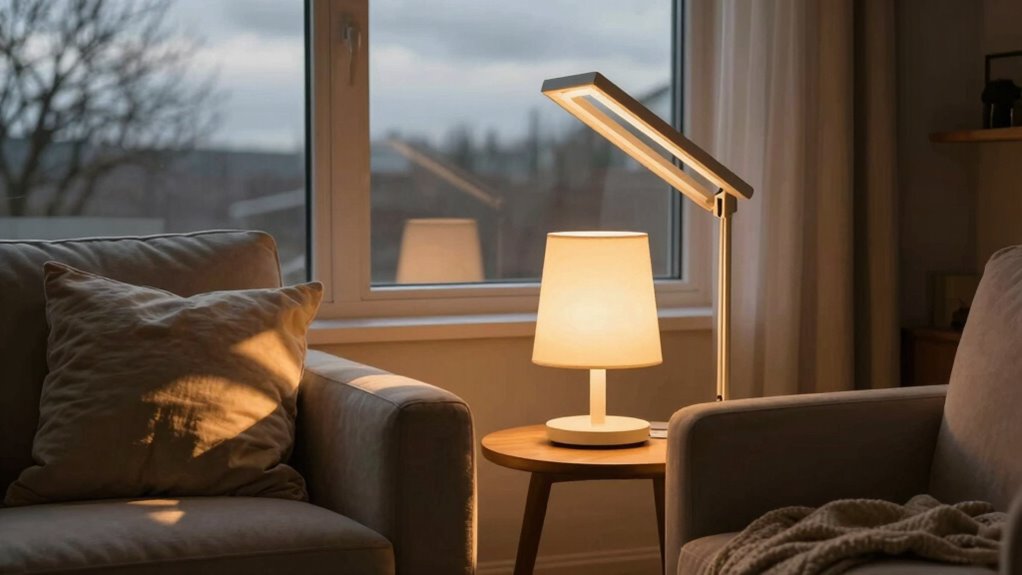

Yes, daylight lamps can really support your mood during dark months by mimicking natural sunlight and boosting serotonin production, which helps you feel happier. They regulate your internal clock, reducing symptoms of seasonal affective disorder (SAD), depression, and fatigue. Using a lamp with at least 10,000 lux for 20-30 minutes each morning can make a noticeable difference. To discover how to get the most out of light therapy, keep exploring the details.

Get books, candles and calm essentials delivered free — and shop member deals
- Fast, free delivery on millions of items
- Access to Prime Big Deal Days deals on October 6–7
- Prime Video, Amazon Music and more included
Key Takeaways
- Daylight lamps mimic natural sunlight, helping improve mood and reduce symptoms of Seasonal Affective Disorder (SAD).
- Regular use of bright light therapy can increase serotonin levels, promoting happiness during darker months.
- Properly designed lamps with at least 10,000 lux are effective for mood support.
- Consistent daily exposure, especially in the morning, enhances the lamp’s positive impact on mental health.
- Scientific evidence supports daylight lamps as a practical tool to combat winter-related mood declines.
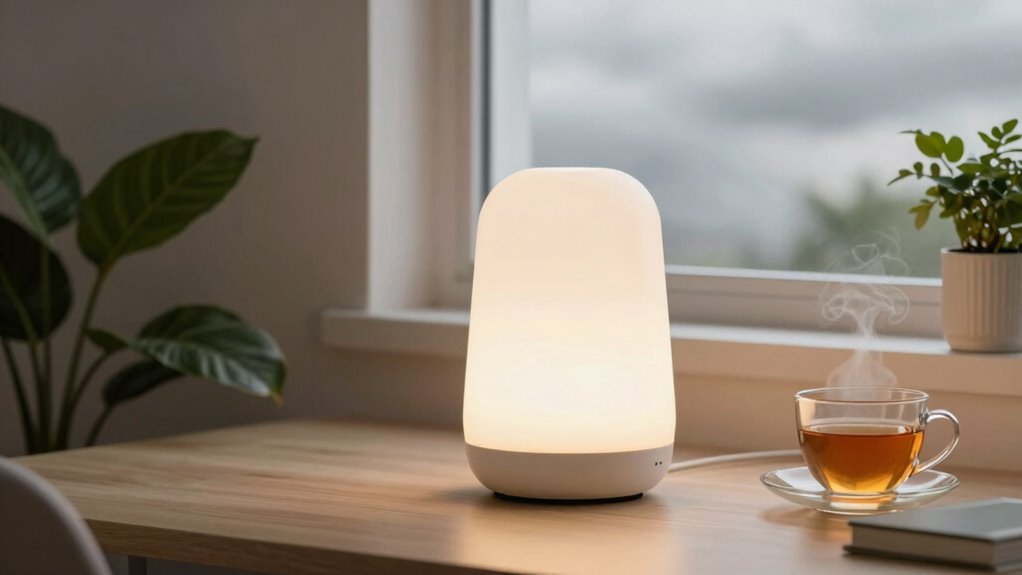
Many people turn to daylight lamps not just for better visibility but also for their positive impact on mood and mental well-being. During the darker months, when sunlight is scarce, these lamps can play an essential role in supporting your mental health. Light therapy, which involves exposure to bright, artificial light that mimics natural sunlight, has become a popular method for managing symptoms of seasonal affective disorder (SAD). If you notice feelings of depression, fatigue, or irritability during winter, a daylight lamp might help lift your spirits.
You might wonder if a daylight lamp can truly make a difference. The answer is yes, especially if you’re experiencing SAD. This condition is linked to the changing seasons, with reduced sunlight disrupting your body’s internal clock and affecting your mood. Light therapy helps regulate this clock by signaling to your brain that it’s daytime, boosting the production of serotonin—the neurotransmitter associated with feelings of happiness. Regular use of a daylight lamp, usually in the morning, can alleviate typical SAD symptoms like low energy and withdrawal.
Using a daylight lamp is straightforward and convenient. You simply sit near the device for about 20-30 minutes each day, ideally during the early hours. The light should be at least 10,000 lux, which is much brighter than typical indoor lighting. This intensity is necessary to trigger the biological responses that improve mood. Unlike natural sunlight, which can be inconsistent during winter, a daylight lamp provides a reliable source of bright light, ensuring you get the right amount of exposure regardless of the weather outside. Additionally, choosing a lamp with the appropriate light intensity can maximize its effectiveness. Proper lamp placement can also enhance the benefits of light therapy by ensuring optimal exposure.
Many people find that incorporating light therapy into their daily routine helps stabilize their mood throughout the darker months. It’s especially beneficial if you notice a pattern of mood dips during fall and winter. It’s important to note that factors such as light quality and consistent timing play a crucial role in the therapy’s success. Additionally, considering the quality of the light spectrum can further improve the effectiveness of your light therapy sessions. Research indicates that the spectral composition of the light may influence how well it alleviates symptoms, making the choice of a lamp with a full spectrum particularly advantageous. While light therapy isn’t a cure-all, it can considerably reduce feelings of depression and fatigue, making winter months more manageable. It’s important to use the lamp as directed and to consult with a healthcare provider if you have underlying eye conditions or mental health concerns.
In short, daylight lamps are a practical, scientifically-supported tool to support your mood during the dark months. By mimicking natural sunlight, they help combat seasonal affective disorder symptoms, promoting a brighter outlook and better mental well-being. With consistent use, you can navigate winter’s gloom with a little more ease and maintain your overall mental health.
10,000 lux daylight lamp for SAD
As an affiliate, we earn on qualifying purchases.
As an affiliate, we earn on qualifying purchases.
Frequently Asked Questions
Are Daylight Lamps Safe for Long-Term Use?
Daylight lamps are generally safe for long-term use if you follow safety guidelines. They emit minimal UV exposure, reducing risks to your eyes, but it’s essential to avoid staring directly at the light for extended periods. Make sure the lamp is designed for therapy, and keep a safe distance. Regularly check for any eye discomfort or skin irritation, and consult a healthcare professional if you notice issues.
Can Daylight Lamps Replace Natural Sunlight Entirely?
No, daylight lamps can’t replace natural sunlight entirely, but they can be a powerful ally against Seasonal Affective Disorder. Think of light therapy as a lighthouse guiding your mood back to calm waters. Their effectiveness hinges on mimicking sunlight, helping regulate your internal clock. While they don’t fully replicate the sun’s warmth and spectrum, regular use can boost your mood and energy during dark months, making them a valuable supplement.
How Do I Choose the Right Brightness Level?
To choose the right brightness level, focus on the light intensity that feels comfortable yet effective. Look for lamps with adjustable brightness, so you can fine-tune the light to suit your needs. Generally, a light intensity of 10,000 lux is recommended for mood support during dark months. Start with a lower setting, then increase brightness as needed, ensuring it mimics natural sunlight without causing discomfort.
Are There Any Side Effects From Using Daylight Lamps?
About 10-15% of users report light sensitivity or eye strain when using daylight lamps. While generally safe, some may experience headaches or discomfort from prolonged exposure. To minimize side effects, you should start with shorter sessions and increase gradually. If you notice persistent eye strain or light sensitivity, it’s best to consult an eye care professional. Proper positioning and choosing the right brightness can help you enjoy benefits without adverse effects.
How Long Should I Use a Daylight Lamp Each Day?
You should use a daylight lamp for about 20-30 minutes daily to help manage Seasonal Affective Disorder and maximize light therapy benefits. Sitting near the lamp each morning usually works best, as it helps regulate your circadian rhythm and boosts mood. Consistent daily use during the darker months can considerably improve your energy levels and emotional well-being, making it a simple yet effective approach to combating winter blues.
light therapy lamp for seasonal affective disorder
As an affiliate, we earn on qualifying purchases.
As an affiliate, we earn on qualifying purchases.
Conclusion
So, can daylight lamps truly boost your mood during those long, dark months? The answer isn’t a simple yes or no. While many find relief and a lift in spirits, the real magic might be more subtle than you think. Are they a miracle cure or just a helpful tool? The truth lies somewhere in between. The only way to find out is to try it for yourself — and see what secrets those sunny lamps might reveal.
bright light therapy lamp for mood improvement
As an affiliate, we earn on qualifying purchases.
As an affiliate, we earn on qualifying purchases.
daylight lamp for winter depression
As an affiliate, we earn on qualifying purchases.
As an affiliate, we earn on qualifying purchases.
Halloween Picks
halloween
As an affiliate, we earn on qualifying purchases.