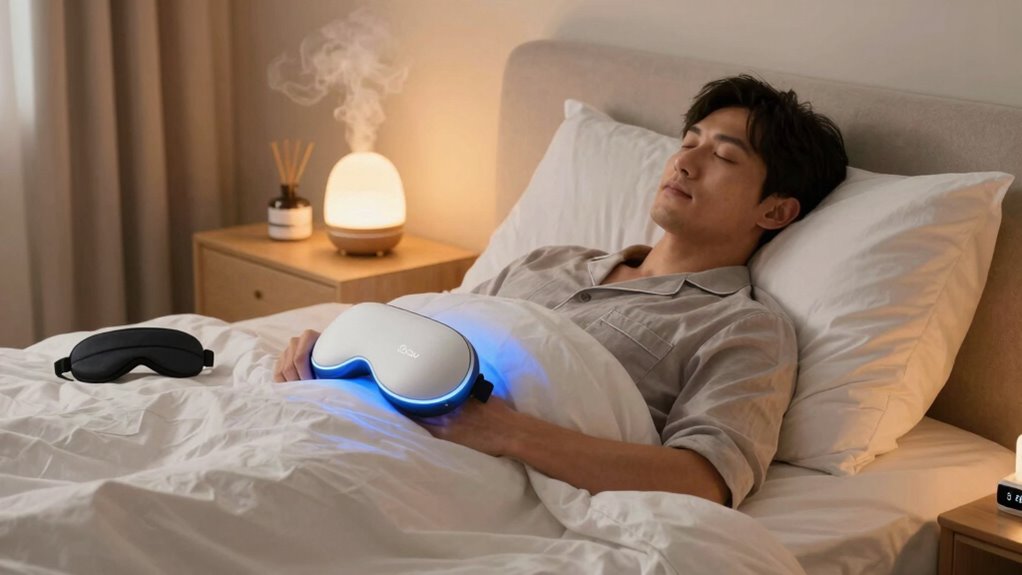

Sleep recovery tools are becoming mainstream for busy adults because they offer quick, personalized ways to improve sleep despite hectic schedules. These tools provide insights through tracking devices and apps, helping you identify habits to change. They also include behavioral strategies like relaxation exercises that fit into your busy life. By combining technology and practical tips, you can easily prioritize better sleep and boost overall health. Keep exploring to discover how these solutions can work for you.

Turn your quiet moments into listening time
- Thousands of audiobooks, podcasts and originals
- Listen on your phone, tablet or Echo — also offline
- Cancel anytime
Key Takeaways
- They offer quick, accessible solutions to improve sleep amidst busy schedules.
- Technology integration provides personalized insights and easy-to-follow habits for better sleep.
- Stress management features help busy adults relax and fall asleep more effectively.
- Sleep tracking tools empower users to identify and modify habits impacting sleep quality.
- Growing awareness of sleep’s impact on health drives demand for practical, evidence-based recovery methods.
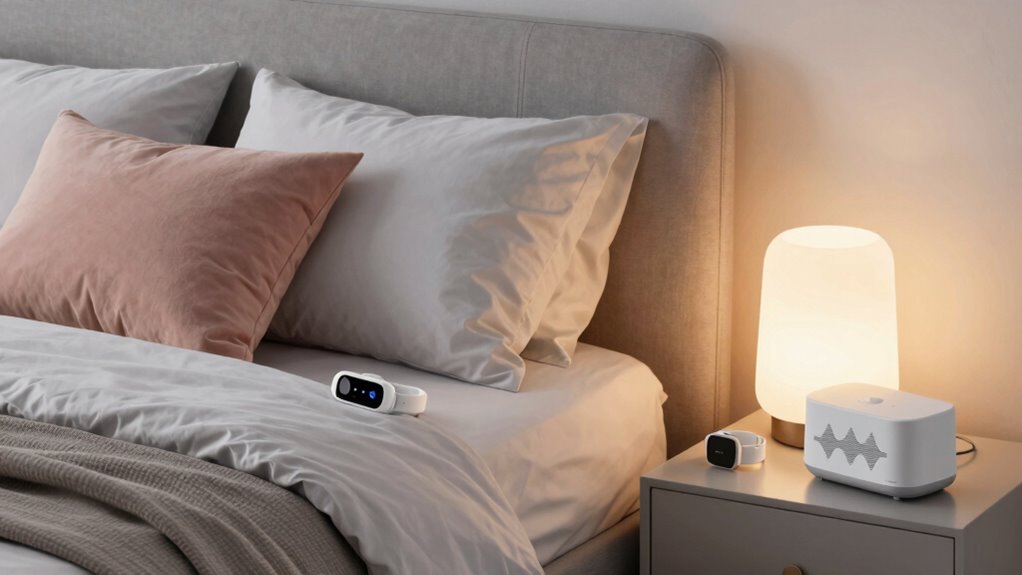
In today’s fast-paced world, busy adults often struggle to get the restorative sleep they need, leaving them exhausted and less productive. This ongoing challenge has made sleep recovery tools more popular, as people seek practical ways to improve their sleep quality. One of the key factors in achieving better rest is good sleep hygiene. You realize that creating a consistent bedtime routine, reducing screen time before bed, and maintaining a comfortable sleep environment can make a significant difference. These small but intentional habits help signal to your brain that it’s time to wind down, making it easier to fall asleep and stay asleep through the night.
Consistent routines and a comfortable environment help signal your brain to relax and improve your sleep quality.
Stress management also plays a crucial role in sleep recovery. When your mind is racing with worries or deadlines, falling asleep becomes difficult, and even if you do manage to doze off, your sleep might not be restorative. That’s why many busy adults turn to tools and techniques that help reduce stress, such as mindfulness meditation, deep breathing exercises, or journaling before bed. These practices calm your nervous system and clear your mind, enabling you to transition more smoothly into restful sleep. You begin to notice that managing daily stress isn’t just about feeling better in the moment—it directly impacts your sleep quality, energy levels, and overall health. Additionally, understanding your sleep patterns through sleep tracking devices can provide valuable insights to optimize your routine. Incorporating behavioral strategies alongside technology can further enhance your sleep quality by establishing sustainable habits. Recognizing the interconnection between stress and sleep highlights how addressing one can positively influence the other. Developing awareness of sleep cycles can help you time your rest periods more effectively and wake up feeling more refreshed. Incorporating evidence-based techniques can help you develop effective, personalized approaches to improve both stress management and sleep.
As awareness grows, more people are adopting sleep recovery tools that blend technology with behavioral strategies. Wearable devices that track sleep patterns give you insights into your habits, highlighting areas that need improvement. Some apps guide you through relaxation exercises or provide soothing sounds designed to enhance sleep hygiene and promote stress relief. These tools are especially appealing to busy adults who want quick, effective solutions without lengthy commitments or complex routines. They offer a way to understand your sleep better and implement targeted changes that fit into your hectic schedule.
Ultimately, the reason sleep recovery tools are becoming mainstream is that they provide actionable support in an accessible format. You don’t have to overhaul your entire lifestyle overnight. Instead, small adjustments—like practicing good sleep hygiene and managing stress—can have a profound impact. These tools empower you to take control of your sleep health, ensuring that, despite a packed schedule, you can still wake up feeling refreshed, alert, and ready to face the day. As more adults recognize the importance of quality sleep, these tools will continue to evolve, making it easier than ever to prioritize your well-being amidst the chaos.
As an affiliate, we earn on qualifying purchases.
Frequently Asked Questions
How Quickly Can I See Results From Sleep Recovery Tools?
You can often notice improvements in sleep quality within a few days to a week of using sleep recovery tools. Recovery speed varies depending on your habits and the specific tool, but consistent use typically leads to faster, more restful sleep over time. Keep in mind, some people see quicker results, while others might need a couple of weeks for the best benefits. Patience and regularity are key.
Are Sleep Recovery Devices Suitable for All Ages?
Think of sleep recovery devices as tailored suits—they fit differently across ages. While many are safe for adults, age considerations matter, especially for children and seniors. Always check device safety and consult healthcare professionals before use. These tools can work like a gentle lullaby, but ensuring they suit your age guarantees a harmonious sleep experience. Remember, what’s perfect for one age group might not be for another.
Do Sleep Recovery Tools Replace the Need for Medical Advice?
Sleep recovery tools don’t replace medical advice, but they can complement your efforts through improved sleep hygiene and lifestyle adjustments. While they help optimize sleep quality, underlying health issues require professional evaluation. Always consult a healthcare provider if you experience persistent sleep problems. These tools are designed to support your routine, but they shouldn’t be a substitute for medical guidance, especially if symptoms persist or worsen.
What Are the Long-Term Effects of Using Sleep Recovery Gadgets?
Long-term use of sleep recovery gadgets can improve your sleep hygiene by promoting better habits and relaxation. However, there’s a risk of gadget dependency, where you rely too much on devices instead of natural sleep cues. If you balance gadget use with good sleep routines, you might see lasting benefits. But over-reliance could hinder your ability to fall asleep naturally, so moderation is key for sustainable sleep health.
Can These Tools Address Underlying Sleep Disorders Effectively?
Like in a time when knights sought healing, sleep recovery tools can effectively address underlying sleep disorders if combined with good sleep hygiene and cognitive behavioral therapy. They often provide immediate relief, but for persistent issues, consulting a healthcare professional remains essential. These tools support your efforts, but they shouldn’t replace a thorough approach to diagnosing and treating sleep disorders, ensuring long-term restful nights.
relaxation and stress relief app
As an affiliate, we earn on qualifying purchases.
As an affiliate, we earn on qualifying purchases.
Conclusion
As a busy adult, prioritizing sleep recovery isn’t just a luxury — it’s essential for your health and productivity. With the rise of effective sleep tools, you don’t have to sacrifice rest for a hectic schedule anymore. Are you ready to invest in your well-being and access your full potential? Embracing these tools can transform your nights and days, making rest a natural part of your busy life. Why not start today and see the difference it makes?
As an affiliate, we earn on qualifying purchases.
As an affiliate, we earn on qualifying purchases.
Halloween Picks
halloween
As an affiliate, we earn on qualifying purchases.