
To enter the zone on demand, combine mindfulness techniques with clear goal setting. Practice brief mindfulness exercises before starting to clear your mind and stay present. Set specific, manageable goals that challenge yet match your skills, breaking tasks into smaller milestones. When you stay grounded in the moment and keep your objectives in view, you’ll find it easier to slip into flow effortlessly. Keep exploring these strategies to release your full potential when it matters most.
Key Takeaways
- Practice regular mindfulness techniques to enhance present-moment awareness and mental clarity before starting tasks.
- Set clear, specific goals that are challenging yet attainable to guide focus and motivation.
- Break tasks into smaller milestones to create a sense of progress and maintain engagement.
- Use grounding exercises during work to recalibrate attention and sustain flow.
- Consistently combine goal refinement with mindfulness to train your mind to access flow states on demand.
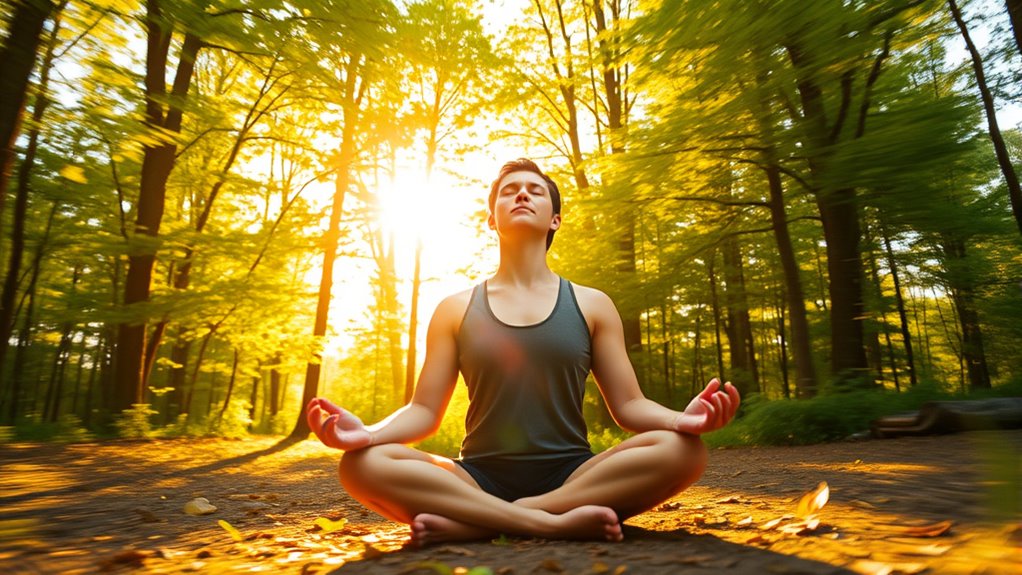
Have you ever experienced a moment when everything seems to click effortlessly, and time slips away unnoticed? That’s the essence of entering a flow state—a mental zone where your focus sharpens, your skills align perfectly with the task at hand, and you feel completely immersed. Achieving this on demand might seem elusive, but with the right approach, you can tap into it more consistently. The foundation begins with understanding mindfulness techniques. These practices help you cultivate present-moment awareness, allowing you to detach from distractions and mental clutter. When you practice mindfulness, whether through meditation, breathing exercises, or simple grounding activities, you train your mind to stay rooted in the here and now. This heightened awareness is essential because it enables you to recognize the early signs of distraction or disengagement, giving you the chance to re-center yourself before slipping out of flow. Incorporating techniques from popular techniques such as grocery savings strategies can also help you develop discipline and focus, which are vital for maintaining flow. Alongside mindfulness, goal setting strategies play a key role. Setting clear, achievable goals creates a roadmap that guides your focus and effort. Instead of vague intentions, you want specific objectives that challenge yet are attainable within your current skill level. Break larger tasks into smaller milestones, which provide regular feelings of achievement and keep motivation high. When your goals are well-defined, your mind doesn’t waste energy wandering aimlessly; instead, it channels energy directly into progressing toward those targets. This clarity fuels your concentration, making it easier to stay absorbed for extended periods. To deepen your mastery, combine mindfulness techniques with strategic goal setting. Before diving into a task, spend a few moments practicing mindfulness—focusing on your breath or sensations in your body—to clear mental clutter. Once you’re centered, review your goals, ensuring they are specific and manageable. This prepares your mind to engage fully, reducing anxiety or self-doubt that might pull you out of the zone. As you work, periodically return to mindfulness to recalibrate your attention and maintain momentum. Over time, this integrated approach trains you to enter flow states more readily, turning them into a reliable tool rather than a fleeting experience.
Frequently Asked Questions
Can Anyone Access Flow States Regardless of Skill Level?
Yes, anyone can access flow states regardless of skill level, but mindset barriers and physical factors can make it harder. You might struggle with self-doubt or distractions that block your focus, or physical tiredness that hampers concentration. By adjusting your mindset, reducing distractions, and managing your physical state, you increase your chances of entering the flow. Practice patience and stay consistent—flow is accessible to everyone with effort and awareness.
How Long Does It Typically Take to Achieve Flow Consistently?
You can often achieve flow within weeks with consistent effort, but it varies depending on your dedication. Think of it as planting seeds—you need mindfulness training and physical fitness to nurture your growth. Regular practice sharpens focus and reduces distractions, making entering the zone feel like second nature. Stay patient and committed, and you’ll find yourself slipping into flow more effortlessly, turning the process into a well-oiled machine.
Are There Specific Environments That Enhance Flow Entry?
You’ll find that specific environments with balanced ambient noise and a comfortable physical setup enhance your ability to enter flow. Quiet spaces with minimal distractions help, but some ambient noise, like a gentle hum or nature sounds, can boost focus. A clean, organized physical environment also minimizes interruptions, letting you immerse fully in your task. Experiment with different settings to discover where you naturally slip into that ideal, flow state.
Can Flow States Be Maintained for Extended Periods?
Sure, you can maintain flow states for extended periods—if you’re willing to ditch your chaotic surroundings and embrace mindfulness techniques. By optimizing your physical environment—reducing distractions, lighting candles, or playing ambient sounds—you set the stage for prolonged focus. With discipline and the right setup, you’ll find yourself effortlessly riding the wave of flow, turning fleeting moments into hours of productive bliss.
What Are Common Obstacles to Entering the Flow State?
You often face obstacles like distractions, which break your focus, and mental conditioning, that influences your mindset. To enter flow easily, manage distractions by creating a quiet environment and practice mindfulness. Strengthen mental conditioning through visualization and positive self-talk. These strategies help you stay immersed in your task, reducing interruptions and boosting your ability to enter the flow state quickly and sustain it longer.
Conclusion
Mastering the flow state puts you in the driver’s seat of your focus and creativity. With practice, you can enter the zone whenever you need to, shaping your experiences rather than being shaped by them. Remember, like a river flowing effortlessly to the sea, your ability to stay in the zone grows stronger with each effort. Keep practicing, stay present, and let your passion carry you—eventually, it’ll feel as natural as the current guiding the water home.