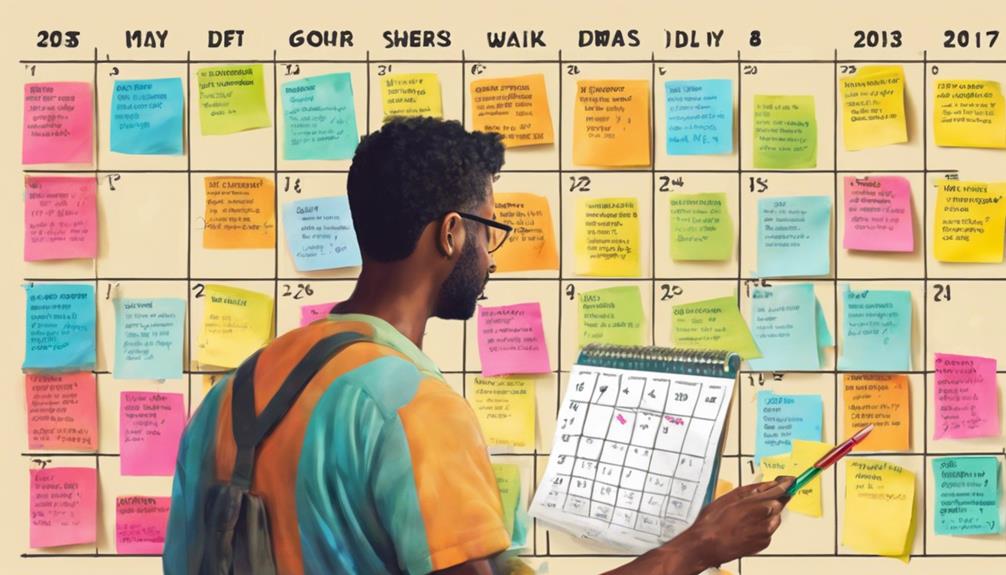

When you face setbacks, see them as opportunities to learn rather than reasons to give up. Shift your mindset to view challenges as temporary hurdles that can be handled with patience and persistence. Adjust your goals by reevaluating your approach, breaking them into smaller steps, and staying positive. Remember, seeking support and staying adaptable keeps you moving forward. Keep exploring strategies, and you’ll find ways to keep your progress steady without quitting.
Key Takeaways
- View setbacks as opportunities to learn and refine your approach rather than reasons to quit.
- Reassess and adjust your goals and timelines to stay aligned with your current circumstances.
- Break larger goals into smaller, manageable steps to maintain momentum and prevent overwhelm.
- Seek support from trusted individuals for encouragement, perspective, and new solutions.
- Maintain a positive mindset by focusing on progress and resilience to stay motivated despite challenges.

Have you ever faced a setback that seemed insurmountable? It’s a moment that can shake your confidence and make you question whether you should keep going. But setbacks are part of any journey, and how you handle them defines your resilience. Resilience strategies aren’t just buzzwords; they’re practical tools to help you bounce back stronger. The first step is adopting mindset shifts—changing the way you perceive failure and obstacles. Instead of viewing setbacks as signs to quit, see them as opportunities for growth. When you shift your perspective, you start to recognize that failures are merely temporary hurdles, not permanent roadblocks. This mental adjustment fuels your motivation and keeps you moving forward.
To implement resilience strategies effectively, you need to cultivate a mindset that views challenges as learning opportunities. When things go wrong, ask yourself what lessons you can take from the experience. This shift in thinking not only helps you stay positive but also encourages you to analyze what went off course so you can adjust your approach. It’s essential to remember that setbacks often reveal gaps in your plans or skills, giving you a chance to strengthen those areas. By focusing on what you can learn, you turn adversity into an investment in your personal growth.
Building resilience also involves developing patience and persistence. Recognize that setbacks are rarely the end of the road; they’re often detours. When you encounter one, instead of rushing to find a quick fix or giving up, slow down and reevaluate your goals. Sometimes, you need to tweak your plans rather than abandon them altogether. This might mean adjusting your timeline, redefining what success looks like, or breaking your goals into smaller, more manageable steps. These small adjustments can make a big difference in maintaining your momentum.
Another resilience strategy is seeking support and staying connected with others. Sharing your struggles with trusted friends, mentors, or colleagues can provide fresh perspectives and encouragement. Remember, you don’t have to face setbacks alone. Sometimes, a different viewpoint can help you see alternative paths or solutions that weren’t obvious before. Maintaining a positive outlook, even during tough times, helps you stay focused on your goals and reinforces your capacity to adapt without quitting. Ultimately, handling setbacks isn’t about avoiding failure but about developing the resilience and mindset shifts necessary to persevere through adversity and emerge stronger on the other side.
goal setting planner
As an affiliate, we earn on qualifying purchases.
As an affiliate, we earn on qualifying purchases.
Frequently Asked Questions
How Can I Rebuild Motivation After Multiple Setbacks?
To rebuild motivation after setbacks, focus on mindset shifts that emphasize resilience building. Remind yourself of past successes and learn from failures instead of dwelling on them. Break your goals into smaller, manageable steps to regain momentum. Practice positive self-talk and visualize your progress. By adopting a resilient attitude and shifting your perspective, you’ll find renewed energy and determination to keep moving forward, despite obstacles.
What Are Signs I Should Change My Goals Completely?
If you notice persistent frustration, lack of progress, or your goals no longer excite you, it’s time for goal reevaluation. When motivation renewal feels impossible despite effort, and your original objectives no longer align with your values or circumstances, changing your goals completely makes sense. Trust your instincts—sometimes, a fresh start helps you find true fulfillment and renewed purpose, allowing you to move forward with clarity and confidence.
How Do I Differentiate Between Temporary and Permanent Setbacks?
Remember, “Rome wasn’t built in a day.” To differentiate between temporary and permanent setbacks, observe your mindset shifts and risk assessment. If your setbacks cause short-term frustration but leave your core goals intact, they’re temporary. However, if your circumstances or motivation change markedly, and your efforts no longer align with your original vision, it’s time to reevaluate. Stay adaptable and trust your judgment to move forward wisely.
What Role Does Support System Play in Overcoming Setbacks?
Your support system plays a vital role in overcoming setbacks by boosting your emotional resilience and providing peer encouragement. When challenges arise, leaning on friends, family, or mentors helps you stay motivated and focused. They offer different perspectives, reassurance, and motivation, making setbacks feel more manageable. With a strong support network, you build resilience, learn from setbacks, and develop the confidence needed to adapt and keep moving toward your goals.
Are There Specific Strategies for Managing Setbacks in Professional Life?
Think of setbacks as storms in your professional journey. To navigate them, focus on resilience building by staying flexible and learning from challenges. Practice stress management techniques like deep breathing and prioritizing tasks to keep your mind clear. Set small, achievable goals to maintain momentum. These strategies help you stay grounded, adapt to changing circumstances, and keep moving forward without losing sight of your overall career path.
resilience training book
As an affiliate, we earn on qualifying purchases.
As an affiliate, we earn on qualifying purchases.
Conclusion
Remember, setbacks are like storms in your journey—temporary darkness that clears with time. You’re the lighthouse, steady and resilient, guiding yourself through the turbulence. When your goals seem out of reach, adjust your sails instead of abandoning ship. Each challenge is a ripple in your pond of progress, shaping your strength. Keep shining your light, and trust that even the roughest waters lead to calmer seas. Your perseverance turns storms into stepping stones.
motivational journal for setbacks
As an affiliate, we earn on qualifying purchases.
As an affiliate, we earn on qualifying purchases.
small goal achievement planner
As an affiliate, we earn on qualifying purchases.
As an affiliate, we earn on qualifying purchases.