
Wish-writing has a rich history across many cultures, serving as a way to express hopes and connect with spiritual forces. In East Asia, people write wishes on paper or fabric and attach them to trees or sacred spaces, symbolizing faith in manifestation. Western traditions involve burning wishes or inscribing them on candles, enhancing personal reflection. Indigenous practices often include symbols and rituals honoring ancestors or spirits. To discover more about how these traditions evolved, keep exploring these fascinating cultural stories.
Key Takeaways
- Wish-writing has ancient roots in various cultures, serving as a spiritual and symbolic act to manifest desires.
- East Asian traditions involve attaching wishes on trees, lanterns, or sacred objects to connect with spiritual forces.
- Western practices include writing wishes on candles or paper and burning them as acts of release and hope.
- Indigenous rituals utilize symbols, drawings, and inscriptions to invoke spirits or honor ancestors, emphasizing spiritual energy.
- Across cultures, wish-writing reinforces community bonds and reflects a universal human desire to influence the future through symbolic acts.
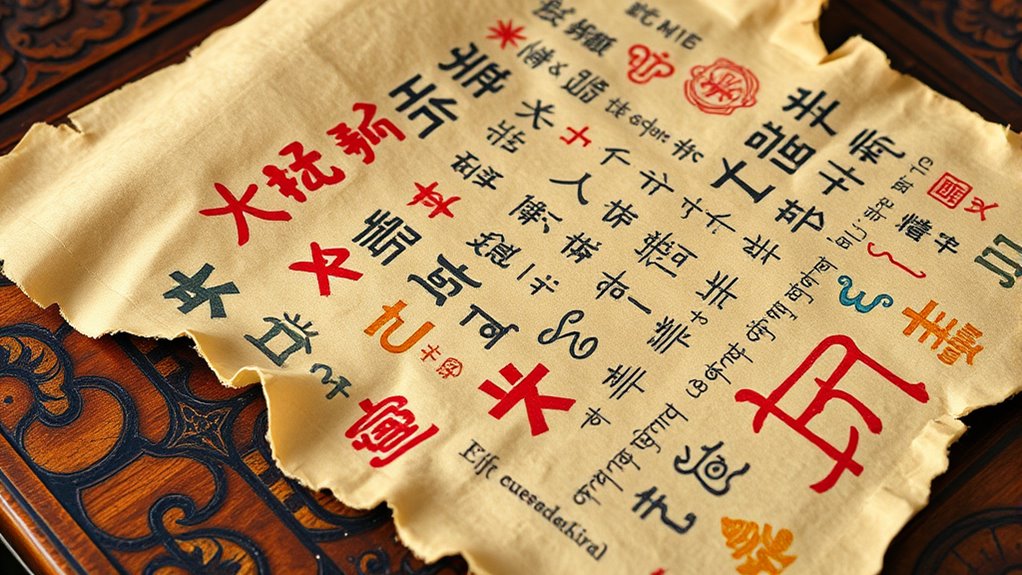
Have you ever wondered how different cultures express their hopes and dreams? Throughout history, people have used various methods to communicate their deepest desires, often through symbolic rituals that have become essential parts of cultural expressions. Wish-writing is a fascinating example of this, showcasing how diverse societies have sought to harness the power of words and symbols to shape their futures. From ancient scrolls to modern practice, the act of writing wishes has served as a bridge between the tangible and the spiritual, allowing individuals and communities to articulate aspirations in meaningful ways.
In many cultures, wish-writing is intertwined with symbolic rituals designed to amplify the intent behind each wish. For instance, in East Asia, especially China and Japan, people have historically written their wishes on paper or fabric, often attaching them to trees, lanterns, or sacred spaces. These acts are more than mere acts of hope—they’re symbolic rituals that connect the person’s intention to the natural or spiritual world. The act of inscribing a wish becomes a ritual that signifies faith in the unseen forces that can manifest desires into reality. These cultural expressions serve to reinforce community bonds and uphold traditions that emphasize the importance of hope and perseverance.
Similarly, in Western cultures, the tradition of writing wishes on paper and burning them as a form of releasing hopes into the universe has persisted for centuries. This symbolic ritual embodies the belief that words, when written with intent, carry power. People often write wishes on birthday candles, wish trees, or even in personal journals, transforming the act into a sacred moment of reflection and aspiration. These gestures are not just about personal longing but also serve as cultural expressions that connect individuals to broader spiritual or communal beliefs.
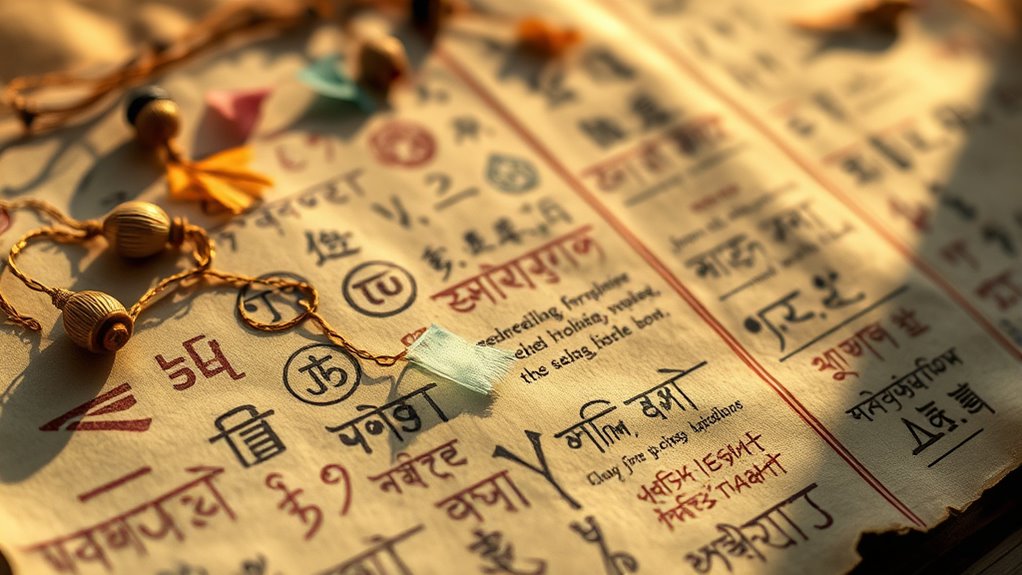
In many Indigenous societies, wish-writing or similar symbolic acts are part of ceremonies that honor ancestors or invoke spirits. These rituals often involve inscribed symbols, drawings, or written words that are believed to carry spiritual energy. The act of creating these symbols is a form of cultural expression that preserves tradition while expressing hopes for health, prosperity, or guidance. It’s a way to communicate with the divine or ancestral realm, emphasizing the significance of words and symbols in shaping one’s destiny.
Across these diverse practices, what remains consistent is the recognition that wish-writing is more than just putting pen to paper. It’s a symbolic ritual—an act infused with cultural meaning that transforms personal hopes into collective tradition. Whether through rituals, symbols, or sacred acts, cultures worldwide have found ways to give voice to their dreams, reinforcing the universal human desire to influence the future through meaningful expression. Additionally, the use of emblems and symbols in these rituals further enhances their spiritual significance, connecting physical acts with divine or ancestral energies.
wish paper for spiritual rituals
As an affiliate, we earn on qualifying purchases.
As an affiliate, we earn on qualifying purchases.
Frequently Asked Questions
How Do Wish-Writing Practices Influence Modern Spiritual Rituals?
Wish-writing practices shape modern spiritual rituals by emphasizing cultural symbolism and ritual personalization. When you write wishes, you connect deeply with traditions that imbue your actions with meaning, often customizing messages to reflect personal goals or spiritual beliefs. This act helps you feel more engaged and connected to your faith or community, reinforcing the significance of your intentions through symbols and personalized rituals, consequently enhancing your spiritual experience.
Are There Specific Materials Traditionally Used for Wish-Writing in Different Cultures?
Did you know that in many cultures, specific materials are essential for wish-writing? In Japan, people often use ritual parchments and ancient scrolls to inscribe their hopes, believing these materials hold spiritual power. Similarly, in China, red paper and silk are popular for writing wishes, symbolizing luck and prosperity. These traditional materials connect you to centuries of cultural practice, making your wish more meaningful and spiritually potent.
How Has Wish-Writing Evolved With Digital Technology and Social Media?
You’ve seen how wish-writing has evolved with digital technology and social media. Now, you can express your wishes through digital expression, like posts or hashtags, making your hopes more visible. Virtual rituals, such as online prayer groups or digital wish boards, let you participate globally. These changes make wish-writing more immediate and accessible, blending traditional hopes with modern platforms to connect and share your desires instantly.
What Psychological Effects Does Wish-Writing Have on Individuals?
When you write wishes, you boost mindfulness benefits by focusing your thoughts and clarifying your desires. It provides emotional catharsis, helping you release pent-up feelings and reduce stress. Writing wishes deepens your self-awareness, enhances emotional regulation, and fosters hope. As you articulate your hopes and fears, you build resilience and a sense of control, making wish-writing a powerful tool for emotional well-being and personal growth.
Are There Any Legal or Ethical Considerations Surrounding Wish-Writing Practices?
When you engage in wish-writing, you should consider legal implications and ethical dilemmas. Some practices might raise concerns about privacy, consent, or potential harm if wishes involve others. You could face legal issues if wish-writing is used to manipulate or deceive. Ethically, it’s important to respect others’ rights and avoid unrealistic or harmful wishes. Being mindful of these considerations helps guarantee your wish-writing remains responsible and respectful.
ceremonial wish candles
As an affiliate, we earn on qualifying purchases.
As an affiliate, we earn on qualifying purchases.
Conclusion
Across cultures, wish-writing reveals our universal desire to shape the future. Did you know that in ancient China, over 100,000 wishes were written during a single festival? This tradition shows how deeply rooted hope and aspiration are in human history. As you reflect on these practices, remember that no matter where you come from, the act of wishing connects us all in our shared quest for a better tomorrow.
wish tree ornaments
As an affiliate, we earn on qualifying purchases.
As an affiliate, we earn on qualifying purchases.
spiritual wish writing kits
As an affiliate, we earn on qualifying purchases.
As an affiliate, we earn on qualifying purchases.