
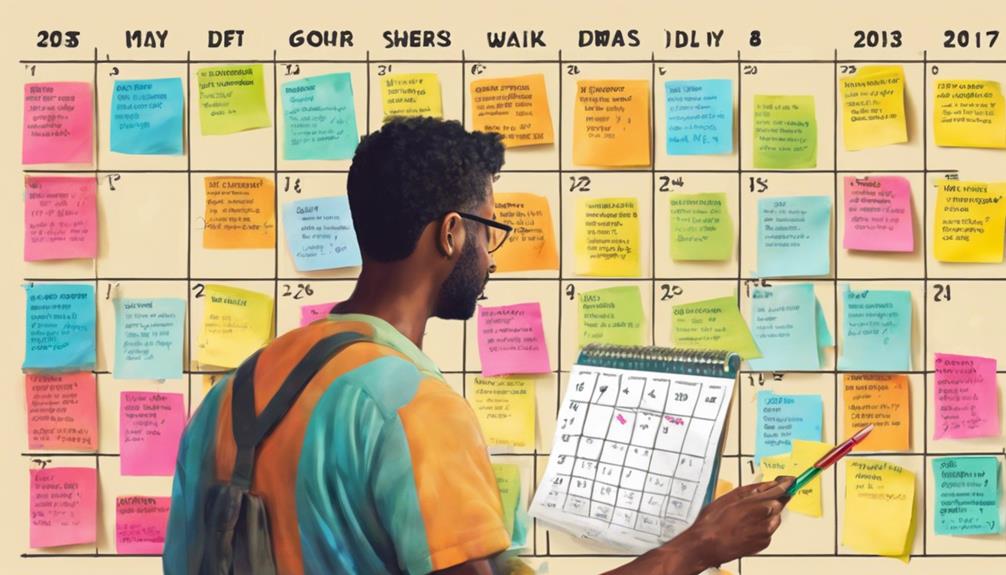
Harness the power of milestones to navigate the path to achieving your goals with precision and determination. Guarantee your milestones are SMART – specific, measurable, achievable, relevant, and time-bound. Break down your goals into manageable steps, aligning each milestone with a project objective. Assign tasks to team members and track progress using milestone tools. Milestones aid in clear communication, risk management, and motivation. Celebrate achievements to boost morale. Each milestone reached signifies progress toward project completion. Stay on track and achieve success by utilizing milestones effectively.

Turn your quiet moments into listening time
- Thousands of audiobooks, podcasts and originals
- Listen on your phone, tablet or Echo — also offline
- Cancel anytime
Key Takeaways
- Break goals into smaller tasks for milestones.
- Assign responsibilities for each milestone task.
- Track progress regularly to stay on course.
- Celebrate milestone achievements for motivation.
- Adjust goals based on milestone feedback.
As an affiliate, we earn on qualifying purchases.
Setting Effective Milestones

To set effective milestones, make certain they're specific, measurable, achievable, relevant, and time-bound, following the SMART criteria. These milestones should align with your project goals to guarantee effective progress tracking.
Break down your projects into specific tasks to identify key deliverables for each milestone. Assign responsibilities to team members and set clear deadlines for these milestones to facilitate progress monitoring effectively.
Utilize milestone-tracking tools to enhance visibility and accountability in achieving your goals. By setting SMART milestones that are tailored to your project's objectives, you create a roadmap that guides you towards success.
This structured approach not only helps you stay focused but also provides a clear path to measure your progress. By incorporating these elements into your milestone planning, you can be certain that you're on track to achieve your project goals efficiently and effectively.
As an affiliate, we earn on qualifying purchases.
Tracking Progress With Milestones

Start monitoring progress effectively by utilizing milestones as key markers in your project's timeline to track significant advancements towards your goals. Tracking progress with project milestones is essential for keeping your team motivated and on track.
Here's how milestones can help you stay focused and measure success:
- Clear Communication: Setting specific milestones ensures everyone is on the same page regarding project objectives and progress.
- Motivation Boost: Achieving milestones provides a sense of accomplishment, keeping the team motivated to tackle the next set of goals.
- Risk Management: By keeping track of specific milestones, you can quickly identify areas where the project might be falling behind and take corrective actions to avoid failure.
As an affiliate, we earn on qualifying purchases.
Utilizing Milestones for Success

You can utilize milestones effectively by tracking progress, staying motivated, and ensuring project success.
Breaking down your goals into manageable steps with milestones will help you monitor your advancement, keep your drive high, and guarantee the accomplishment of your projects. Achieving success through milestones allows you to celebrate your progress and stay motivated as you work towards your ultimate goal. By setting specific, achievable milestones, you can also easily identify any potential obstacles or roadblocks and adjust your approach as needed. This approach not only ensures the completion of your projects, but also fosters a sense of accomplishment and satisfaction as you reach each milestone along the way.
Tracking Progress Effectively
By incorporating milestones into your goal tracking process, you can effectively monitor progress and guarantee success along the way. Milestones serve as pivotal checkpoints that help you stay on course and secure that you're making steady progress towards your ultimate goal.
Here are some key benefits of tracking progress effectively:
- Measuring Success: Milestones allow you to measure your progress objectively and determine if you're on track to achieve your goals.
- Providing Direction: They offer clear guidance by breaking down larger goals into smaller, manageable tasks, making it easier to stay focused.
- Identifying Areas for Improvement: Monitoring milestones helps you pinpoint any areas that may need improvement, enabling you to make necessary adjustments along the way.
Incorporating milestones into your project management approach enhances communication, fosters collaboration, and increases the likelihood of achieving your goals successfully. Tracking progress effectively through milestones is vital for staying motivated and making sure that you reach your desired outcome.
Motivating Goal Achievement
To accomplish success and maintain motivation in reaching your goals, leveraging milestones is a powerful strategy that provides a sense of accomplishment and progress.
Setting clear milestones helps you stay motivated and focused on your goal achievement. By tracking your progress through these milestones, you can regularly assess how far you've come and how much closer you're to your ultimate objective.
Celebrating the milestones you reach along the way further boosts your morale and drive, propelling you forward with renewed energy. Utilizing milestones effectively not only helps you overcome challenges but also guarantees that you stay on track towards success.
The clarity provided by these markers helps boost morale, keep your focus sharp, and ultimately drive you towards achieving your goals.
Ensuring Project Success
Setting project milestones is pivotal for guaranteeing successful project outcomes, as they serve as specific checkpoints that drive shared responsibility and accountability among stakeholders.
To guarantee project success, make sure your milestones are SMART – Specific, Measurable, Achievable, Relevant, and Time-bound. By tracking your progress through milestones, you not only measure success but also effectively communicate the project status to all stakeholders.
Here are some key points to take into account:
- SMART Milestones: Ensure your milestones meet the SMART criteria for effective goal-setting.
- Shared Responsibility: Foster a sense of shared commitment and accountability among all project stakeholders.
- Adjusting Project Trajectory: Milestones help in monitoring progress and making necessary adjustments to keep the project on track.
As an affiliate, we earn on qualifying purchases.
Milestones in Personal Development

Personal development milestones serve as pivotal markers in your journey towards growth and self-improvement. These milestones act as progress markers, tracking your achievements and guiding you towards your long-term goals. By setting personal development milestones, you create a roadmap for continuous improvement, staying motivated along the way. Examples of such milestones could be completing a certification, achieving a fitness goal, or mastering a new skill. Tracking these milestones not only allows you to celebrate your achievements but also provides a platform for reflection and adjustment of strategies for future progress.
| Milestone | Progress Marker | Achievement |
|---|---|---|
| Completing a Certification | Demonstrates skill mastery | Recognized qualification |
| Reaching a Fitness Goal | Improved health and fitness | Personal satisfaction |
| Mastering a New Skill | Enhanced expertise | Increased confidence |
Strategies for Milestone Achievement

Break down your goals into smaller, achievable milestones to effectively track your progress towards success. Setting up project milestones is a powerful strategy to help you stay on course.
Here are some key tips to help you achieve your milestones successfully:
- Set Clear Goals: Define specific and measurable objectives for each milestone to keep yourself focused.
- Establish Deadlines: Assign realistic deadlines to each milestone to guarantee timely completion and maintain momentum.
- Utilize Project Management Tools: Use project management tools to create, organize, and monitor your milestones efficiently.
Milestones for Team Progress

To enhance team collaboration and goal alignment, implementing milestones for team progress is important. Assigning responsibilities and setting deadlines for milestones fosters accountability within the team.
Effective communication around milestones is vital as it enhances collaboration and keeps the team focused on the common objectives. These milestones serve as checkpoints to evaluate team progress, allowing for informed decisions to be made along the way.
Monitoring progress towards milestones not only helps in identifying areas needing improvement but also provides the opportunity to celebrate achievements.
Milestones and Goal Alignment

Aligning milestones with your goals is essential for ensuring progress in the right direction and maintaining focus on your priorities. Setting milestones helps connect individual tasks to overarching objectives, creating a clear roadmap for goal attainment.
Here are some key aspects to take into account:
- Progress Tracking: Milestones enable you to track incremental achievements, making sure you're moving closer to your overall goals.
- Accountability and Motivation: Aligning milestones with specific goals enhances both accountability and motivation, as you can clearly see the progress made and stay motivated to reach your objectives.
- Checkpoints for Adjustment: Milestones act as checkpoints along the way, allowing you to evaluate your progress and make adjustments to your strategies if needed. This ensures that you stay on course towards achieving your goals effectively.
Milestones for Project Management

Project milestones in project management serve as crucial markers to track progress and guarantee successful project completion. These specific goals or deliverables not only help measure success but also direct future projects by providing clear points of achievement within the project timeline.
By establishing project milestones, you foster shared responsibility, commitment, and accountability among stakeholders involved in the project.
These milestones act as checkpoints to evaluate project success and make sure that deadlines are met effectively. They serve as key events or goals in a project timeline, guiding the team towards the ultimate project objective.
By breaking down the project into manageable milestones, you create a structured approach that enhances project management efficiency. Each milestone achieved signifies progress and brings the team closer to project completion, instilling a sense of accomplishment and motivation.
Embrace the power of project milestones to drive your project towards success and keep all stakeholders aligned and focused on the end goal.
Frequently Asked Questions
What Milestones Can We Use to Make Sure You're on Track?
To guarantee you're on track, set milestones like achieving sales goals, launching products, hitting revenue targets, completing project phases, or expanding into new markets. Break down big goals into manageable steps for measurable progress.
How to Write Milestones for Goals?
To write milestones for goals, break them into smaller tasks. Make them specific, measurable, achievable, relevant, and time-bound. Align milestones with your main goal. Monitor deadlines closely, communicate with your team, and stay on track for success!
How to Track Milestone Progress?
To track milestone progress effectively, set clear deadlines, use project management tools, review status regularly, communicate with your team, and analyze data for informed decisions. Keeping an eye on milestones guarantees you stay on track.
Why Are Milestones Important in Goal Setting?
Milestones are crucial in goal setting because they break big goals into manageable steps, boost motivation by celebrating wins, provide accountability, and allow for adjustments to stay on track. They make achieving goals more feasible and rewarding.
Conclusion
To sum up, milestones are the secret sauce to achieving your goals. They keep you on track, motivated, and accountable.
By setting effective milestones, tracking progress, and utilizing them for success, you'll be unstoppable. So go ahead, embrace the power of milestones and watch your goals soar to new heights.
Remember, the sky's the limit!
Fall Picks
fall essentials
As an affiliate, we earn on qualifying purchases.