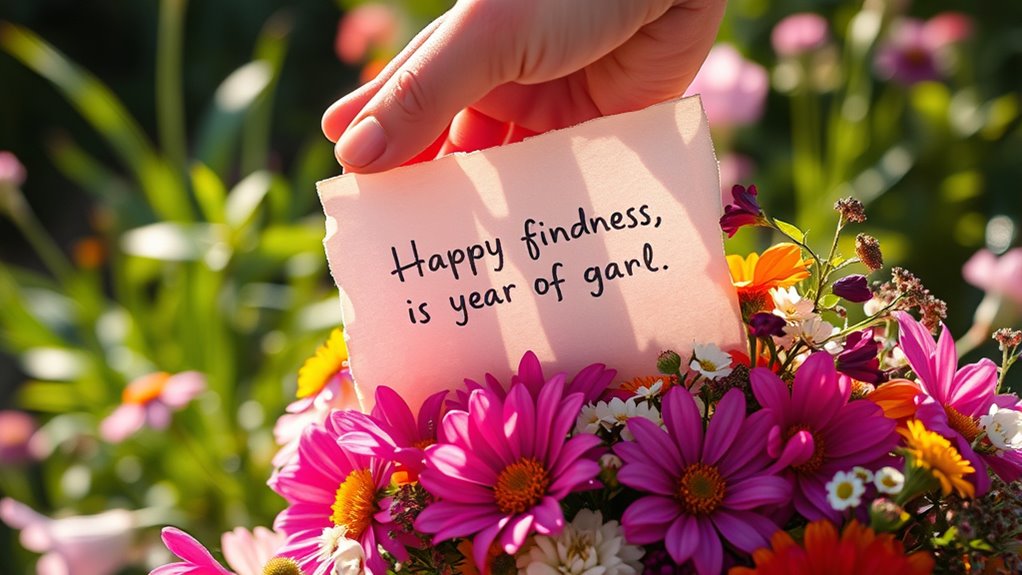

Writing wishes for others sparks a ripple effect of kindness and positive energy that can uplift individuals and strengthen communities. When you send heartfelt messages, you demonstrate care and foster connections, creating a sense of hope and unity. These acts of altruism not only brighten someone’s day but also inspire them to pass on kindness. If you want to discover more about how your words can create meaningful change, keep exploring the power of mindful wishes.
Key Takeaways
- Writing wishes demonstrates care, fostering emotional connections and spreading positive energy among individuals and communities.
- Thoughtful wishes reflect cultural traditions, emphasizing meaningful expressions of goodwill and respect.
- Crafting sincere wishes enhances emotional well-being and spiritual growth by focusing on positive intentions.
- Sharing wishes encourages empathy, deepening understanding and strengthening interpersonal relationships.
- The ripple effect of altruistic wishes promotes a more compassionate world through small acts of kindness.

Writing wishes for others is a thoughtful way to show you care and brighten someone’s day. When you take a moment to craft heartfelt messages, you’re not just expressing good intentions—you’re fostering a sense of connection and compassion that can resonate deeply. Many cultures have long used written wishes as part of their traditions, believing that words carry power to influence well-being and bring positive energy. Incorporating this practice into your life can be both meaningful and transformative, especially when you understand the cultural significance behind it.
In some traditions, writing wishes is intertwined with meditative practices that help you focus your intentions and cultivate genuine empathy. Before putting pen to paper, you might spend a few moments in quiet reflection, aligning your thoughts with sincere hopes for the recipient’s happiness, health, or success. This mindful approach guarantees your wishes are not just superficial words but are infused with genuine care. Many cultural traditions also emphasize the importance of personalized messages, recognizing that specific, thoughtful words can make a lasting impact. Whether you’re writing a note for a friend, a family member, or a colleague, tailoring your wishes to their unique circumstances shows your attentiveness and respect.
Additionally, engaging in the act of writing wishes can serve as a form of spiritual practice that enhances emotional well-being and promotes mindfulness. By consciously focusing on positive intentions, you foster a sense of spiritual connection and inner peace. By engaging in this act, you participate in a ripple effect of kindness. Your words can uplift someone during a difficult time, motivate them toward their goals, or simply remind them they’re loved. This positive energy often spreads beyond the initial recipient, inspiring others to share their own wishes and acts of kindness. In this way, writing wishes becomes a small but powerful act of altruism that can enhance your sense of purpose and connection to others. It’s a way to embody the principles of many cultural traditions—sharing hope, fostering unity, and respecting the interconnectedness of all people.
Furthermore, the act of writing wishes encourages you to be more intentional in your relationships. It prompts you to think deeply about what truly matters to others, helping you develop greater empathy and emotional awareness. Over time, this practice can deepen your understanding of different cultural traditions and their unique ways of expressing care and goodwill. Ultimately, whether you’re inspired by meditative practices or cultural customs, writing wishes for others is a simple yet profound way to make the world a kinder, more compassionate place—one heartfelt message at a time.
personalized greeting card set
As an affiliate, we earn on qualifying purchases.
As an affiliate, we earn on qualifying purchases.
Frequently Asked Questions
How Do I Start Writing Genuine Wishes for Others?
To start writing genuine wishes for others, focus on intentional kindness and heartfelt expressions. Think about what truly matters to them and what would bring them joy or comfort. Use your own feelings as a guide, and avoid clichés. Speak from the heart, imagining yourself in their situation. This authentic approach guarantees your wishes are meaningful, creating a ripple effect of kindness that can uplift and inspire both you and the recipient.
Can Writing Wishes Improve My Own Well-Being?
Writing wishes for others can boost your emotional benefits and mental health. When you focus on positive thoughts and intentions, you foster feelings of compassion and gratitude, which uplift your mood. This act of kindness helps reduce stress and promotes a sense of connection. By regularly expressing sincere wishes, you create a mental space for positivity, leading to improved well-being and a more resilient outlook on life.
What Are Some Common Mistakes to Avoid?
When you write wishes for others, avoid common mistakes like using insensitive phrasing or overgeneralization. Be mindful of your language, ensuring it’s respectful and considerate. Don’t assume everyone shares the same feelings or experiences; personalize your wishes to make them meaningful. Steer clear of stereotypes or vague statements. By doing so, your words will genuinely uplift others and foster a positive ripple effect, enhancing both their well-being and yours.
How Do Cultural Differences Influence Wish-Writing?
Your wish-writing journey isn’t a small task; it’s a vast ocean of cultural expressions and traditional beliefs. You must recognize that different cultures view wishes through unique lenses—what’s meaningful in one may be misunderstood in another. By respecting these cultural nuances, you guarantee your wishes resonate sincerely, avoiding unintentional offense. Embrace the diversity, and your heartfelt intentions will create powerful connections across cultural boundaries.
Are There Recommended Phrases for Different Occasions?
When choosing phrases for occasions, you should consider cultural sensitivities to guarantee your wishes are appropriate and respectful. For birthdays, simple “Happy Birthday” works universally, while for weddings, “Congratulations on your wedding” is suitable. In different cultures, you might adapt phrases to honor local traditions, like adding blessings or respectful titles. Being mindful of these nuances helps your wishes resonate positively and build meaningful connections across diverse backgrounds.
writing wishes for others journal
As an affiliate, we earn on qualifying purchases.
As an affiliate, we earn on qualifying purchases.
Conclusion
When you take a moment to write a heartfelt wish for someone, you’re not just offering kind words—you’re creating a ripple of positivity that could reach far beyond what you see. Imagine how a simple message might brighten someone’s day or inspire hope in their heart. Isn’t it worth sharing that small act of kindness? Remember, your sincere wishes have the power to ignite change, spreading compassion one word at a time.
mindful message cards
As an affiliate, we earn on qualifying purchases.
As an affiliate, we earn on qualifying purchases.
cultural tradition wish cards
As an affiliate, we earn on qualifying purchases.
As an affiliate, we earn on qualifying purchases.