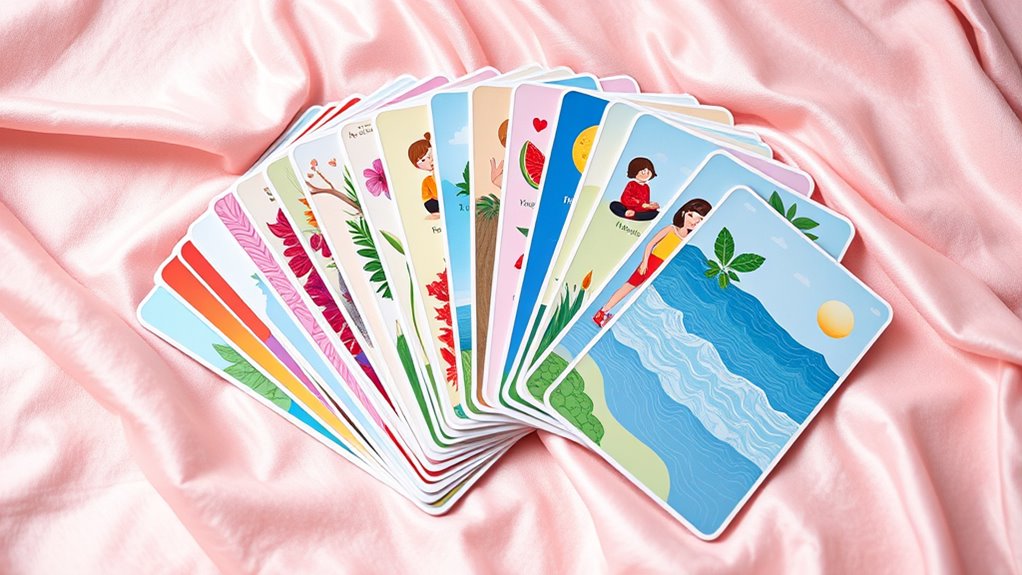

Looking for the best mindfulness activity cards for kids that help boost calm and focus? I’ve found top options that feature vibrant visuals, durable materials, and easy-to-follow prompts suitable for children of various ages and needs. These cards encourage emotional regulation, self-awareness, breathing exercises, and positive thinking, making them perfect for home, school, or therapy settings. Keep exploring to discover the qualities that will make the perfect fit for your child’s mindfulness journey.
Key Takeaways
- Durable, visually engaging cards designed for children ages 3-17, with themes like animals and nature to promote calm and focus.
- Suitable for use by parents, teachers, and therapists in various settings to support emotional regulation and social-emotional learning.
- Offers a variety of activities such as breathing exercises, positive affirmations, and guided imagery to enhance mindfulness skills.
- Features bright visuals, clear instructions, and organizational elements like rings for easy handling and quick activity selection.
- Effective when used consistently with adult guidance, helping children manage stress, improve focus, and build resilience.
Mind Brain Emotion 52 Coping Skills for Kids

If you’re looking for a practical tool to help children build emotional resilience, Mind Brain Emotion’s 52 Coping Skills set is an excellent choice. I’ve seen how these sturdy, colorful cards spark meaningful conversations and teach kids effective coping strategies. Designed for ages 5-15, they address stress, anxiety, anger, and self-regulation through engaging activities, conversation prompts, and play therapy games. Used at home, school, or therapy, they promote social-emotional learning, confidence, and problem-solving. Many parents and educators find them versatile and easy to incorporate into daily routines, making emotional resilience development accessible and fun for children.
Best For: parents, teachers, and therapists seeking a versatile, engaging toolkit to help children aged 5-15 develop emotional resilience, self-regulation, and social-emotional skills.
Pros:
- Provides a variety of engaging activities, conversation prompts, and games that promote emotional learning and coping strategies.
- Durable, visually appealing cards that are easy to incorporate into daily routines, classrooms, or therapy sessions.
- Encourages meaningful conversations and critical thinking, fostering confidence and problem-solving skills in children.
Cons:
- Cards may be slightly thicker than standard playing cards, which could affect durability over time.
- Instructions for some activities or card uses may be unclear or require adult guidance.
- Limited digital or online component; primarily a physical resource requiring manual facilitation.
Empowering Cards for Kids

Empowering Cards for Kids are an excellent choice for children, teens, and educators seeking to boost self-esteem and emotional resilience through engaging mindfulness activities. Developed by experts with over 25 years of experience, these cards teach kids about mindfulness, positive affirmations, feelings, kindness, and coping strategies. With 50 cards across five categories—Self Esteem, Self Compassion, Relaxation, Encouragement, and Mindfulness—they promote calmness, confidence, and emotional strength. Designed to be visually appealing and easy to use, they serve as effective tools for daily self-care, classroom activities, or therapy sessions. These cards truly help children feel empowered, resilient, and ready to face life’s challenges.
Best For: children, teens, educators, and therapists seeking to enhance emotional resilience and mindfulness through engaging, educational activities.
Pros:
- Promotes self-esteem, self-compassion, and emotional regulation in children and teens
- Includes a variety of categories with practical exercises suitable for daily use
- Attractive packaging and design make the cards appealing as gifts or classroom tools
Cons:
- May require adult guidance for younger children to fully benefit from exercises
- Limited to 50 cards, which might need supplementing for diverse needs
- Some activities might be less engaging for children with different learning styles
Mindful Kids: 50 Mindfulness Activities for Kindness , Focus and Calm

These mindfulness activity cards are perfect for parents, teachers, and therapists looking to help children develop kindness, focus, and calmness. I’ve found that these 50 activities boost emotional regulation, especially for kids with ADHD, by encouraging awareness of feelings, bodies, and others. They promote empathy and relaxation, making emotional growth more accessible. The cards include breathing exercises, gratitude practices, and calming routines, all designed to engage kids easily. Durable and visually appealing, they make mindfulness fun and adaptable for individual or group use. Many children ask to do them regularly, helping create a peaceful, focused environment both at home and in therapy.
Best For: parents, teachers, and therapists seeking engaging, effective mindfulness activities to support children’s emotional regulation, kindness, and focus, especially for those with ADHD or special needs.
Pros:
- Highly effective in improving emotional awareness, calmness, and focus in children of various ages
- Durable, beautifully illustrated cards that are easy to understand and use repeatedly
- Versatile for individual, group, home, classroom, or therapy settings, fostering social connection and emotional growth
Cons:
- May require adult guidance for younger children to maximize engagement and understanding
- Some activities might need adaptation for children with specific needs or preferences
- The set does not include spiritual elements, which might be a limitation for those seeking faith-based mindfulness resources
Mindfulness Cards for Kids, Social Emotional Learning Tools
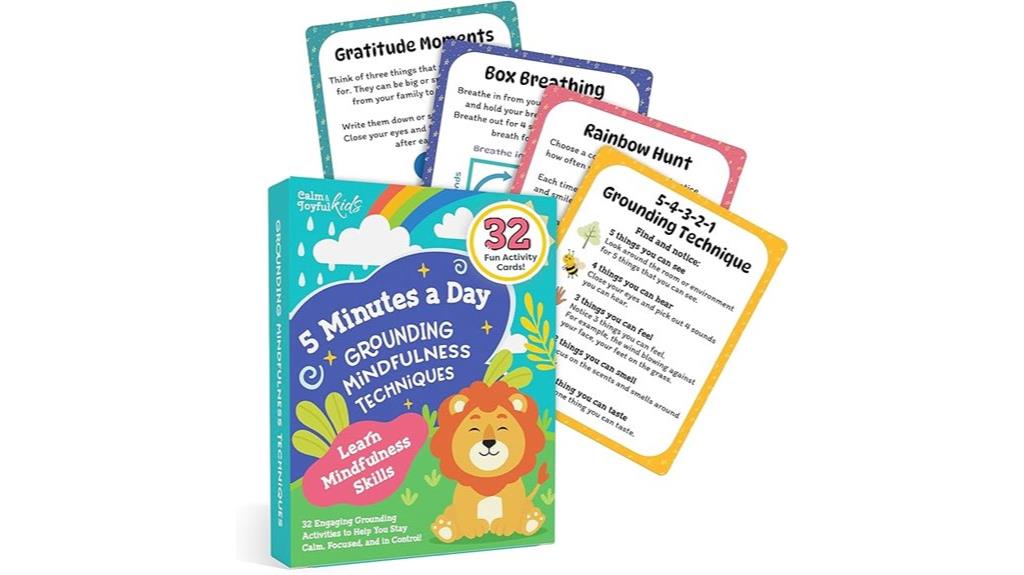
Kids who need help managing their emotions and staying focused will find mindfulness cards to be an invaluable tool. These social-emotional learning resources are designed to boost emotional regulation, self-awareness, and coping skills in children from preschool to middle school, including those with special needs like ADHD and autism. Featuring prompts for breathing, visualization, movement, and social skills, the 32 portable cards are perfect for quick calming moments at home, school, or therapy. Their sensory-friendly design and convenient ring make them easy to use anywhere. Many users report they help children feel grounded, reduce tantrums, and develop essential emotional intelligence.
Best For: educators, therapists, and parents seeking effective social-emotional tools for children with diverse needs from preschool to middle school, including those with ADHD and autism.
Pros:
- Portable and sensory-friendly design with a convenient ring for easy flipping and travel use
- Promotes emotional regulation, mindfulness, and coping skills through simple prompts for breathing, visualization, movement, and social skills
- Suitable for individual or group activities in classrooms, therapy sessions, and at home
Cons:
- Not laminated, which may affect durability over time
- Slightly higher price point compared to some similar resources
- Limited to 32 cards, which may require additional tools for comprehensive social-emotional learning
Imagine Meditation Cards for Kids
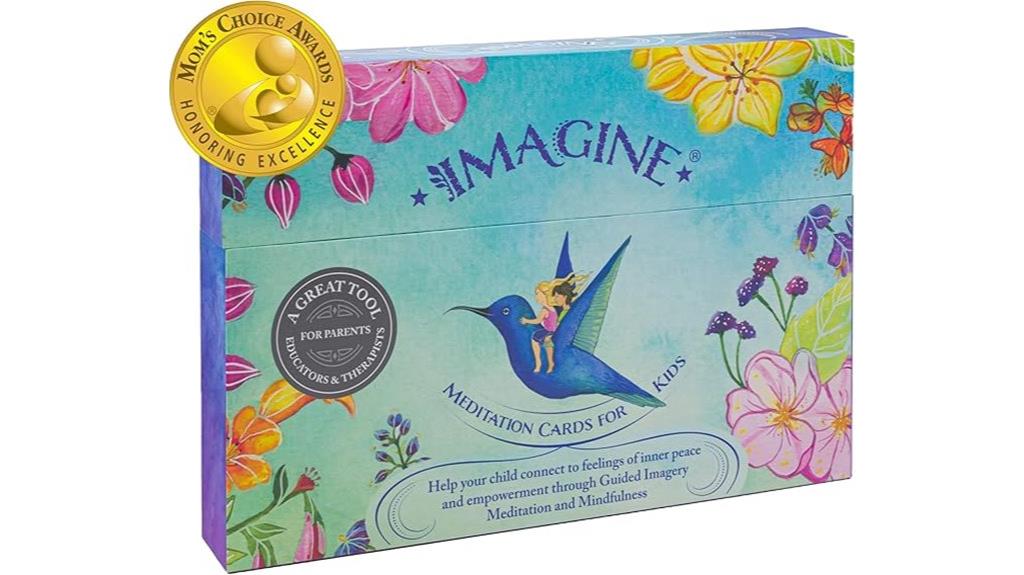
Imagine Meditation Cards for Kids stand out as an ideal choice for parents, teachers, and therapists seeking a versatile, engaging tool to introduce mindfulness practices to children aged 4 to 17. This award-winning kit features large, colorful cards with calming guided meditations, breathing exercises, and customizable DIY options. It promotes focus, relaxation, and emotional regulation, making it perfect for home, school, or therapy sessions. Kids enjoy exploring the vivid illustrations and stories, helping them develop inner peace and resilience. Its portable design guarantees easy use anywhere, making it a practical, effective resource for fostering mindfulness and emotional well-being in children.
Best For: parents, teachers, and therapists seeking a versatile, engaging mindfulness tool to help children aged 4-17 develop emotional regulation, focus, and relaxation skills.
Pros:
- High-quality, durable cards with vibrant illustrations and calming messages.
- Suitable for a wide age range and various settings including home, school, and therapy.
- Promotes emotional well-being through guided meditations, breathing exercises, and customization options.
Cons:
- Some users suggest minor wording adjustments to make instructions more child-friendly.
- The size, while portable, may be less convenient for very young children to handle independently.
- As a physical product, it may require supervision or guidance for effective use with younger children.
Daily Affirmation Cards for Kids, Growth Mindset & Confidence Building
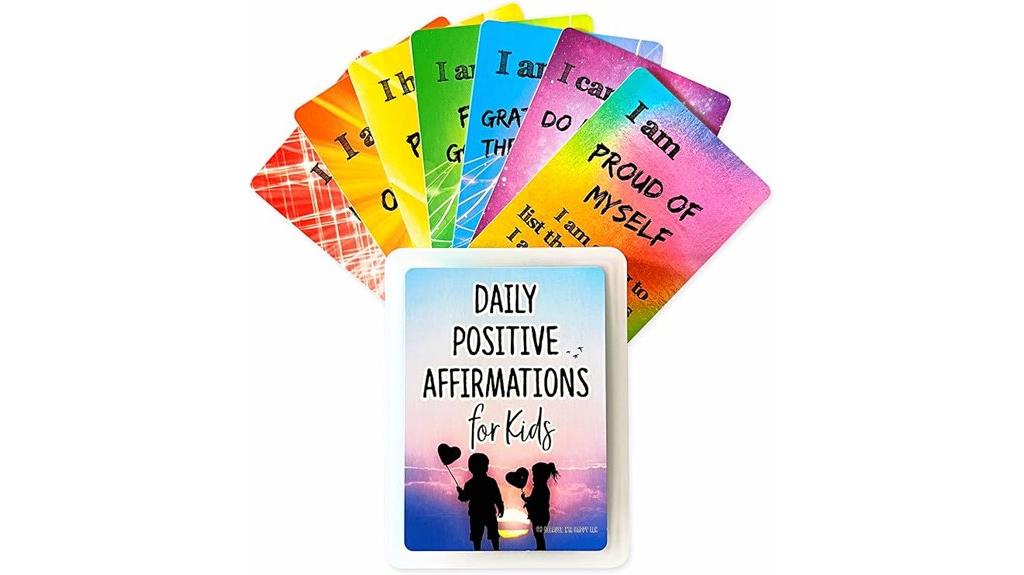
Daily Affirmation Cards for Kids are an excellent choice for parents, teachers, and therapists seeking to boost children’s confidence and foster a growth mindset. These 54 glossy cards come in a durable box, featuring affirmations paired with action challenges that inspire positivity and resilience. Sized for portability, they’re perfect for daily routines, classroom activities, or family bonding. Many users report improved self-esteem, mood, and social skills in children. Teachers and parents alike love how these cards promote positive self-talk, emotional regulation, and confidence-building through simple, engaging exercises. They’re a versatile, effective tool to nurture a child’s mindset and emotional well-being.
Best For: parents, teachers, and therapists looking to cultivate confidence, growth mindset, and emotional resilience in children aged 5-12 through engaging daily affirmations.
Pros:
- Includes 54 glossy, durable cards with positive affirmations and action challenges.
- Portable size and wipe-clean finish make them ideal for on-the-go use and frequent handling.
- Widely praised for effectiveness in boosting self-esteem, mood, and social skills in children.
Cons:
- May require adult guidance to maximize the benefits for younger children.
- Some users might find the set limited if they prefer more personalized or extensive affirmation options.
- The glossy finish, while durable, could cause glare under certain lighting conditions.
Mindfulness Conversation Starter Cards for Kids
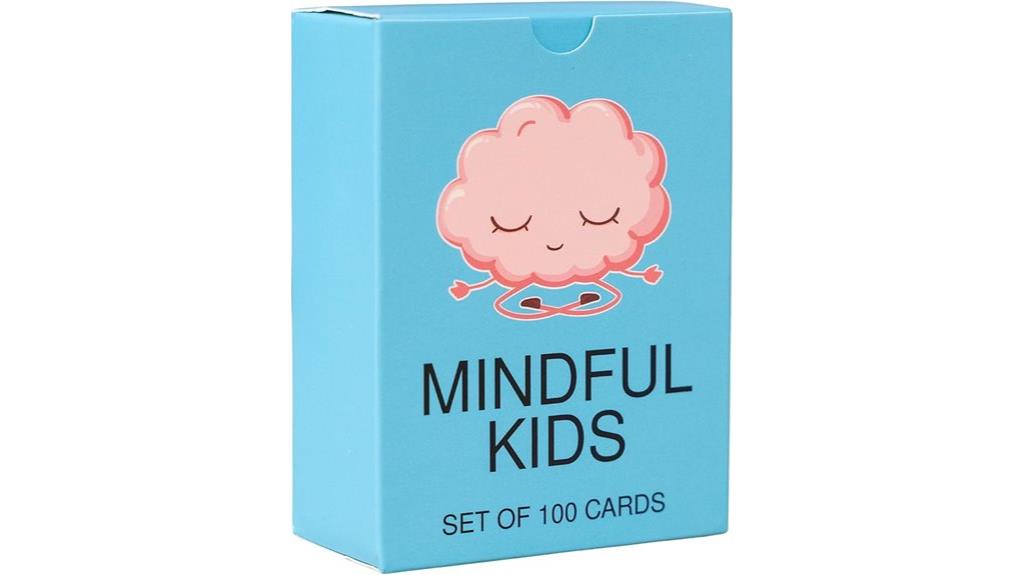
Mindfulness Conversation Starter Cards for Kids are an excellent tool for fostering emotional awareness and meaningful dialogue in various settings. I’ve found these 100 cards—featuring prompts on feelings, gratitude, imagination, and focus—great for encouraging kids to share their thoughts and emotions. They’re divided into seven categories, making discussions targeted and engaging. Whether in a classroom, therapy session, or family dinner, these sturdy, portable cards spark honest conversations, even with shy or reluctant kids. They promote self-awareness, resilience, and emotional intelligence, all while making mindfulness fun and accessible. Overall, they’re a simple yet powerful way to support kids’ social-emotional growth.
Best For: parents, teachers, and child therapists seeking an engaging way to promote emotional awareness and mindfulness in children aged 8 and above.
Pros:
- Encourages meaningful conversations on feelings, gratitude, and focus, supporting emotional intelligence.
- Portable, durable design makes it easy to use in various settings like home, school, and therapy sessions.
- Suitable for shy or reluctant talkers, helping them express themselves comfortably.
Cons:
- Some users report occasional repetitive prompts, which may reduce variety over time.
- Minor spelling errors and quality concerns have been noted by a few customers.
- The box may arrive slightly damaged, though this does not affect the cards’ usability.
Open The Joy Jumbo Calming Cards for Kids, Mindfulness and Stress Relief Tools

Open The Joy Jumbo Calming Cards are an excellent choice for parents, teachers, and therapists seeking a simple, engaging way to help children manage their emotions. These oversized, durable cards feature colorful illustrations and easy-to-follow cues like breathing exercises, yoga poses, and movement activities that promote self-regulation and relaxation. Designed for kids aged 2 and up, they’re perfect for use at home, in classrooms, or during therapy sessions. With 20 portable cards stored in a sturdy box, they serve as effective tools for calming down, shifting between activities, or building emotional awareness. I love how approachable and fun they make learning mindfulness skills.
Best For: parents, teachers, and therapists looking for a simple, engaging tool to help children develop emotional regulation and stress management skills.
Pros:
- Colorful, oversized cards are easy for young children to handle and visually engaging.
- Contains clear, simple illustrations of calming techniques suitable for kids aged 2 and up.
- Portable set with 20 cards in a sturdy box makes it convenient for various settings and quick access.
Cons:
- May require adult guidance to maximize effectiveness for very young children.
- Limited to 20 cards, which might not cover all specific emotional or sensory needs.
- Some children might need additional support beyond the cards to fully develop self-regulation skills.
Mindfulness and Meditation Activity Cards for Kids and Teens
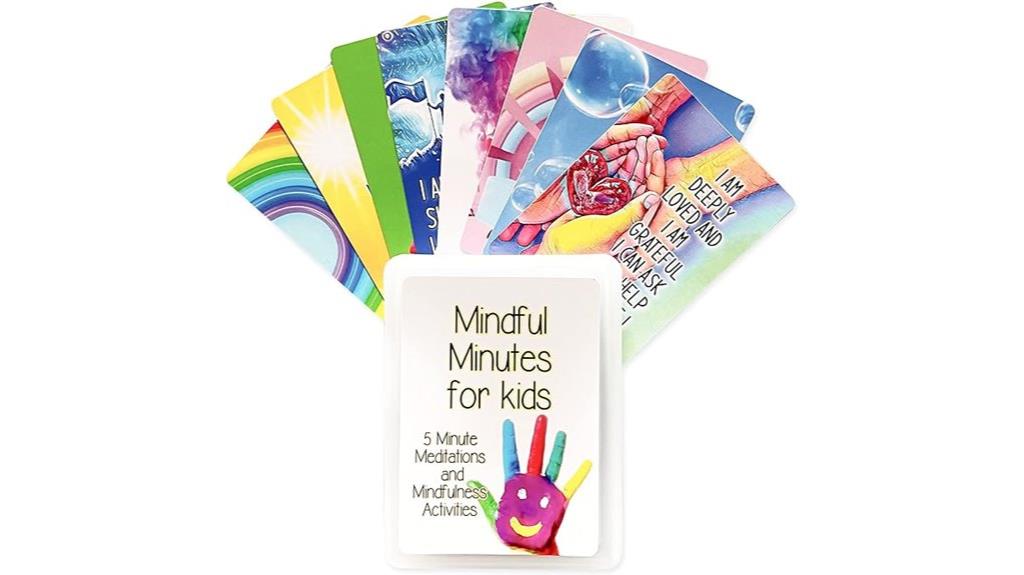
If you’re looking for an easy and engaging way to introduce mindfulness and meditation to kids and teens, these activity cards are an excellent choice. With 54 affirmation cards featuring positive statements, eye-catching visuals, and quick activities, they make mindfulness accessible for all ages. Designed for children, teens, families, teachers, and therapists, each card encourages daily practice in under five minutes. Their versatility allows for mood boosts, calming routines, or energizing breaks. Made from high-quality, eco-friendly cardstock and housed in a durable box, these cards are portable, easy to clean, and perfect for fostering emotional resilience, focus, and well-being in any setting.
Best For: parents, teachers, therapists, and caregivers seeking an easy, engaging way to promote mindfulness, emotional regulation, and positivity in children and teens.
Pros:
- Encourages daily mindfulness and positive affirmations in under five minutes
- Portable, durable, and visually appealing design suitable for various settings
- Versatile use as conversation starters, journal prompts, or calming tools
Cons:
- Some activities may be better suited for daytime use rather than bedtime routines
- Font size could be larger for easier readability by younger children
- Limited to 54 cards, which may require supplementing with additional activities for advanced users
The School of Mindfulness: Mindfulness Game for Kids
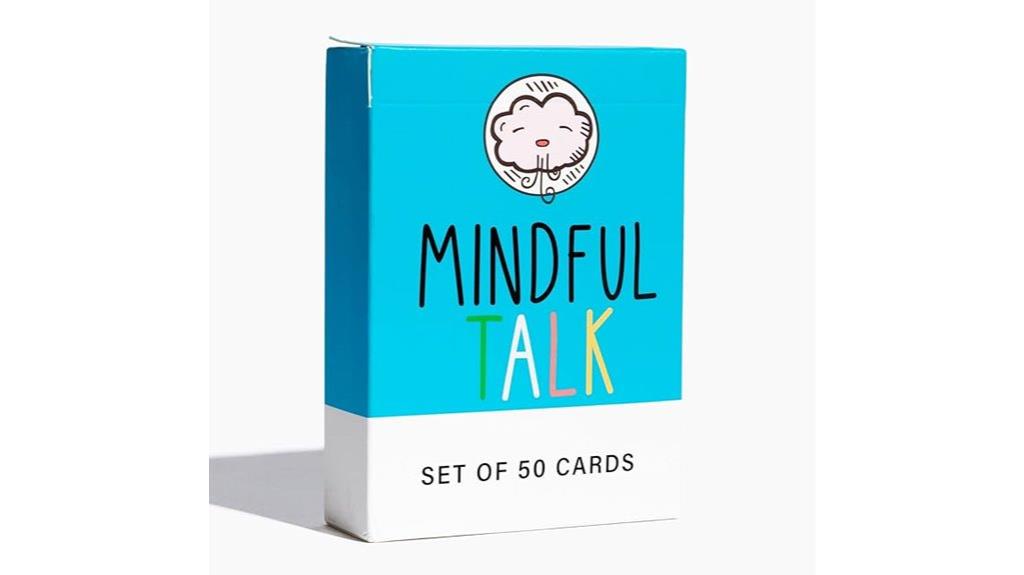
The School of Mindfulness: Mindfulness Game for Kids is an excellent choice for families, therapists, or educators looking to foster meaningful conversations and emotional understanding in children aged 8 and above. This game includes 50 question cards divided into categories like Mindfulness, Emotion, Inquiry, and Expression, encouraging self-reflection and connection. It’s easy to learn and versatile, making it perfect for family bonding, therapy sessions, or casual play. With engaging questions, it helps kids articulate feelings and deepen emotional insight while promoting calmness and focus. Its portability and positive feedback make it a practical tool for nurturing mindfulness and emotional literacy in any setting.
Best For: families, therapists, or educators seeking to promote emotional literacy and meaningful conversations with children aged 8 and up.
Pros:
- Encourages open dialogue and self-reflection through engaging questions.
- Versatile and easy to learn, suitable for various settings like family, therapy, or casual play.
- Portable design and positive reviews highlight its convenience and effectiveness in fostering mindfulness.
Cons:
- Limited to children aged 8+, may not engage younger kids effectively.
- Some users may find the number of cards or categories restrictive for extended use.
- As a card-based game, it requires physical possession and may be less suitable for digital-only environments.
Breathing Cards for Kids – Mindfulness & Calming Activities
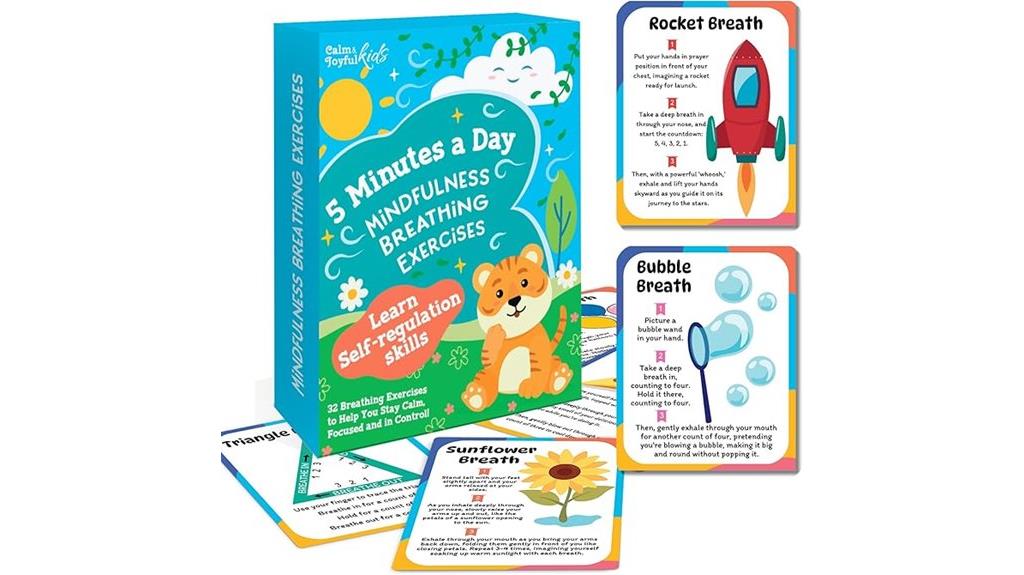
Breathing Cards for Kids are an excellent choice for parents, teachers, and therapists seeking simple, engaging tools to help children manage stress and emotions. These laminated, colorful cards feature clear instructions and fun themes like animals and nature, making mindfulness accessible for kids aged 3 and up. Compact and travel-friendly, they can be easily incorporated into classrooms, therapy sessions, or at home. Designed with large text and easy-to-follow steps, the cards teach children healthy breathing exercises that promote self-regulation, reduce anxiety, and improve focus. Their durability and versatility make them a valuable resource for calming children during overwhelming moments.
Best For: parents, teachers, and therapists seeking an engaging, effective tool to help children manage stress, emotions, and improve focus through simple mindfulness activities.
Pros:
- Durable, laminated cards with vibrant visuals and clear instructions suitable for children aged 3 and up
- Compact, travel-friendly design with a ring for easy organization, ideal for use at home, school, or therapy sessions
- Supports emotional regulation, reduces anxiety, and enhances self-control in children, especially those with autism, ADHD, or sensory sensitivities
Cons:
- May require adult guidance initially to ensure children understand and correctly follow the breathing exercises
- Not a substitute for professional therapy or comprehensive emotional support programs
- Limited to breathing and mindfulness activities, so additional tools may be needed for broader emotional or sensory needs
Open The Joy Mindful Minute Cards for Kids
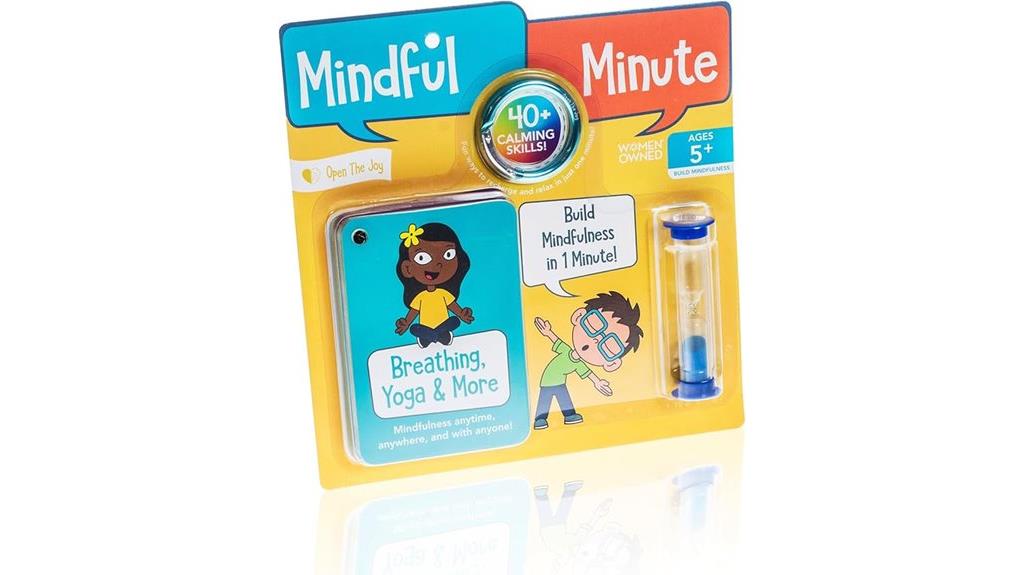
Open The Joy Mindful Minute Cards for Kids is an excellent choice for parents, teachers, and caregivers seeking a portable, engaging tool to help children manage stress and build emotional resilience. This set includes over 40 durable cards, a 60-second sand timer, and a clip-and-go ring, making it easy to carry anywhere. Designed for kids ages 5 and up, the cards feature simple, effective exercises crafted by child life experts. They promote emotional regulation, focus, and mindfulness through fun activities that can be used at home, school, or on the go. Many users find these cards foster meaningful conversations and help children develop healthy coping skills.
Best For: parents, teachers, and caregivers seeking a portable, engaging tool to help children aged 5 and up manage stress, build resilience, and develop emotional regulation skills.
Pros:
- Includes over 40 durable, child-friendly cards with simple mindfulness exercises
- Compact and lightweight design, easy to carry in backpacks or purses
- Created by child life experts, promoting effective emotional regulation and mindfulness techniques
Cons:
- Some users report minor quality control issues such as missing emotions or spelling errors
- Design flaws like a broken carabiner may affect portability or durability
- Limited to basic mindfulness activities, which may require additional supports for some children
Imagine Meditation Kit for Kids

Designed for children aged 4 and up, the Imagine Meditation Kit for Kids stands out as an engaging tool for parents, teachers, and therapists seeking to introduce mindfulness in a fun and accessible way. This award-winning set features 24 vibrant, durable cards with guided imagery, affirmations, and calming exercises. It helps kids develop focus, emotional regulation, and relaxation skills through visual prompts and easy-to-follow scripts. Whether used at home, in classrooms, or therapy sessions, the kit encourages children to connect with their feelings and build resilience. Its appealing design and versatile content make mindfulness approachable and enjoyable, fostering a sense of calm and emotional well-being.
Best For: parents, teachers, and therapists seeking a fun, effective way to introduce mindfulness and emotional regulation skills to children aged 4 and up.
Pros:
- Engaging and visually appealing cards that capture children’s attention.
- Durable, high-quality materials suitable for everyday use and transport.
- Versatile tool that can be incorporated into home, school, or therapy routines.
Cons:
- May require adult guidance initially to help children understand meditation concepts.
- Some users might find the set’s content overwhelming for very young or sensory-sensitive children.
- Price could be a consideration for those seeking a more budget-friendly option.
Mindfulness & Affirmation Cards for Kids

If you’re looking for a versatile tool to support your child’s emotional growth, mindfulness & affirmation cards for kids are an excellent choice. These 38 XL cards feature rhyming stories, meditation, positive affirmations, and engaging activities that promote emotional well-being and reduce anxiety. They include practices like breathwork, visualization, grounding, and movement, making them suitable for daytime, bedtime, or relaxation routines. With themes of gratitude, empowerment, and compassion, these cards foster resilience and positive thinking. Durable and large, they’re perfect for classrooms, therapy, or home use, helping children develop mindfulness and inner peace through playful reflection and growth.
Best For: parents, teachers, therapists, and caregivers seeking a versatile and engaging tool to support children’s emotional well-being, mindfulness, and positive growth.
Pros:
- Includes 38 large, durable cards with engaging rhyming stories and activities suitable for various settings.
- Promotes emotional resilience, positive thinking, and mindfulness through diverse practices like meditation and movement.
- Ideal for use in classrooms, therapy sessions, homeschooling, and family routines, fostering connection and inner peace.
Cons:
- May require guidance initially to fully utilize all activities and practices effectively.
- Some children might need assistance in understanding or engaging with certain mindfulness exercises.
- The set is designed for children and may not be suitable for older age groups without adaptation.
Yoga Cards for Kids
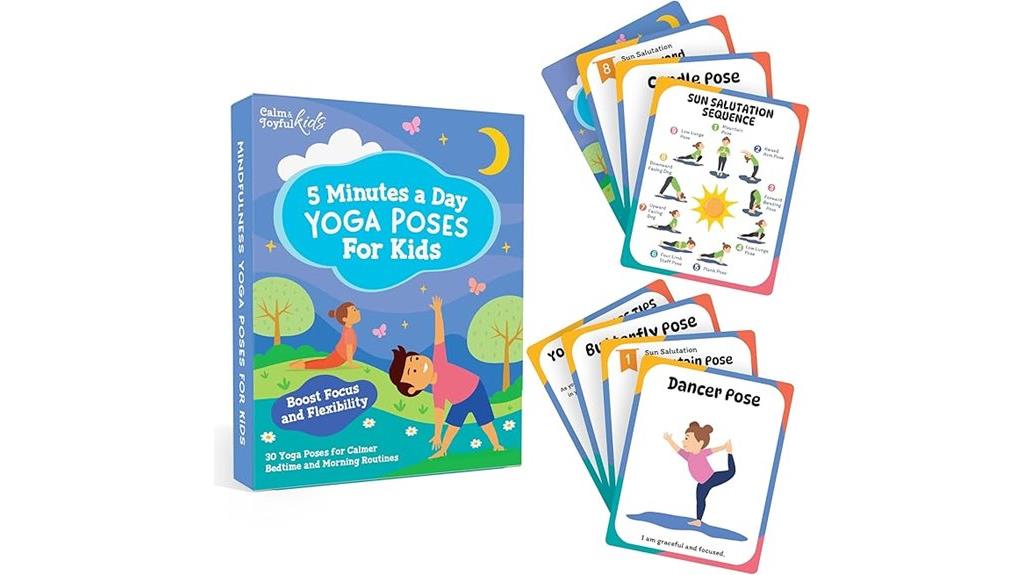
Yoga Cards for Kids are an excellent choice for teachers, parents, and therapists seeking a simple, engaging way to help children manage emotions and improve focus. These cards feature 32 illustrated poses with step-by-step instructions, making it easy for kids of all ages to follow along. They support mindfulness, calming strategies, sensory play, and self-regulation, helping children reset during shifts or routines. Portable and travel-friendly, the cards fit into therapy sessions, classrooms, or calming corners. They’re especially beneficial for children with autism, ADHD, or sensory sensitivities, fostering relaxation, focus, and emotional balance through movement and mindful practice.
Best For: Teachers, parents, and therapists working with children who need support with emotional regulation, focus, and sensory integration.
Pros:
- Engages children with colorful, illustrated poses and step-by-step guidance for easy practice.
- Portable and durable design makes it suitable for use at home, school, or on the go.
- Supports a variety of needs, including children with autism, ADHD, and sensory sensitivities, promoting relaxation and mindfulness.
Cons:
- May require adult supervision or guidance for younger children to ensure correct pose execution.
- Limited to 32 poses, which might need supplementation for diverse routines or advanced practice.
- Some children might find the visual instructions less engaging compared to digital or interactive options.
Factors to Consider When Choosing Mindfulness Activity Cards for Kids
When selecting mindfulness activity cards for kids, I consider factors like age appropriateness, visual appeal, and how durable the materials are. I also look at the variety of activities offered and how easy they are for kids to use independently. These points help guarantee I choose cards that are engaging, practical, and suitable for my child’s needs.
Age Appropriateness
Choosing the right mindfulness activity cards for kids depends heavily on their age, aligning the activities with their developmental stage. It’s crucial to check that the cards specify the appropriate age range on the packaging or description. For younger children (ages 3-5), I recommend cards with simple instructions, big visuals, and themes like animals or nature to keep them engaged. For older kids and preteens (ages 8-12), look for cards with more complex activities, reflective prompts, and age-appropriate vocabulary that challenge their cognitive skills. Also, make certain the content addresses common emotional or social issues relevant to their age. Safety, non-frustrating activities, and positive engagement are key factors that help make mindfulness practice both effective and enjoyable for any age group.
Visual Appeal
Bright, colorful visuals are essential when selecting mindfulness activity cards for kids because they make the exercises more inviting and engaging. Vibrant images grab children’s attention and encourage participation, making mindfulness practices feel fun rather than like a chore. Clear, simple illustrations help kids grasp instructions quickly, reducing confusion and frustration. Choosing cards with diverse imagery ensures the activities appeal to different age groups and interests, fostering a sense of inclusion. Attractive design elements, such as friendly characters or calming scenes, motivate children to use the cards regularly. Well-designed visuals also help deepen emotional connections, making mindfulness exercises more meaningful. Overall, visually appealing cards boost engagement, comprehension, and consistency — all key to cultivating calm and focus in young minds.
Material Durability
Durability is a crucial factor to consider when selecting mindfulness activity cards for kids, as these cards need to withstand frequent handling and active use. I look for cards made from thick, laminated cardstock because they resist bending, tearing, and fading. Laminated or waterproof materials not only extend the cards’ lifespan but also make cleaning easy, which is essential for maintaining their appearance over time. Sturdy materials are especially important for active children who may handle the cards roughly. Some cards have reinforced edges or protective coatings, adding extra resistance against damage during travel or storage. Choosing durable cards ensures they can endure repeated use across different settings without losing their functionality or appeal, making them a worthwhile investment for fostering calm and focus in kids.
Activity Variety
Having a variety of activities on mindfulness cards keeps kids engaged and enthusiastic to practice. A diverse selection, including breathing exercises, guided imagery, movement, and affirmations, helps children find options that match their mood and learning style. This variety prevents boredom and encourages consistent practice, which is key to developing lasting mindfulness skills. Including both active and calming activities ensures that children with different energy levels, like those with ADHD or sensory sensitivities, find suitable options. Additionally, a well-rounded set can be used in multiple environments—classroom, therapy, or home—making the cards more versatile. Offering a broad range of activities supports kids in building an all-encompassing toolkit for emotional resilience, self-regulation, and coping skills over time.
Ease of Use
When choosing mindfulness activity cards for kids, ease of use becomes a top priority to guarantee the activities are accessible and engaging. I look for cards with clear, simple instructions and visuals that children can easily understand and follow on their own. Durability matters too—laminated or thick cardstock helps the cards withstand frequent handling. Organizing cards into categories or themes makes it easier for kids to find activities suited to their needs, saving time and reducing frustration. The size and format should fit small hands comfortably, making activities smoother during sessions. Additionally, including prompts or guidance for caregivers or educators helps facilitate activities without confusion, ensuring the experience remains calming and effective for everyone involved.
Therapeutic Compatibility
To guarantee mindfulness activity cards truly support a child’s therapeutic journey, it’s important to choose those that align with their specific goals and treatment plans. I recommend checking if the cards incorporate evidence-based techniques like breathing exercises or guided imagery, which can enhance clinical interventions. It’s also essential to ensure the content matches the child’s age, developmental level, and emotional needs, avoiding activities that may be overwhelming or inappropriate. Consider whether the cards cater to diverse sensory and learning preferences, such as visual, auditory, or kinesthetic styles, to maximize engagement. Most importantly, verify that the cards are sensitive to the child’s mental health condition, steering clear of triggers or activities that could be contraindicated, ensuring they support rather than hinder progress.
Frequently Asked Questions
How Can Mindfulness Cards Be Adapted for Different Age Groups?
I adapt mindfulness cards for different ages by adjusting the complexity of the activities and language. For younger kids, I use simple, visual prompts and short exercises to keep their attention. For older children, I include more detailed reflections and breathing techniques. I also consider their interests to make activities engaging. This approach helps each age group connect meaningfully with mindfulness practices, fostering calm and focus effectively.
Are There Any Recommended Routines for Using Mindfulness Activity Cards Daily?
I recommend starting with a simple, consistent routine—perhaps a morning mindfulness moment or bedtime breathing. Begin by choosing a card, then dedicate a few focused minutes to the activity, encouraging kids to breathe deeply and be present. Make it meaningful, maintain a routine, and watch calmness and concentration grow. Consistency cultivates comfort, creating a calming, constructive daily ritual that nurtures mindfulness and nurtures your child’s focus.
How Do Mindfulness Cards Support Children With Special Needs?
Mindfulness activity cards support children with special needs by providing structured, visual tools that promote calmness and focus. I’ve seen how they help kids understand and manage their emotions, improve attention, and develop self-regulation skills. These cards are adaptable, making them perfect for different needs, and they encourage independence while offering a comforting routine. Using them consistently can really boost a child’s confidence and emotional resilience.
Can Mindfulness Cards Be Integrated Into Classroom Activities Effectively?
Absolutely, mindfulness cards can be seamlessly integrated into classroom activities. I find that starting or ending the day with a quick card helps kids settle down and focus. I encourage sharing reflections or doing short breathing exercises based on the cards. This makes mindfulness approachable and fun, fostering a calm environment where students can develop focus and emotional regulation naturally within their daily routines.
What Are the Signs of Children Benefiting From Mindfulness Card Practices?
When children benefit from mindfulness card practices, I see them start to breathe more slowly, like a calm lake settling after a storm. They become more focused during activities, show patience, and manage their emotions better. I once watched a child who struggled with frustration suddenly pause and take a deep breath, demonstrating increased self-awareness. These signs tell me mindfulness is helping them develop calmness, focus, and emotional resilience.
Conclusion
Imagine your child gently holding a card, their eyes lighting up as they breathe in calm and focus. These mindfulness activity cards are like tiny anchors, guiding them through peaceful moments amidst chaos. As they explore each activity, watch their confidence blossom like a blooming flower. With these tools, you’re planting seeds of calm and resilience, helping your kid navigate life’s waves with a steady heart and a clear mind.